Hibiscus
Hibiscus spp.
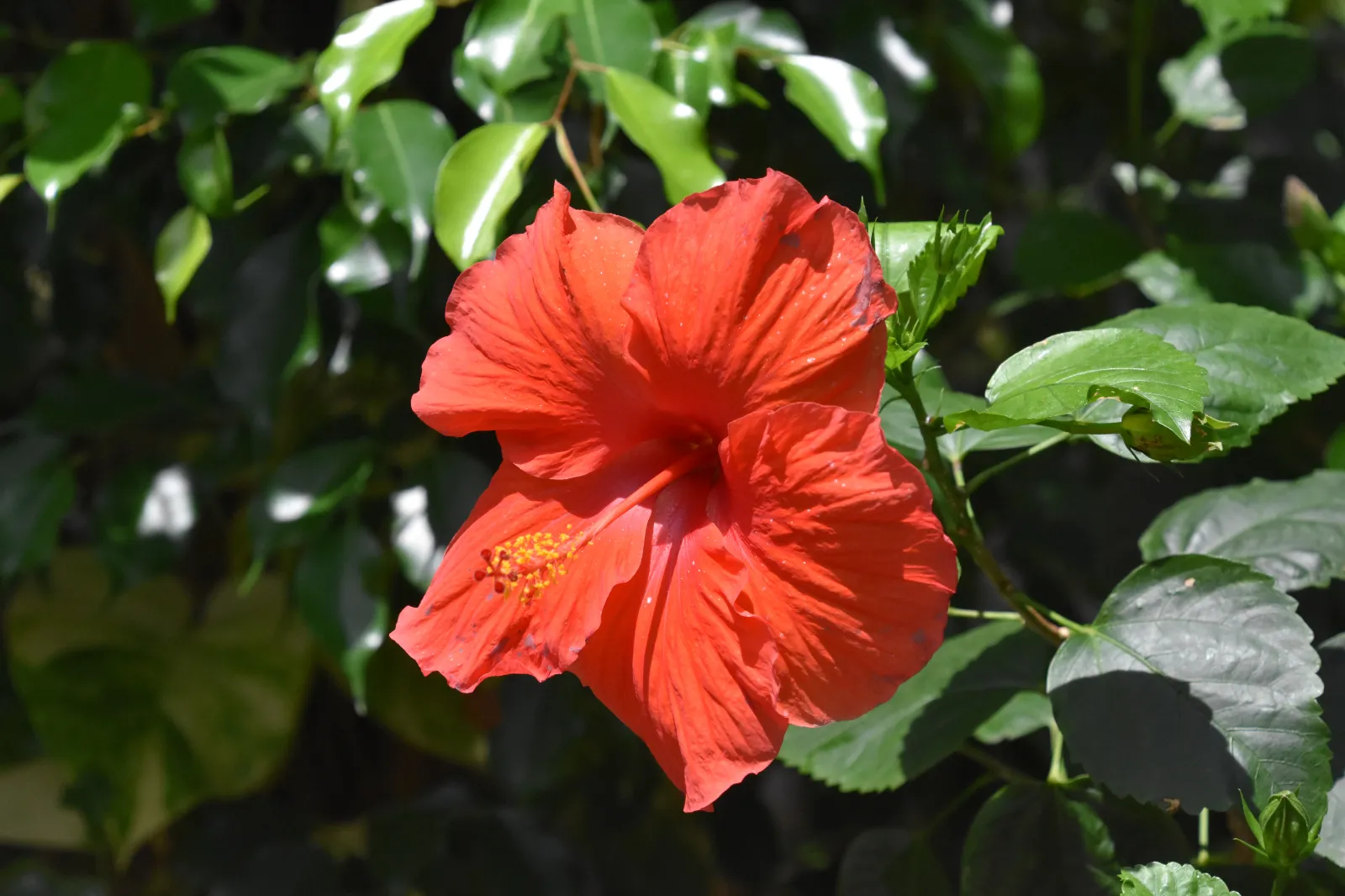
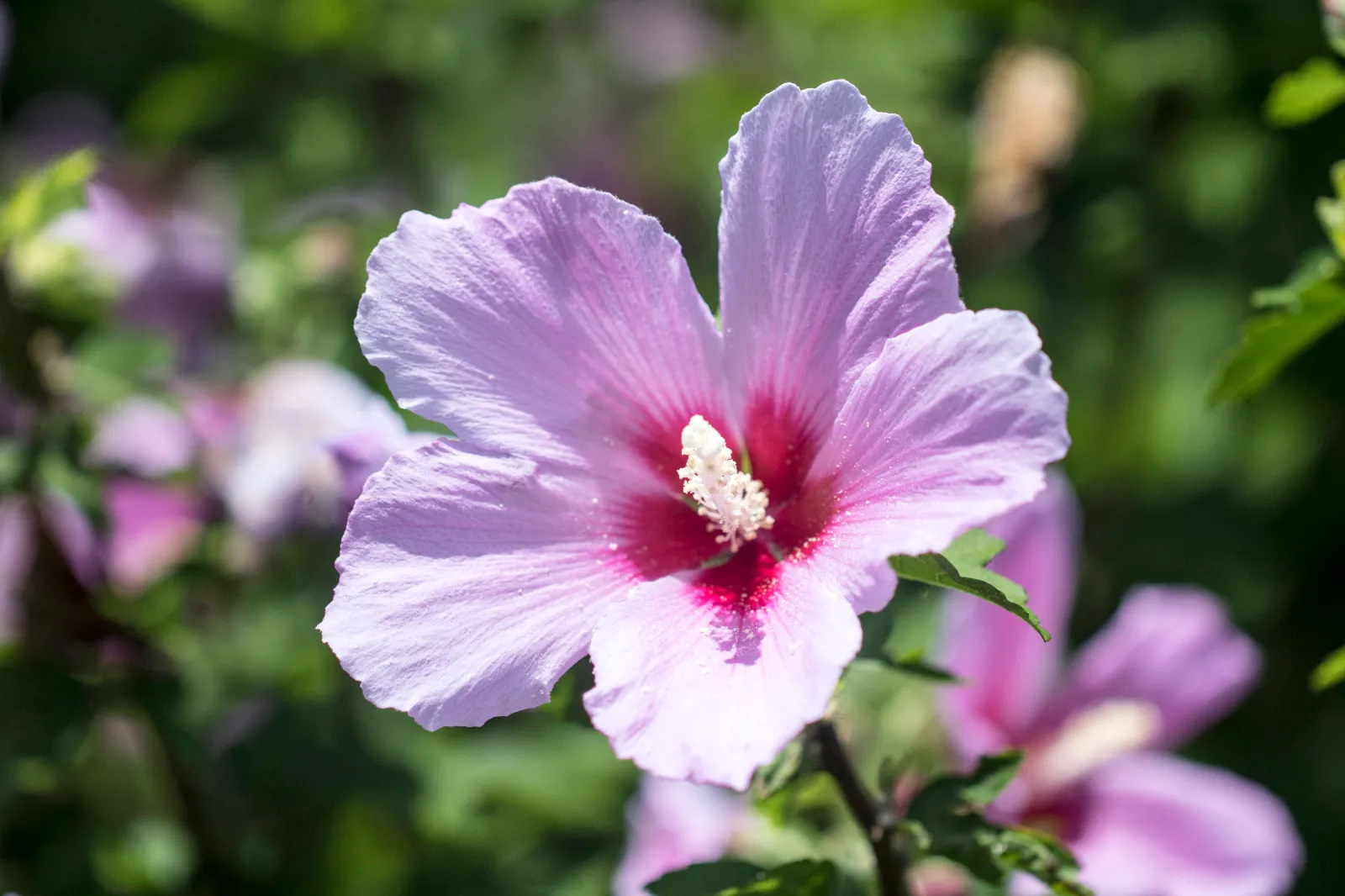
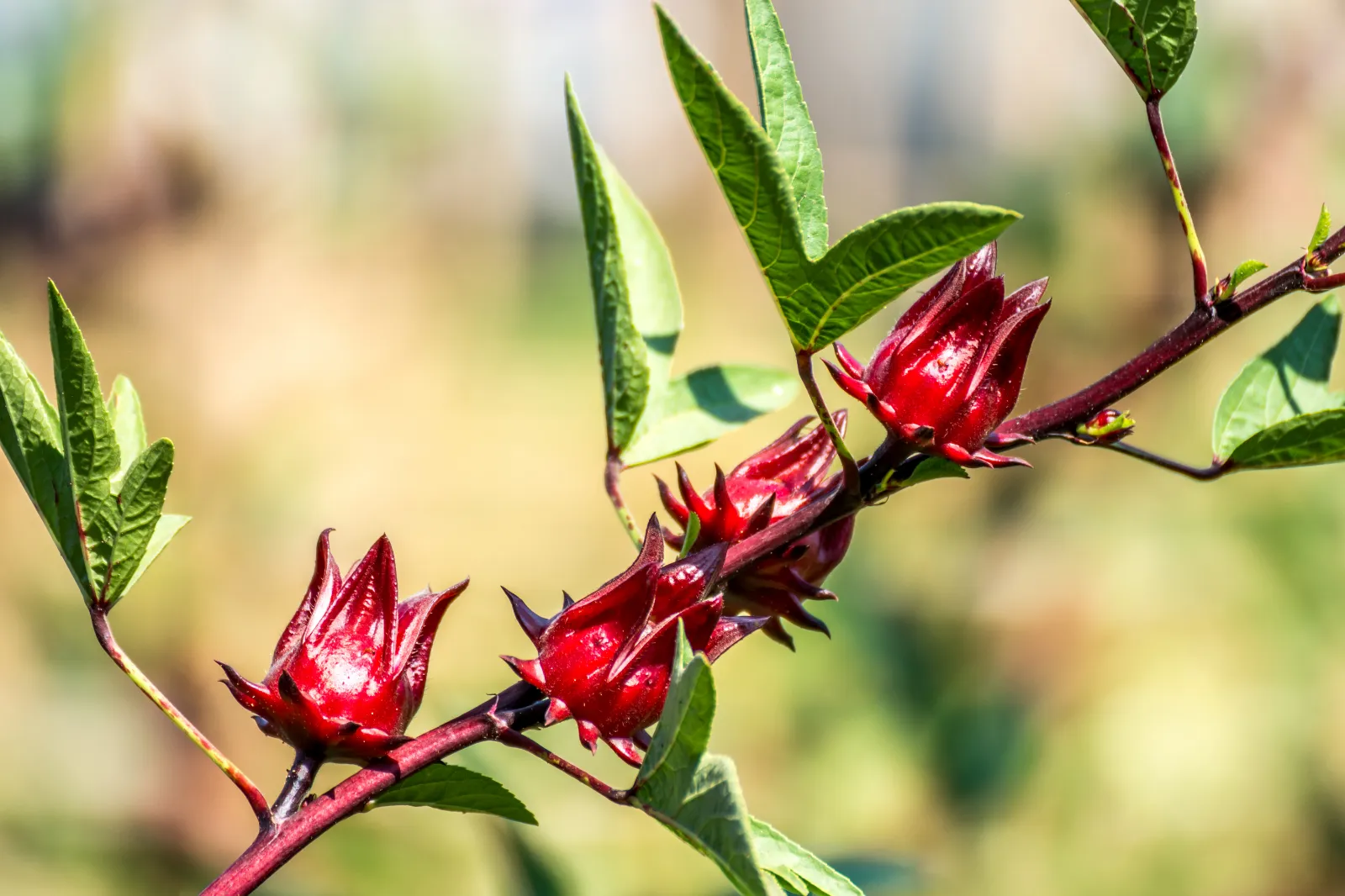
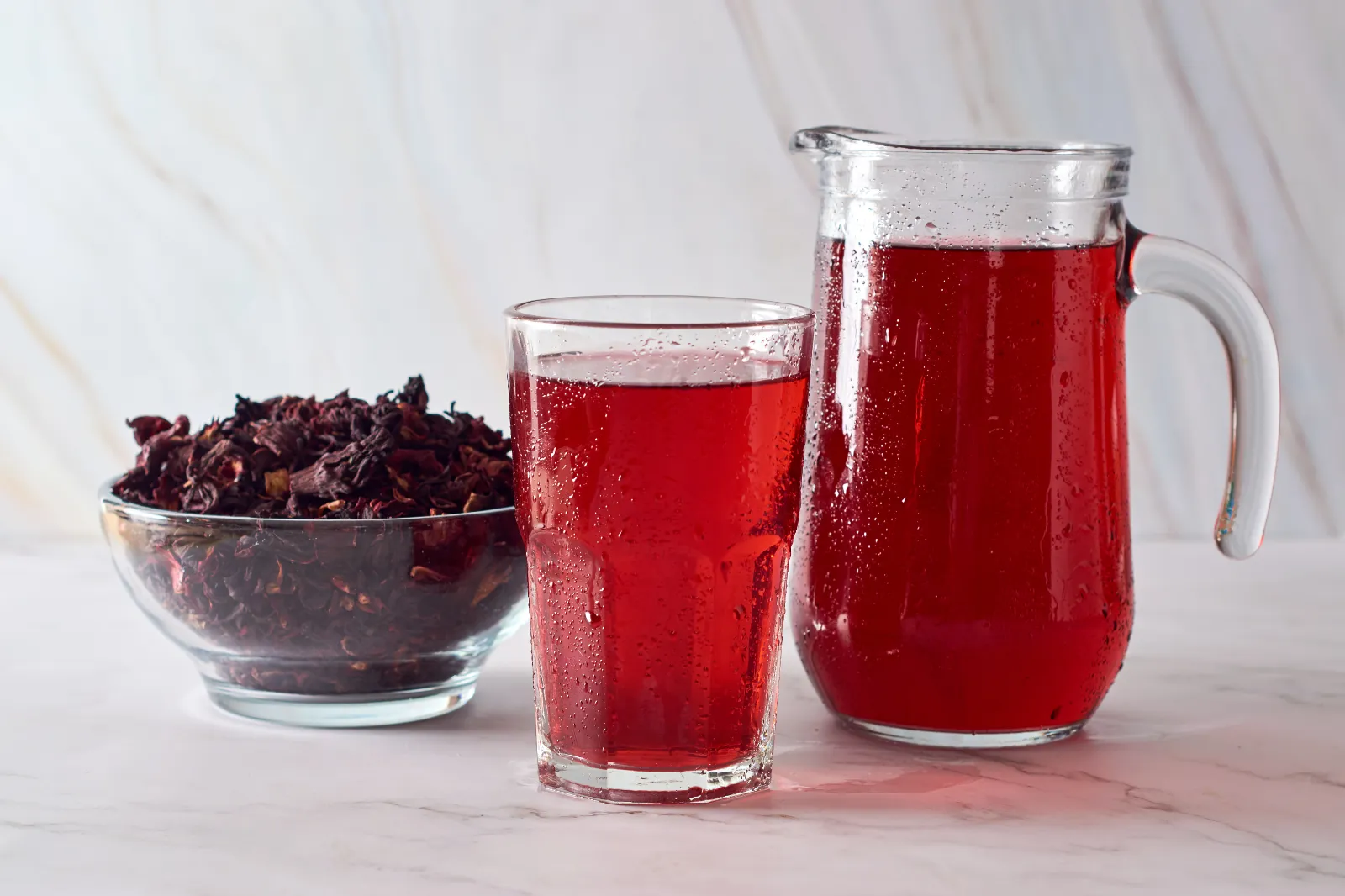
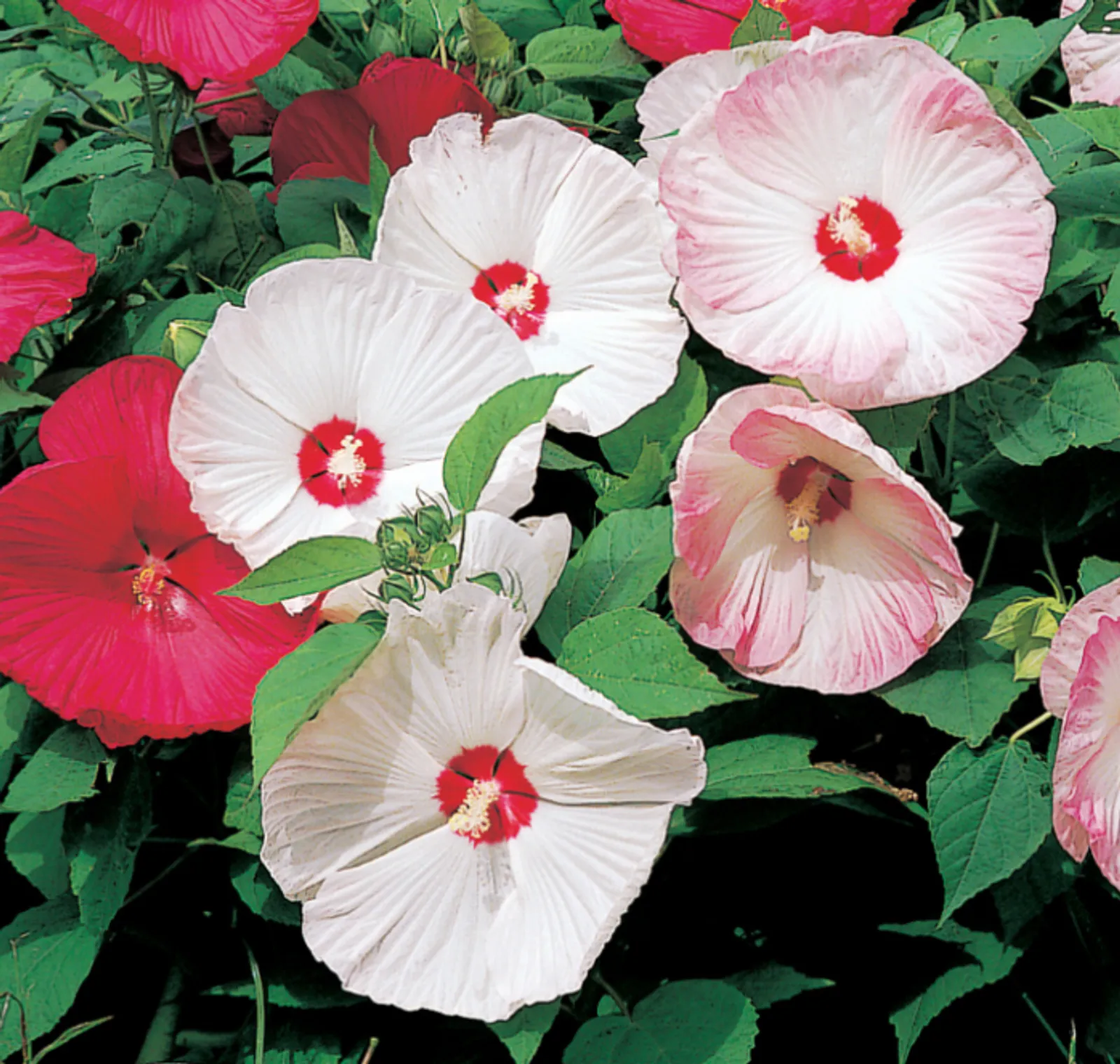
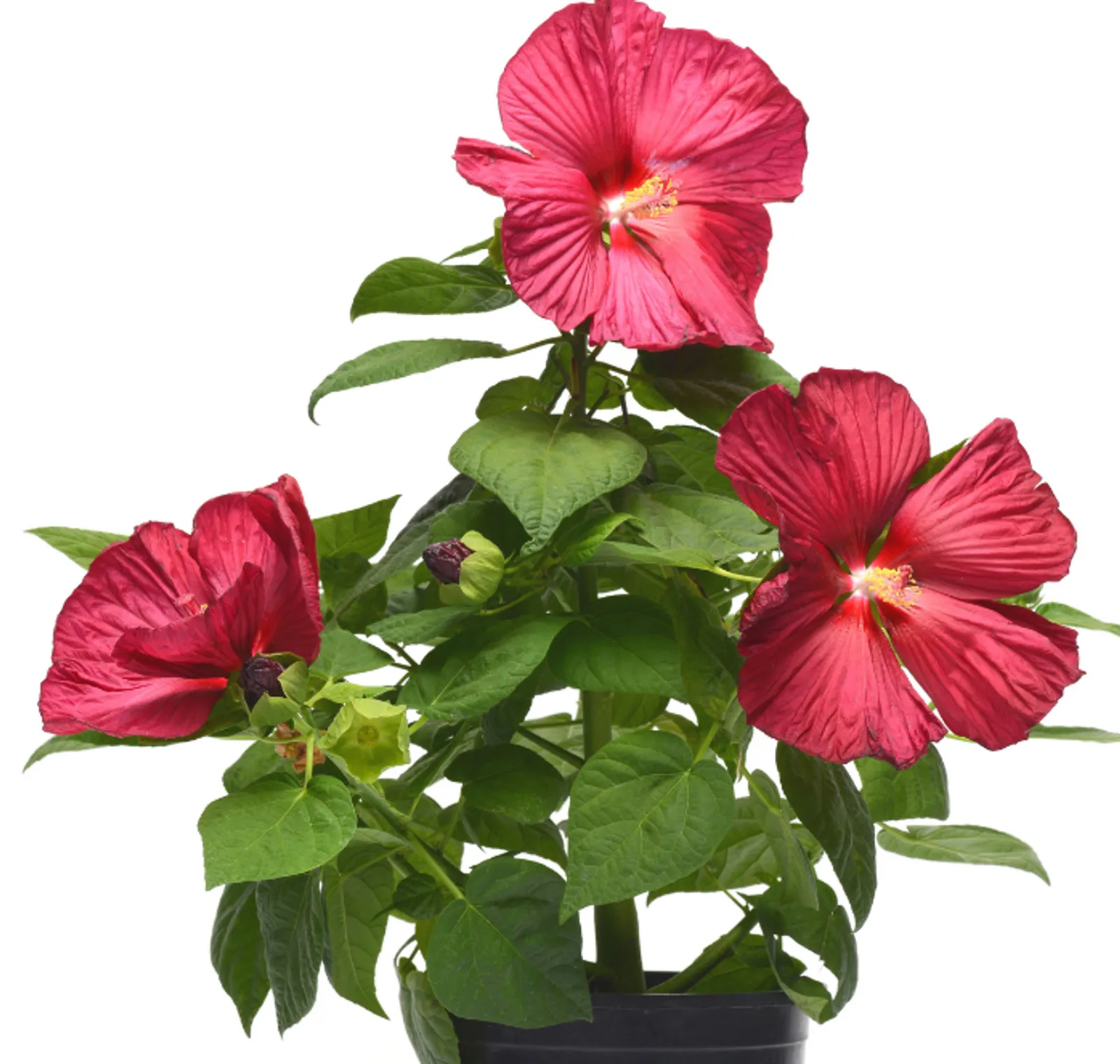
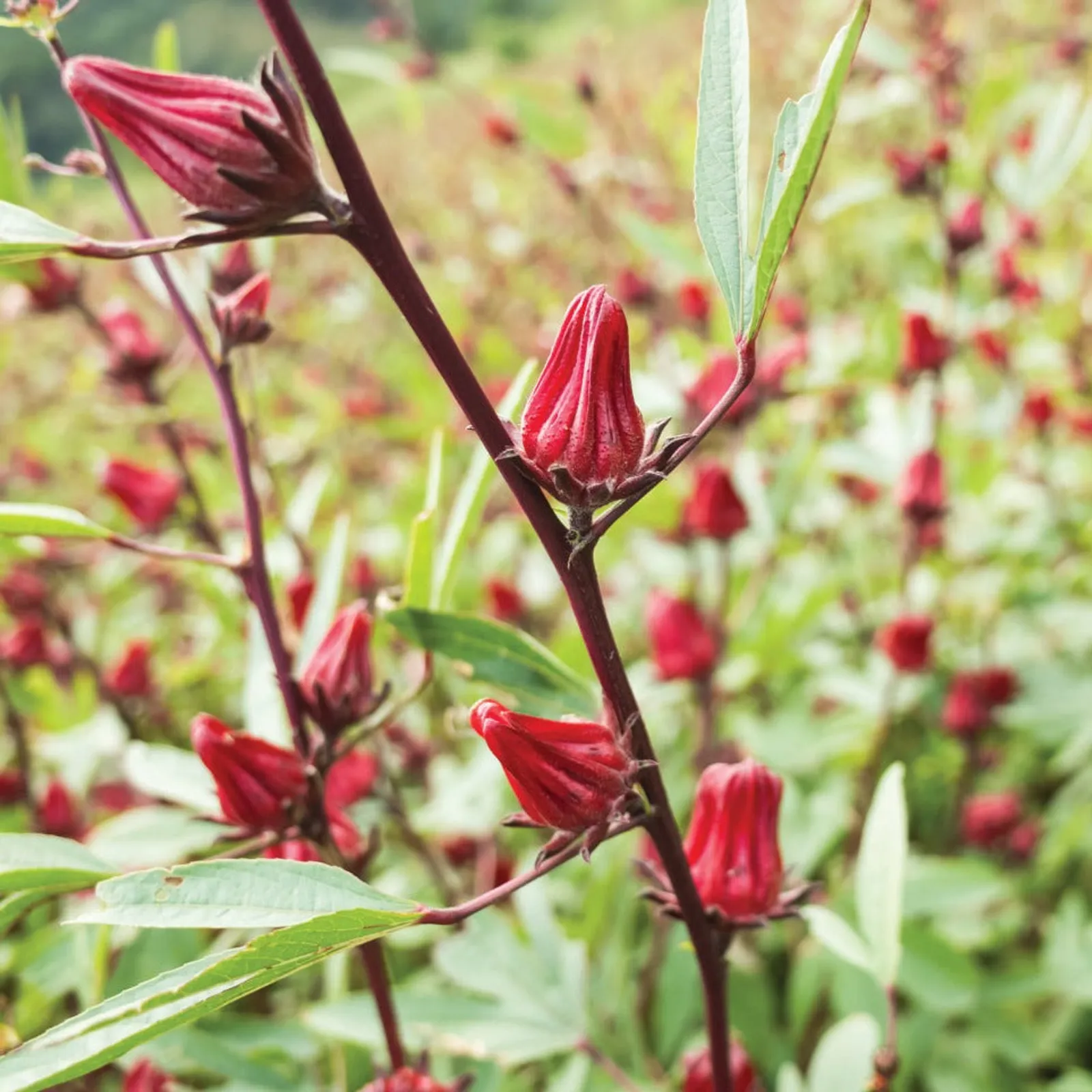
Hibiscus is a genus in the mallow family that comprises several hundred different species. Hibiscus are known for their striking, vibrantly-colored flowers with unique central tubes. The most common type of ornamental hibiscus found in garden centers and nurseries is Hibiscus rosa-sinensis. Hibiscus rosa-sinensis is a tropical plant that can be grown as a perennial in USDA hardiness zones 9-11. In colder climates it can be grown as a container plant and overwintered indoors. Many people are also familiar with hibiscus tea or the beverage "jamaica"- these are made with the calyces (flower bud covers) of Hibiscus sabdariffa (aka. roselle). The leaves and seeds are also edible, and the stems can be turned into 'rosella hemp' for crafting. Roselle is a perennial in zones 8-11 but can be grown as an annual and grows quickly enough to produce a harvest even in cooler regions. Another popular hibiscus species is Hibiscus syriacus, commonly known as rose of Sharon, shrub rose, or Korean rose. Rose of Sharon is a cold-hardy hibiscus that grows well in zones 5-9; in fact it grows so well it is considered invasive in some areas. There are also several 'native' hibiscus species found throughout North America, such as hardy hibiscus (Hibiscus moscheutos), Texas star (Hibiscus coccineus), halberd-leaved hibiscus (Hibiscus laevis), and swamp rose mallow (Hibiscus grandiflorus).
How to Grow Hibiscus
Quick Info


Put away the pen and paper
Plan your veggie garden in minutes with Planter's easy drag and drop planner.
Try Planter for Free
Varieties
Nutrition
Vitamins


Nutrients






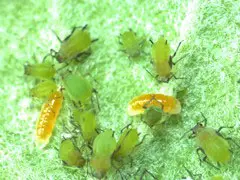
Pests
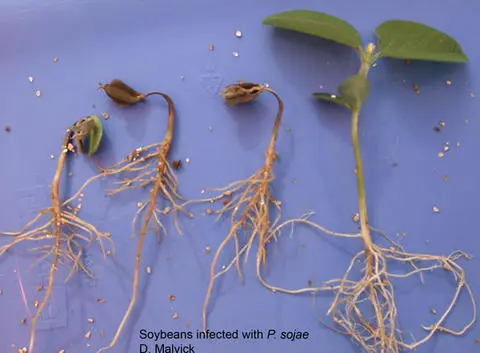
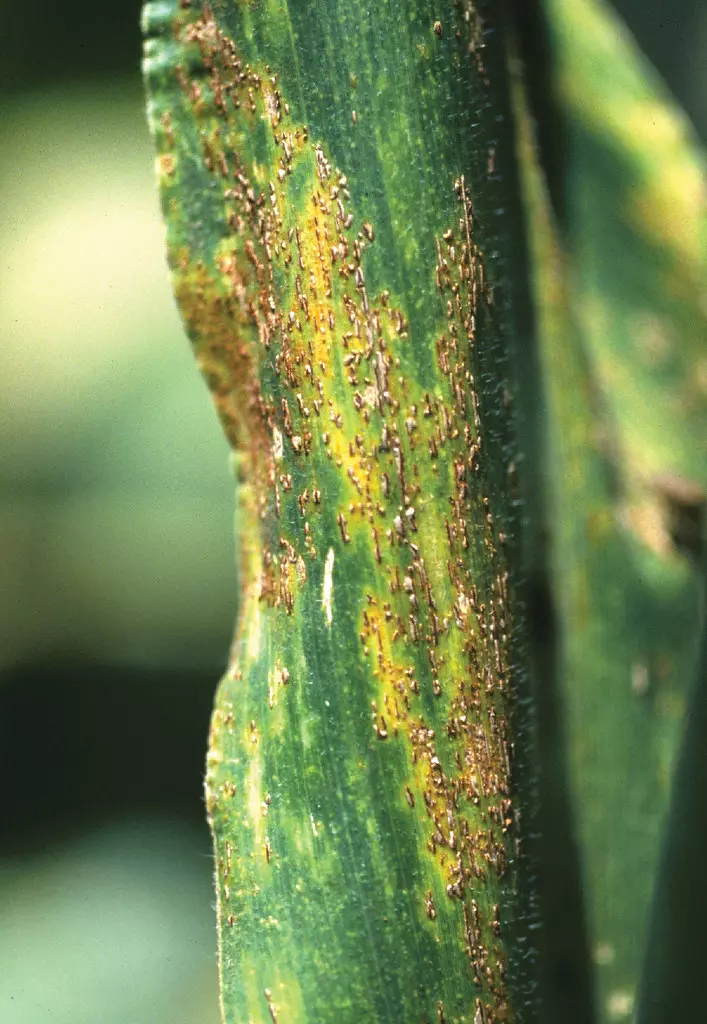
Diseases
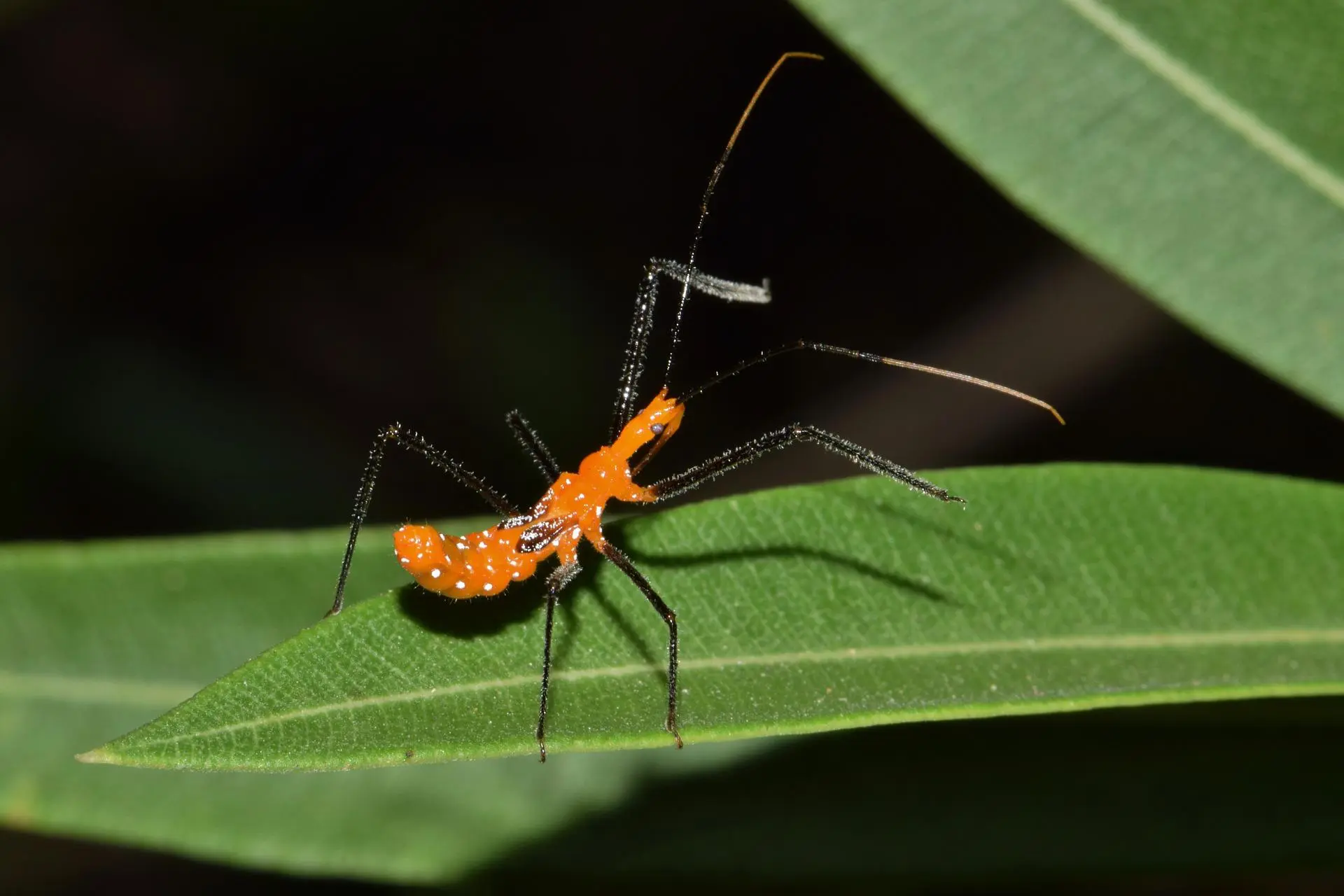
Beneficial Critters
Growing from Seed
Hibiscus is often grown from nursery transplants or cuttings, however it is possible to start some varieties from seed. Before sowing it is recommended to soak the seeds for 24 hours to aid germination. Some seed vendors recommend scarification- scratching the seed coat with sandpaper- rather than pre-soaking. Where possible, follow the germination instructions that came with your seeds.
Keep the seed starting mix consistently moist. A heat mat may be helpful to maintain the optimal temperature for germination. Use grow lights to provide supplemental light as soon as the seeds germinate.
Planting Considerations
Hibiscus prefers fertile, well-drained soil. Work in compost at the time of planting. Hibiscus can be prone to wind damage; choose a planting location that is sheltered from wind and if needed stake the plant to provide additional support.
Plant hibiscus outdoors after all risk of frost has passed.
It is important to keep weeds under control while hibiscus plants are getting established. Weed regularly especially in the first several weeks after transplant. Applying mulch can help to keep weeds under control and to retain soil moisture.
It is possible to grow hibiscus in containers. Hibiscus prefers to have its roots contained, so when potting up hibiscus plants choose a pot size that is only 1-2" wider than the root ball. Container grown hibiscus may need extra support to avoid toppling over. Do not leave container-grown hibiscus outdoors over winter, unless it is being grown as an annual. Move cold hardy varieties to a sheltered location and bring tropical varieties indoors.
Roselle is a short day plant that needs daylengths less than 12 hours to promote flowering. If short day lengths do not set in well in advance of the first fall frost date in your area, you may want to experiment with artificial shade to shorten daylight hours. In cooler climates, season extension techniques may be needed in fall to get a substantial roselle harvest.
Rose of Sharon is considered invasive in several areas; it is a prolific self-seeder that can easily get out of control. Look for sterile varieties to prevent self-seeding.
Feeding
Hibiscus is a heavy feeder. Fertilize regularly throughout the growing season with a balanced fertilizer. For hibiscus being grown in containers or being overwintered indoors, dilute the fertilizer to half-strength before applying.
If a soil test shows specific deficiencies, amend the soil at the time of planting.
Harvesting
Roselle calyces are ready to harvest once the flower petals have withered and the calyces themselves are bright red and plump. Ripe calyces can be snapped off by hand otherwise entire stalks with ripe calyces can be harvested by cutting just below the calyces with scissors or garden snips. Harvesting calyces early and often can help increase yield.
Roselle leaves can be harvested any time from 6 weeks after transplanting onward. Harvest young leaves sparingly or the plant's growth may be stunted. Leaves may bruise easily so harvest them gently.
Certain hibiscus varieties can be used as foliage plants in cut flower arrangements. For this purpose harvest stems when they are slightly woody and the leaves have reached their mature size.
Storage
Roselle calyces can be used fresh to make teas, beverages, jams, sauces, and desserts. They can be stored loosely wrapped in a plastic bag in the fridge for up to several days. They can also be air dried on racks or dehydrated for long-term storage. Cut off the bottom of the calyces and remove the seed pods before cooking with them or drying them. The seeds can be eaten- they are usually roasted to increase digestibility and nutrition. They can be eaten as a snack, incorporated into smoothies or oatmeal, or brewed into a coffee-like drink.
Roselle leaves can be used fresh or cooked. They can also be stored loosely wrapped in a plastic bag in the fridge for up to several days.
Pruning
Deadheading hibiscus regularly can help encourage more blooms (and in the case of unsterile Rose of Sharon can help prevent self-seeding).
Tropical hibiscus can be pruned in spring, with up to 1/3 of the plant being removed. Hardy hibiscus dies back in winter and should not need regular pruning other than to remove dead stems. Injured or diseased stems can be removed at any point in the season. Hibiscus that is being overwintered indoors can be pruned before bringing it in.
Ornamental hibiscus can be pruned into a tree-like shape as it grows from a young plant. This involves topping the main stem, removing all lower side stems, and managing the size of the canopy stems to create a full, rounded shape.
Hibiscus grown for cut flower foliage can benefit from pinching while the plant is young.