Kiwi
Actinidia deliciosa, Actinidia arguta, Actinidia kolomikta
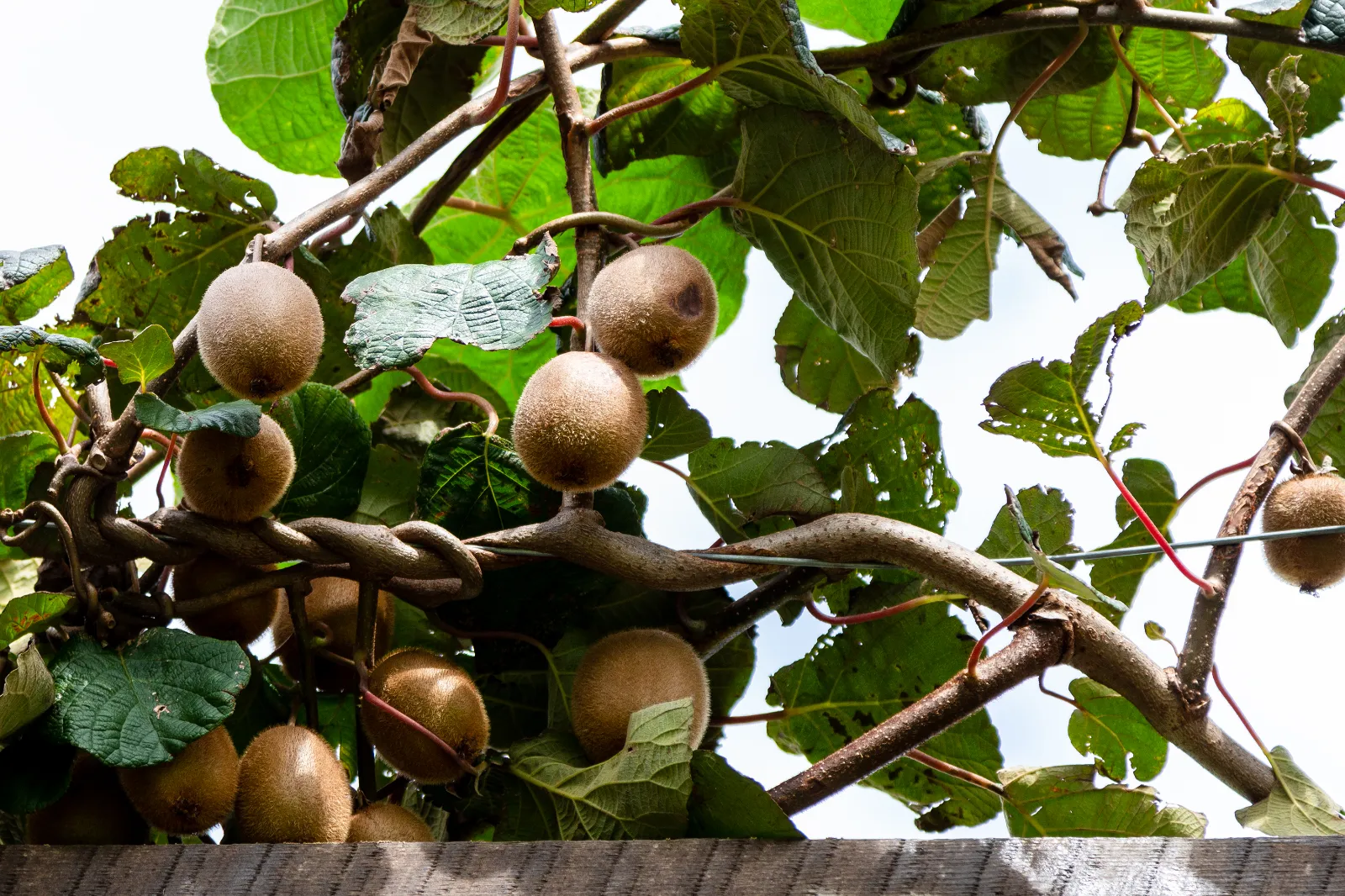
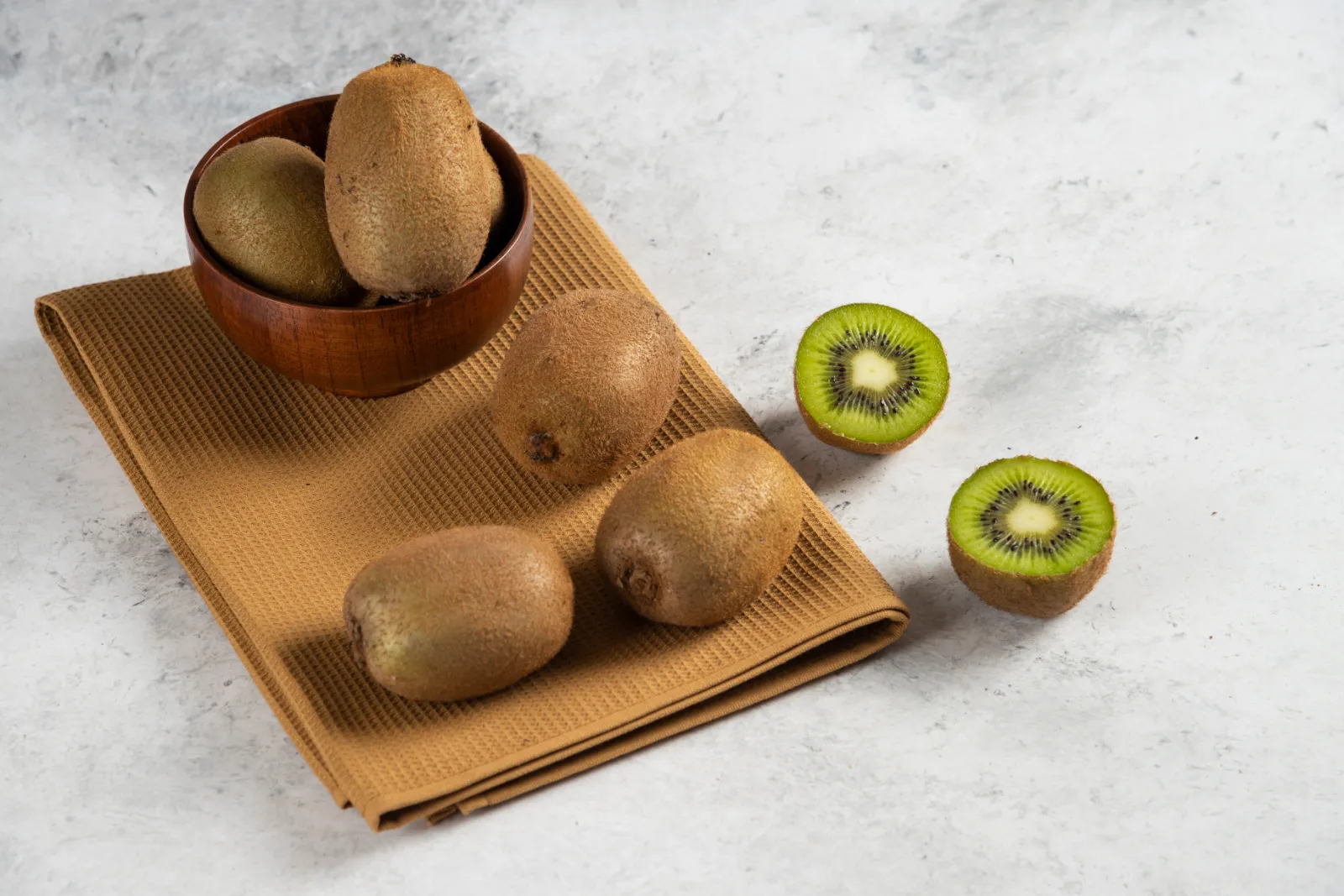
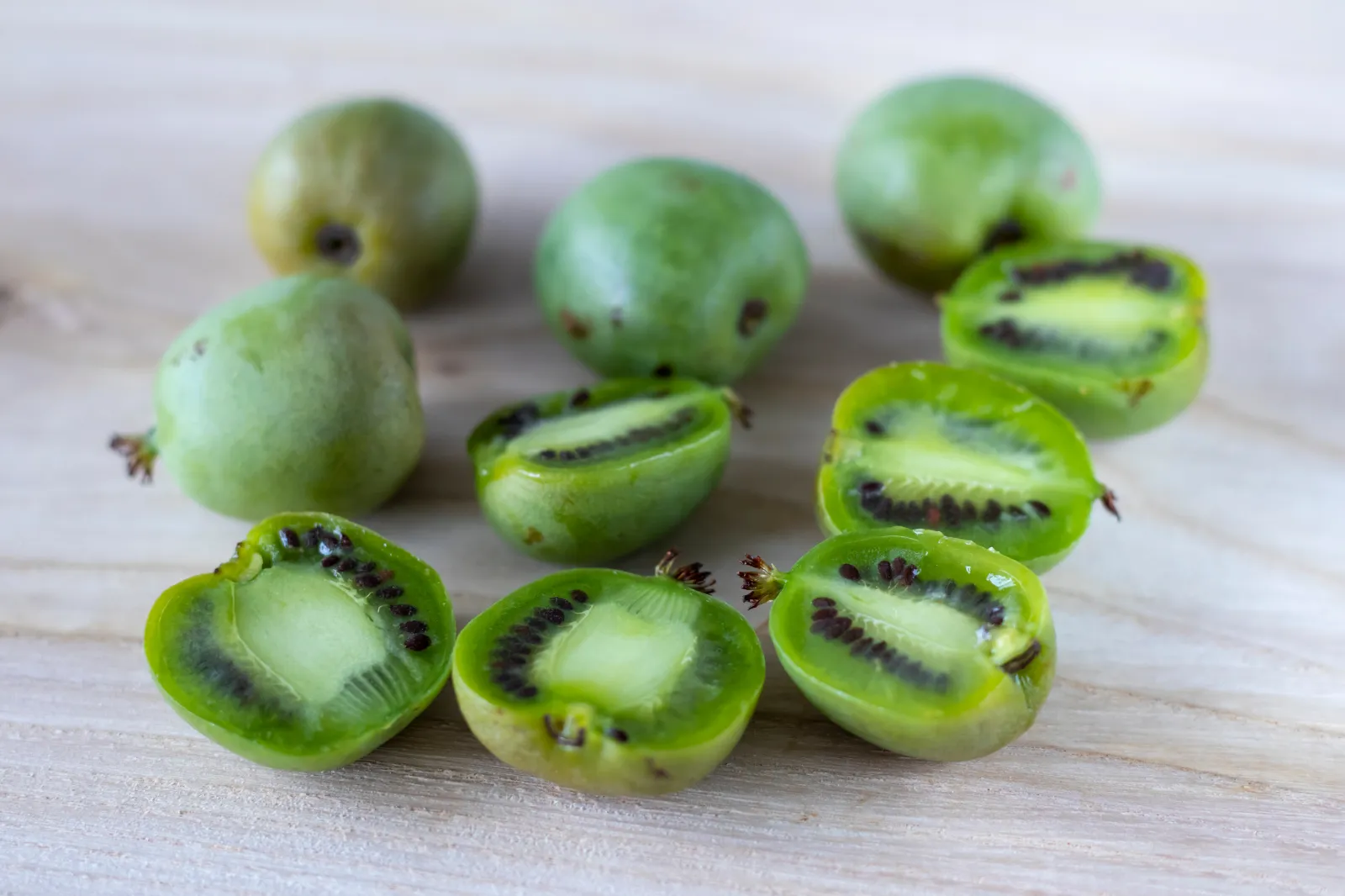
Kiwi fruit grows on prolifically-producing vines. Many people are familliar with the fuzzy grocery-store kiwi, Actinidia deliciosa, which is hardy in USDA zones 8-9. There are also hardy kiwi varieties that can withstand cold winters. Hardy kiwi, Actinidia arguta, is hardy down to zone 4 and super hardy kiwi, Actinidia kolomikta, is hardy down to zone 3! The fruits of hardy kiwi vines are often called 'kiwiberries'. They are smooth-skinned and smaller than fuzzy kiwis but they are even sweeter.
How to Grow Kiwi
Quick Info
Put away the pen and paper
Plan your veggie garden in minutes with Planter's easy drag and drop planner.
Try Planter for Free
Nutrition
Vitamins



Nutrients




Pests
Diseases
Beneficial Critters
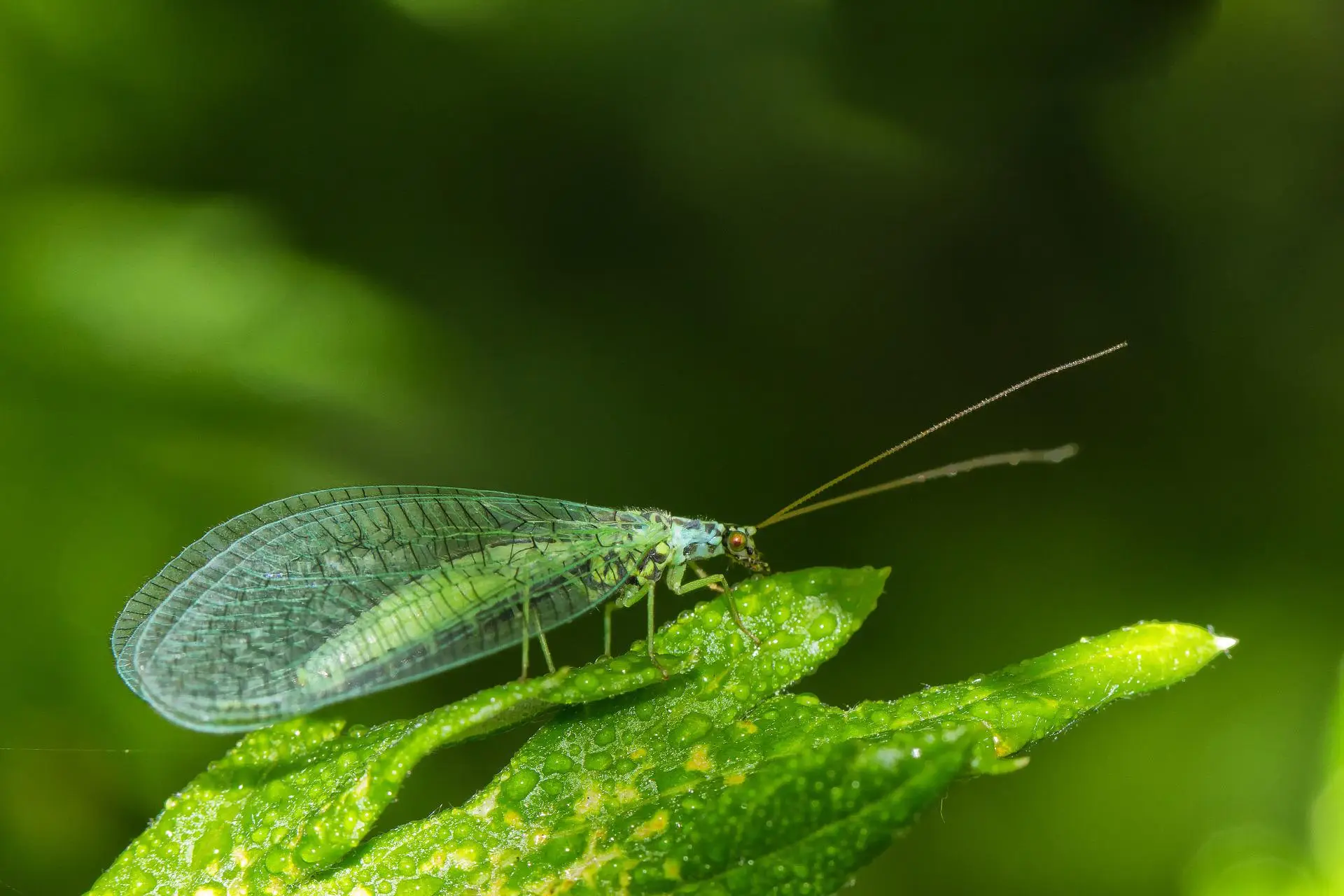
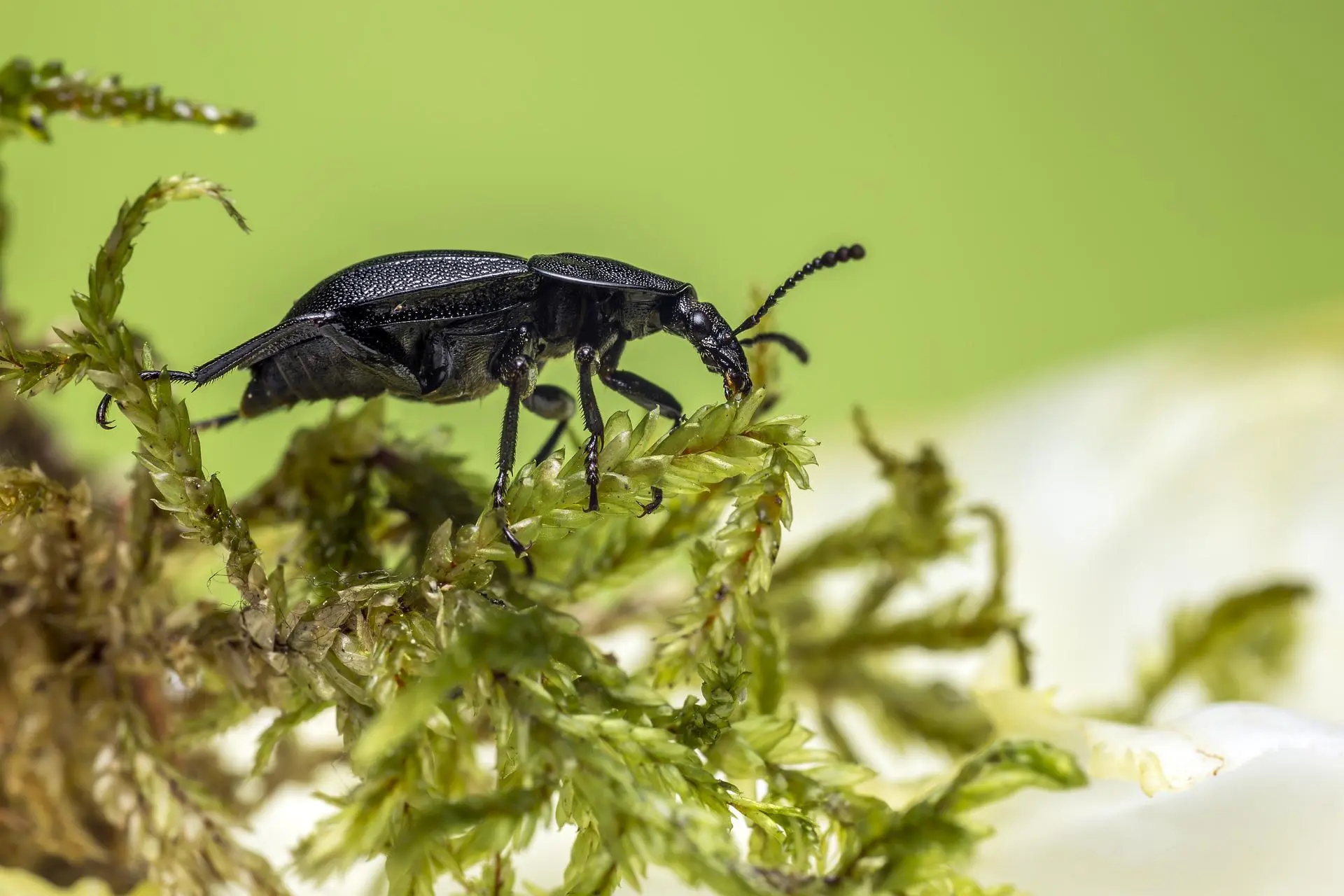
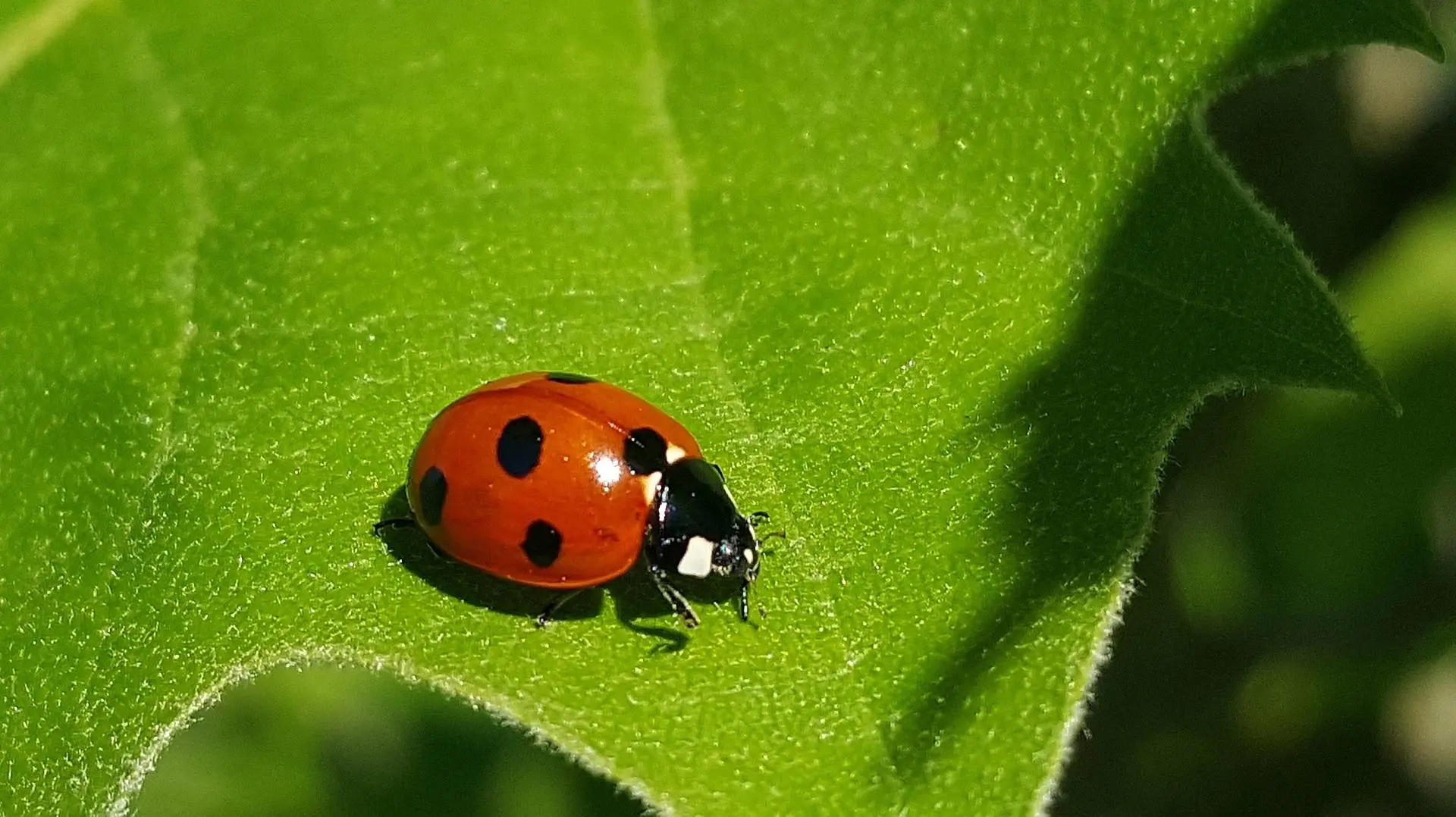
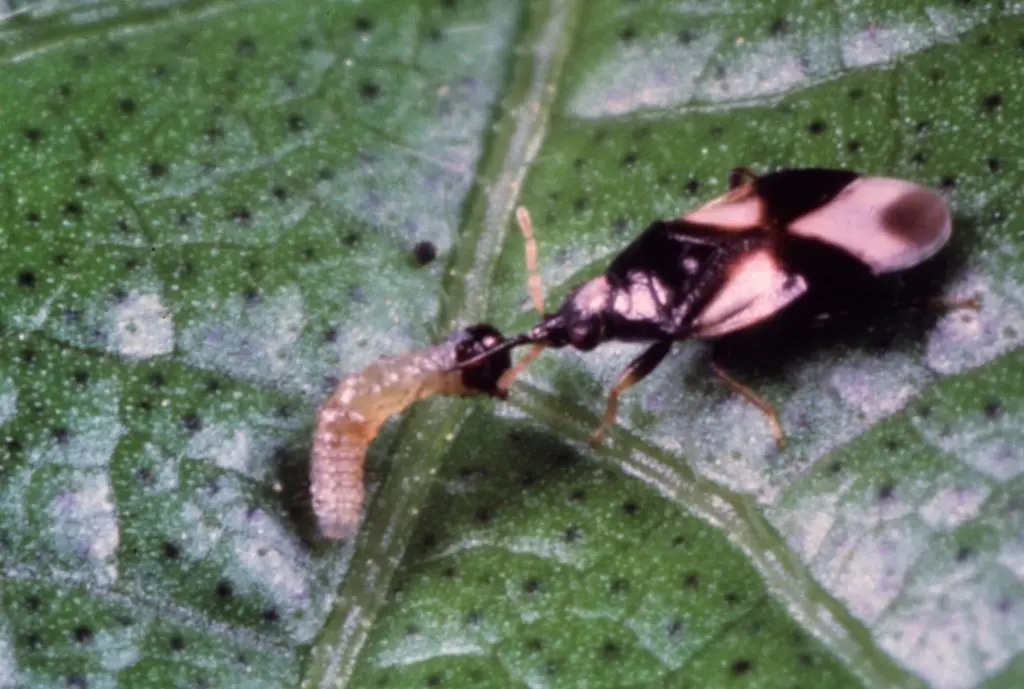
Growing from Seed
Kiwis are not typically grown from seed. They are typically started from bare root plants or transplants. Plants grown from seed may not be true-to-type.
Planting Considerations
Select a kiwi variety that is suitable for your area. Most kiwi plants are dioecious, i.e., the plant is either male or female. For good fruit set one male plant is needed for every four to eight female plants, and there should be a male plant within 20-30 feet of each female. Even with the proper ratio of male-to-female plants, hand pollination may be necessary. For much of the year male plants are indistinguishable from females; make sure to have a way to identify male vs. female plants once they are planted. Kiwi prefers fertile, well-draining soil that does not get waterlogged. Choose a location that is sheltered from wind and receives plenty of sunlight. Plant to the same depth as the soil in the nursery pot (or in the case of bare root plants plant to the soil line on the trunk). Soak bare root plants for 1-2 hours before transplanting. Kiwi vines need very strong support structures to climb on; construct the trellis system soon after planting the vines. Young kiwi plants need to be protected from frost, and mature plants may also need protection from late spring frosts so that new, tender growth is not killed off and to prevent trunk damage from winter sunscald.
Feeding
Do not fertilize kiwi vines for the first year after planting as their roots can be sensitive to fertilizer burn. After that, apply composted manure around the base of the vines and/or fertilize with an all-purpose, slow-release fertilizer annually in spring.
Harvesting
Fuzzy kiwi fruits are harvested when the fruit is still hard and underripe then left to ripen off the vine. Cut a few sample fruits in half to ensure the seeds have turned black- this provides an indication that the fruit is mature enough to ripen properly once picked. Kiwiberries can be harvested when ripe or slightly underripe. Ripe kiwiberries will have a slight give to them when pressed and should taste sweet. Harvest individual fruits off the vine or in the case of kiwiberries you can also pick clean, freshly fallen fruits off the ground. Clear away all fruits by the end of the season and compost any inedible fruits.
Storage
Ensure the exterior of the kiwi fruit is dry before storing as storing wet fruits can lead to spoilage. Ripen fuzzy kiwis at room temperature. Whole, ripened kiwi fruits can be stored in the fridge for several weeks. Kiwiberries can be frozen in a single layer on a baking sheet then transferred to a freezer-safe bag and frozen up to several months. Fuzzy kiwis can also be peeled, sliced, then frozen or dried in a dehydrator.
Pruning
There are several methods for pruning and trellising kiwi vines. In general vines are pruned to one main trunk, although they can have multiple trunks (this tends to be done in colder areas in case a trunk needs to be removed due to winter sunscald). During the first year the focus is on establishing the trunk structure and guiding it up the trellis. In subsquent years vines are pruned to create and maintain the desired shape on the trellis, to remove old and diseased canes, and to manage the size of the plant and the number of canes. Female plants produce fruit on new shoots that grow off of previous year's growth. Prune female plants winter to remove old fruiting canes and to set up the desired number of new fruiting canes for next year. Male plants grow more vigorously than female plants. They are pruned in-season immediately after flowering to restrain their size and number of shoots. Suckers should be removed from the base of the trunk(s) throughout the growing season. Hardy kiwi vines may become invasive if not properly managed; inquire with local experts for more information on growing hardy kiwi in your area.