Lovage
Levisticum officinale
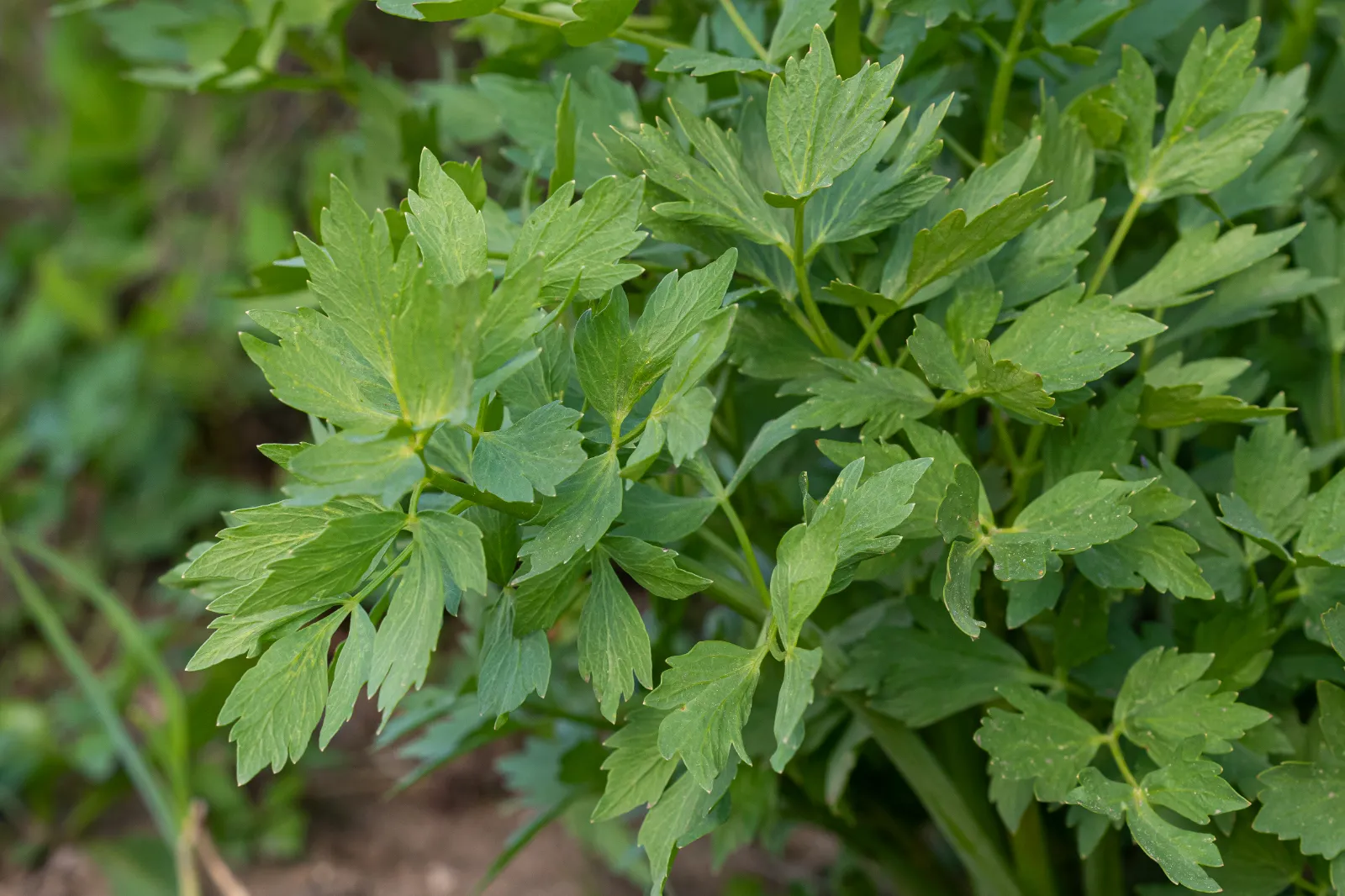
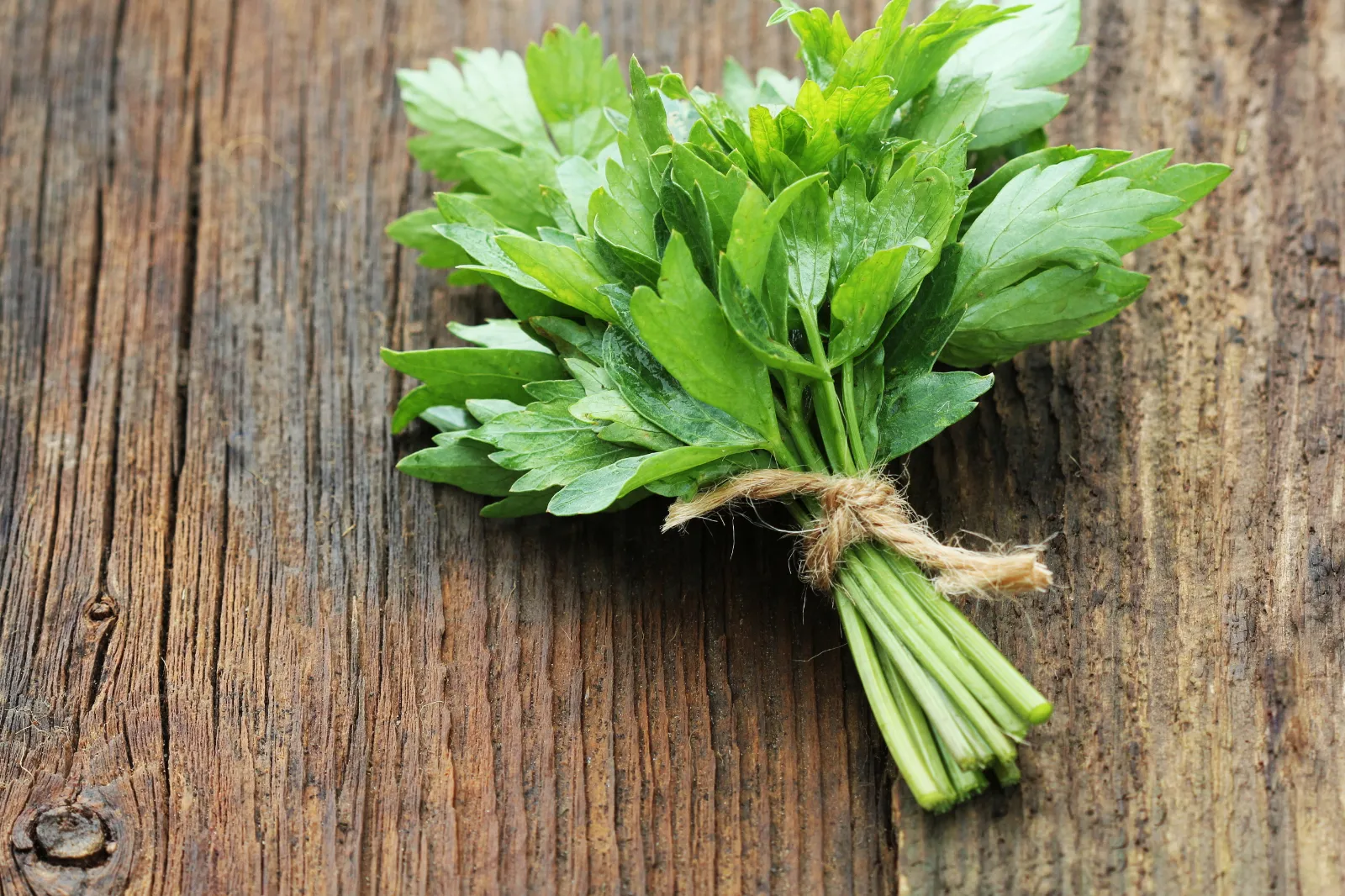
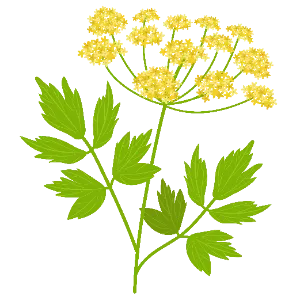
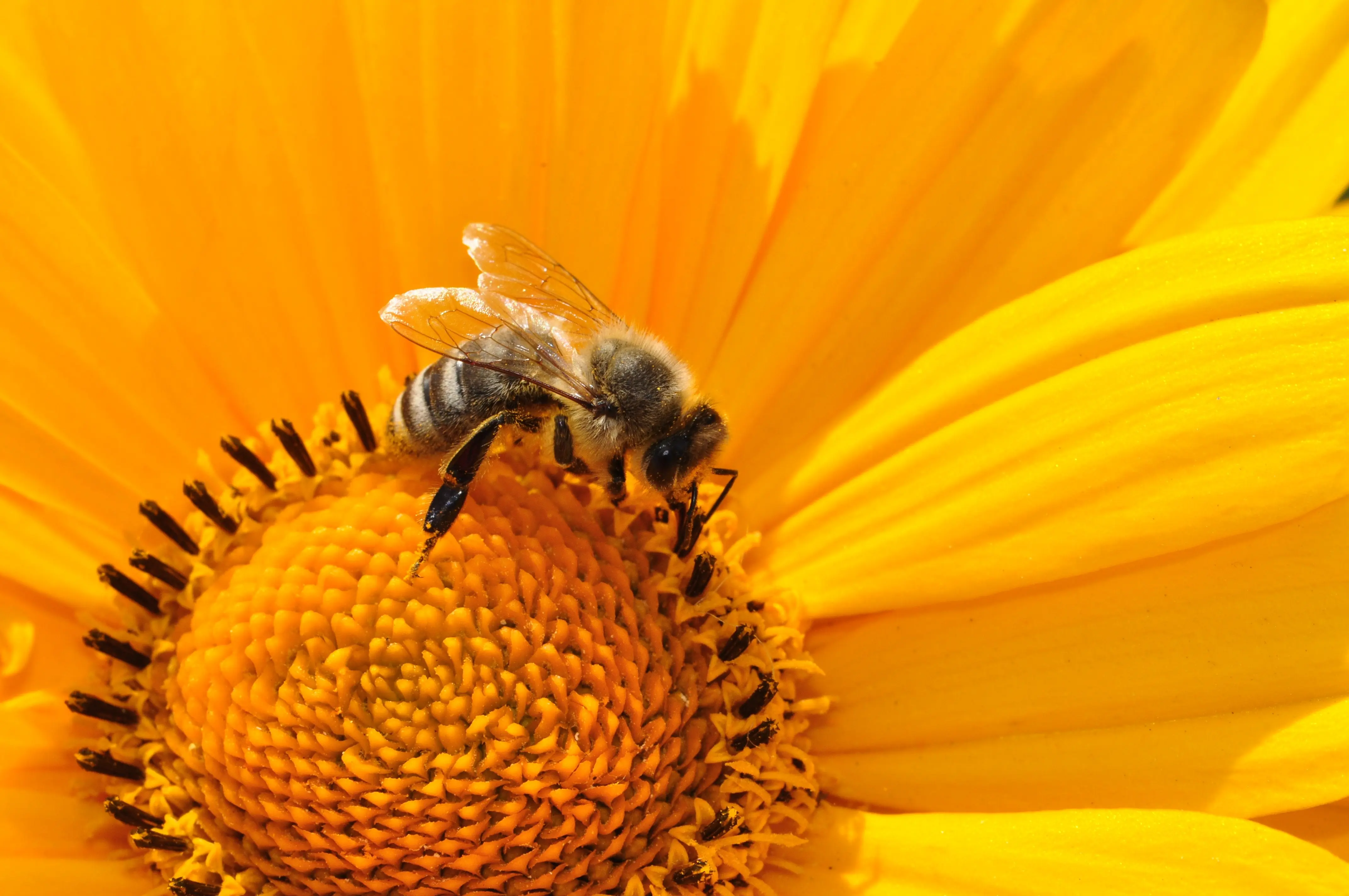
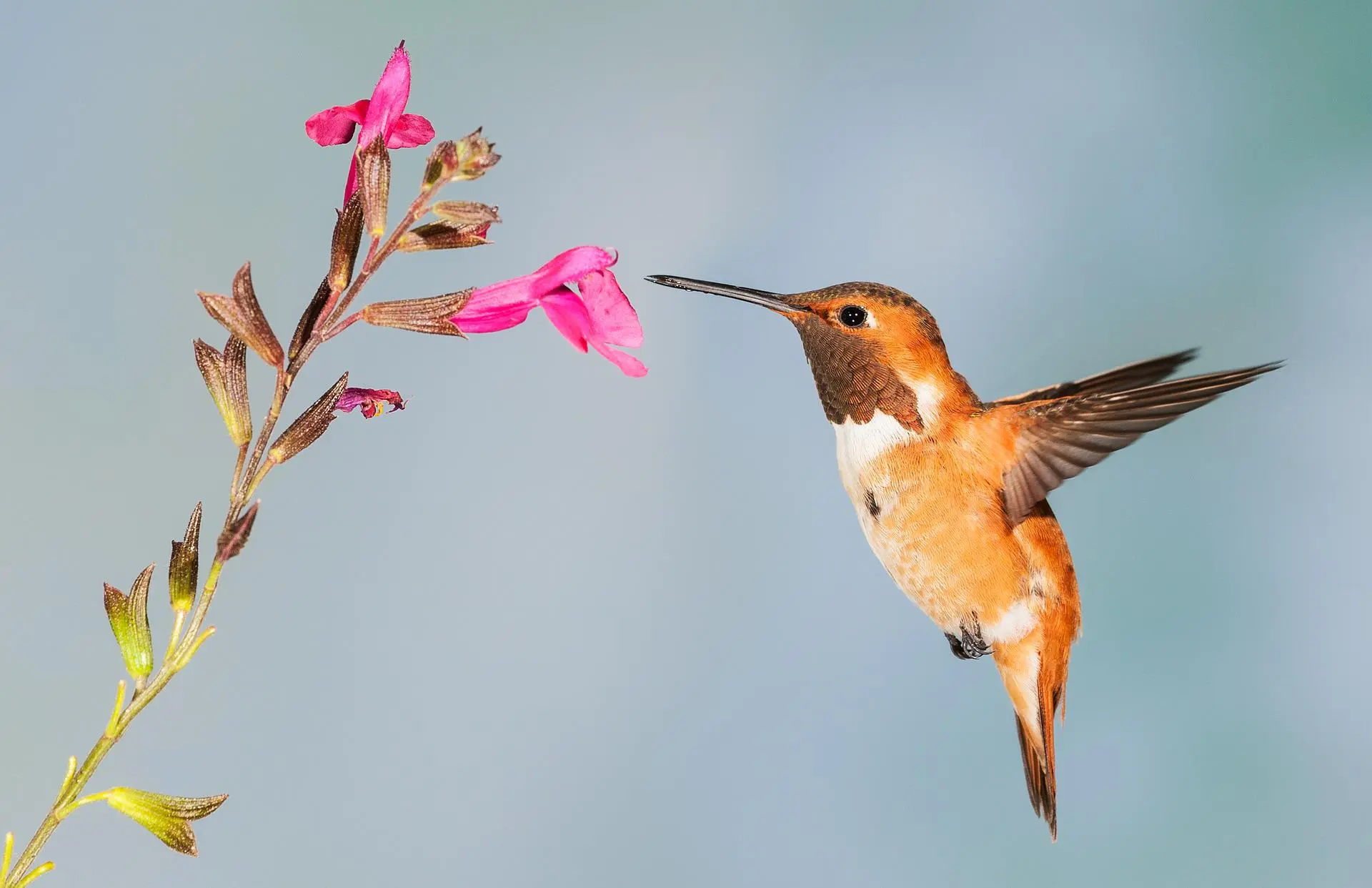
Lovage is a hardy perennial herb in the Apiaceae family. Its flavor is a mix of celery and parsley but more intense. All parts of the lovage plant are edible- the leaves can be used as an herb, the stems and roots can be used as a vegetable, and the seeds as a spice (similar to celery seed). The flowers are attractive to pollinators and the seeds can also provide food for birds. Lovage can be grown as a low-maintenance alternative to celery. The plants grow quite large and a little goes a long way, so one or two plants should be plenty for most families. Lovage is hardy down to USDA zone 4.
How to Grow Lovage
Quick Info

Put away the pen and paper
Plan your veggie garden in minutes with Planter's easy drag and drop planner.
Try Planter for Free
Nutrition
Vitamins


Nutrients


Pests
Diseases
Beneficial Critters
Growing from Seed
Keep the soil consistently moist until seeds germinate. Use grow lights to provide supplemental light as soon as the seeds germinate. Supplemental heat should not be needed. Transplants should be hardened off and transplanted outside after the risk of frost has passed. If sowing seeds directly outdoors, scatter seeds in the prepared location then cover with a light layer of soil. Thin seedlings as needed.
Planting Considerations
Lovage prefers loamy, rich soil that retains moisture but does not get waterlogged. Amend the soil with compost before planting. Transplants should be hardened off and transplanted outside after the risk of frost has passed. Because lovage is a large and tall perennial be sure to select a location where it will not interfere with or shade out other garden plants. Apply mulch around the plant to help control weeds. Lovage can be grown in containers although it has a large taproot so be sure to select a container at least 12 inches (30 cm) wide and deep. Lovage grown in a container may need to be buried in the ground (container and all) or stored in an unheated garage to overwinter.
Feeding
Apply compost around the base of the plant annually in spring. Lovage grown in containers may require regular fertilizer applications.
Harvesting
Lovage leaves and stems are best harvested before the plant flowers in summer as the flavor can become bitter after flowering. Regular harvesting of leaves and stems can help delay flowering. Use clean snips to harvest the outermost stems and leaves. If growing lovage for seed, harvest the seed heads when they start to dry and turn brown. Roots can be harvested in the fall or early spring.
Storage
Fresh leaves and stems can be stored the the fridge for up to a week. They can also be chopped, placed in ice cube trays and covered with water, then frozen. The frozen cubes can be transferred to a freezer-safe bag and stored for up to several months. Lovage leaves can also be hung to dry in a warm, dark place or dehydrated, then stored for a year or more. Dried lovage seed can also be stored for a year or more.
Pruning
Regular harvesting or pruning of lovage can help to delay flowering and to manage the plant's size. If the plant appears to be slowing down a hard prune can help to stimulate a flush of new growth. If you're concerned about lovage self-seeding, remove flowers and seed heads promptly (although they can be left on to provide food for birds). Plants can be divided in the fall or early spring.