Zinnia
Zinnia elegans, Zinnia haageana, Zinnia hybrida, Zinnia angustifolia
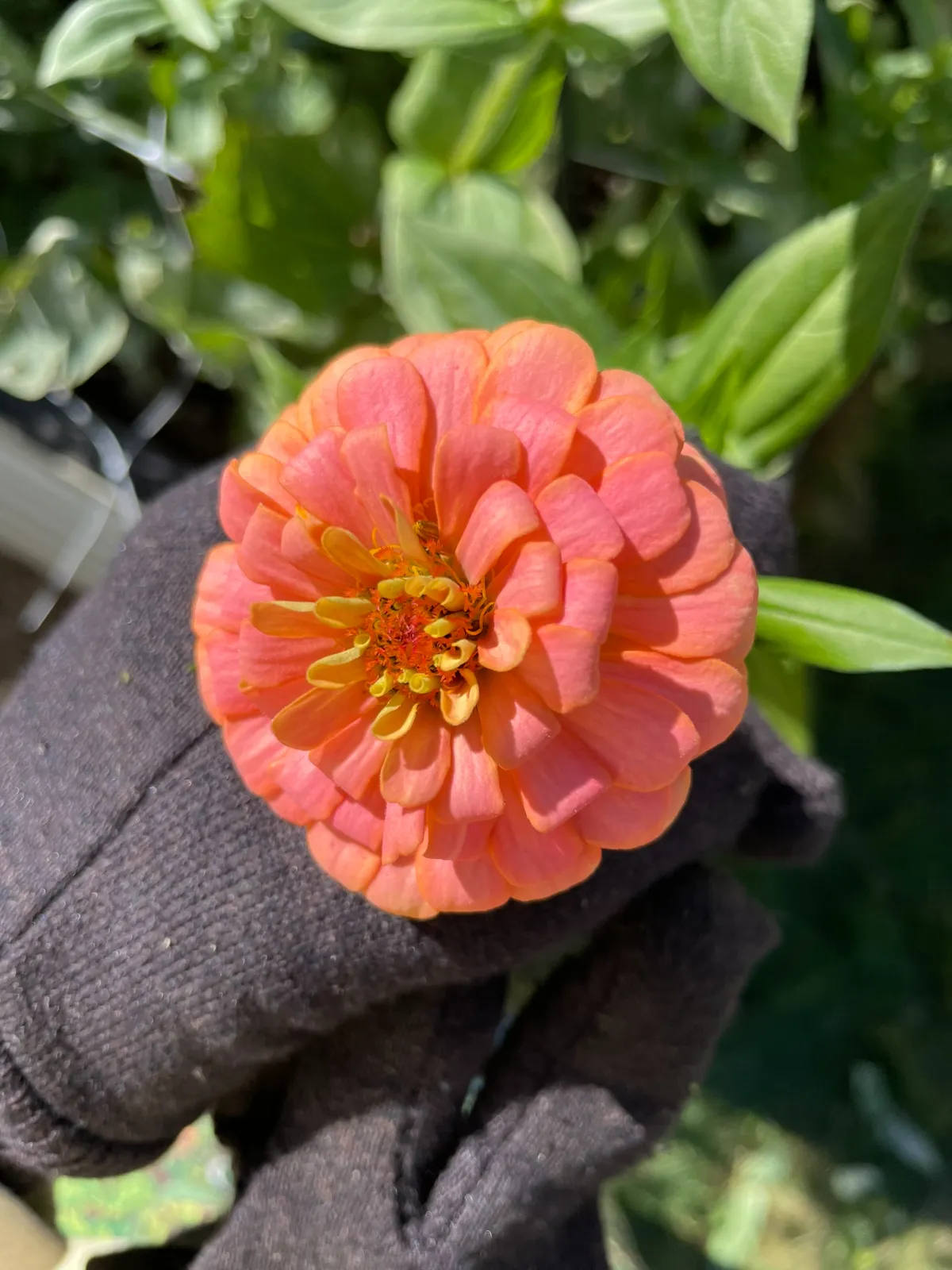
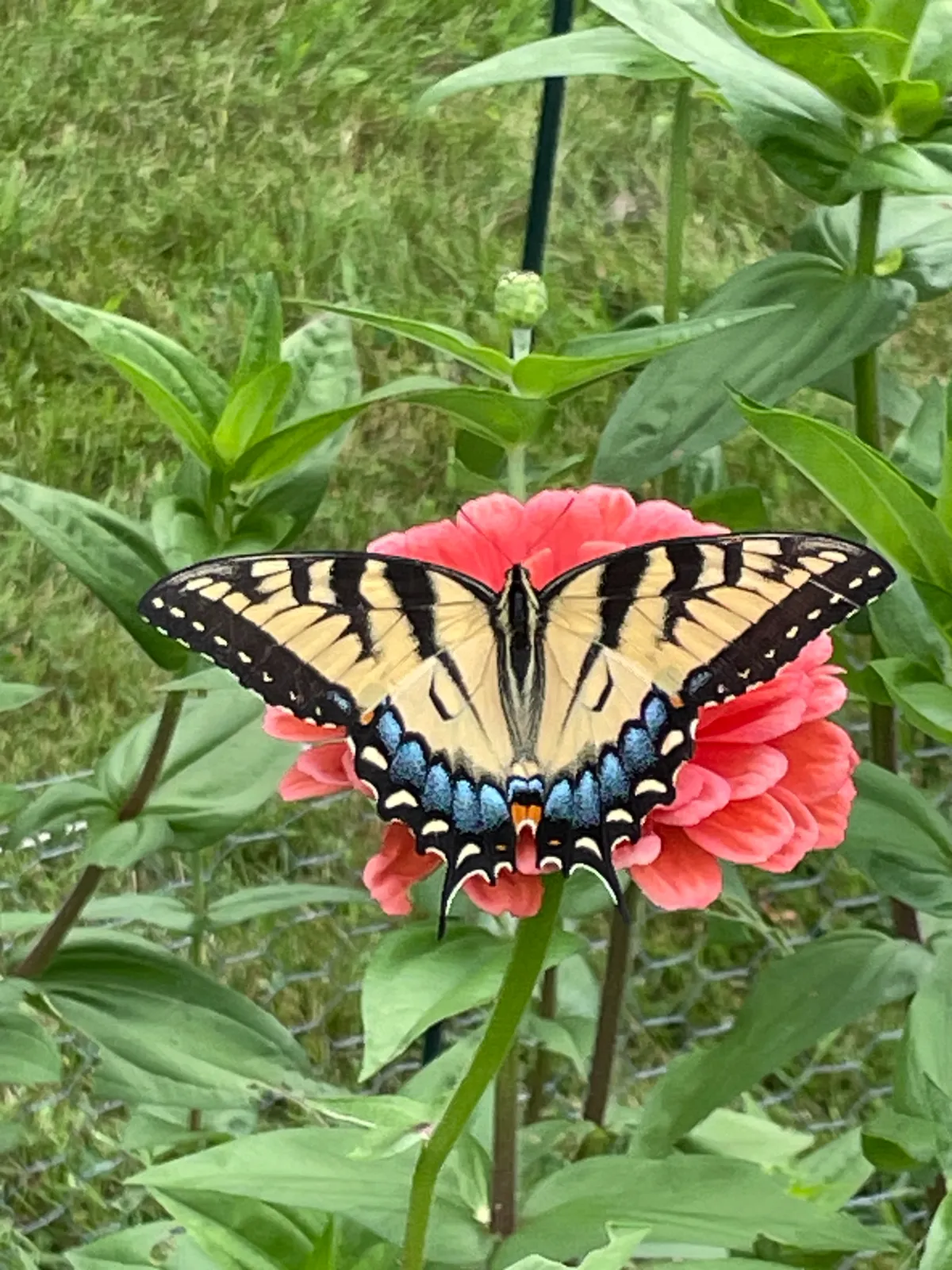
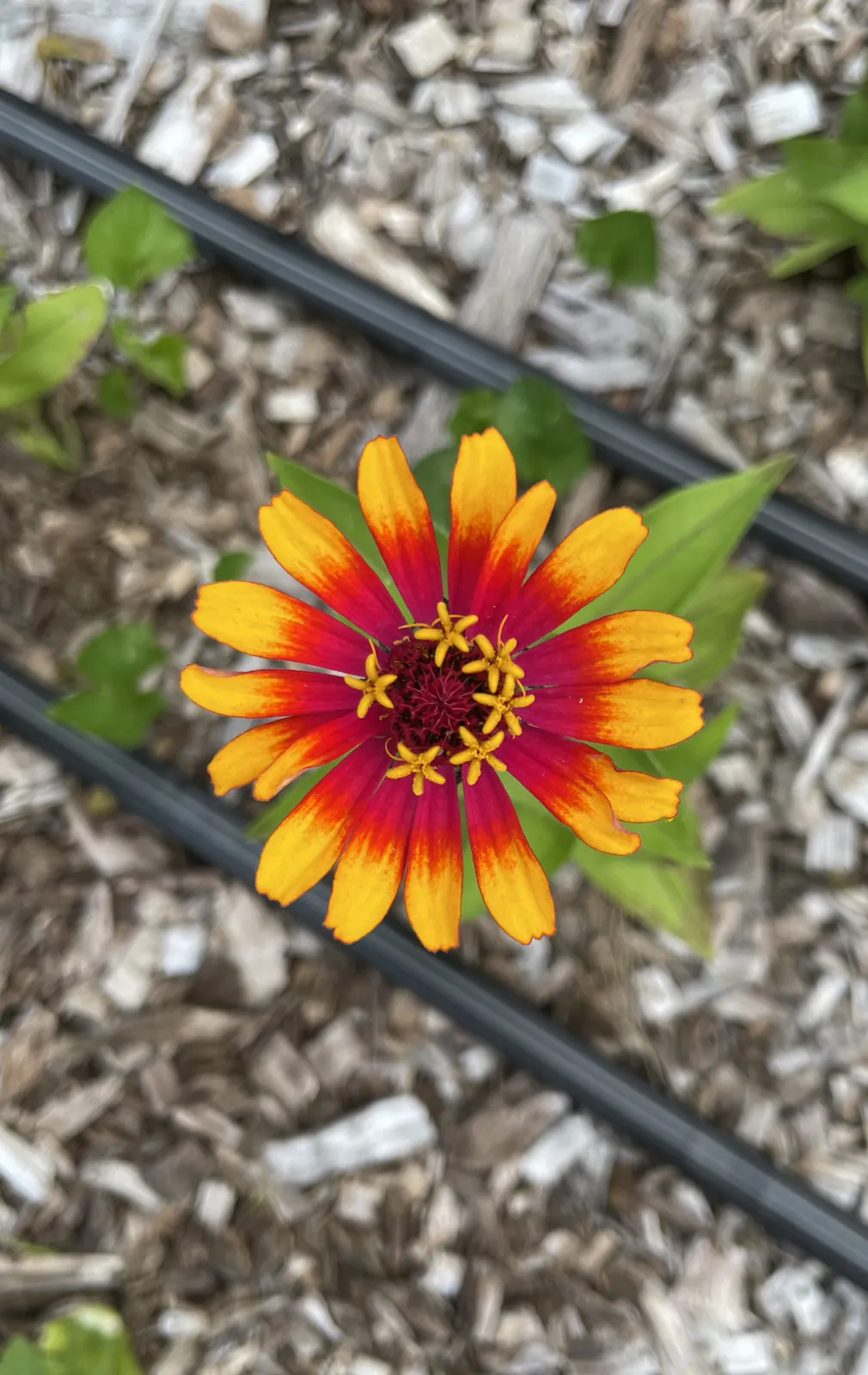
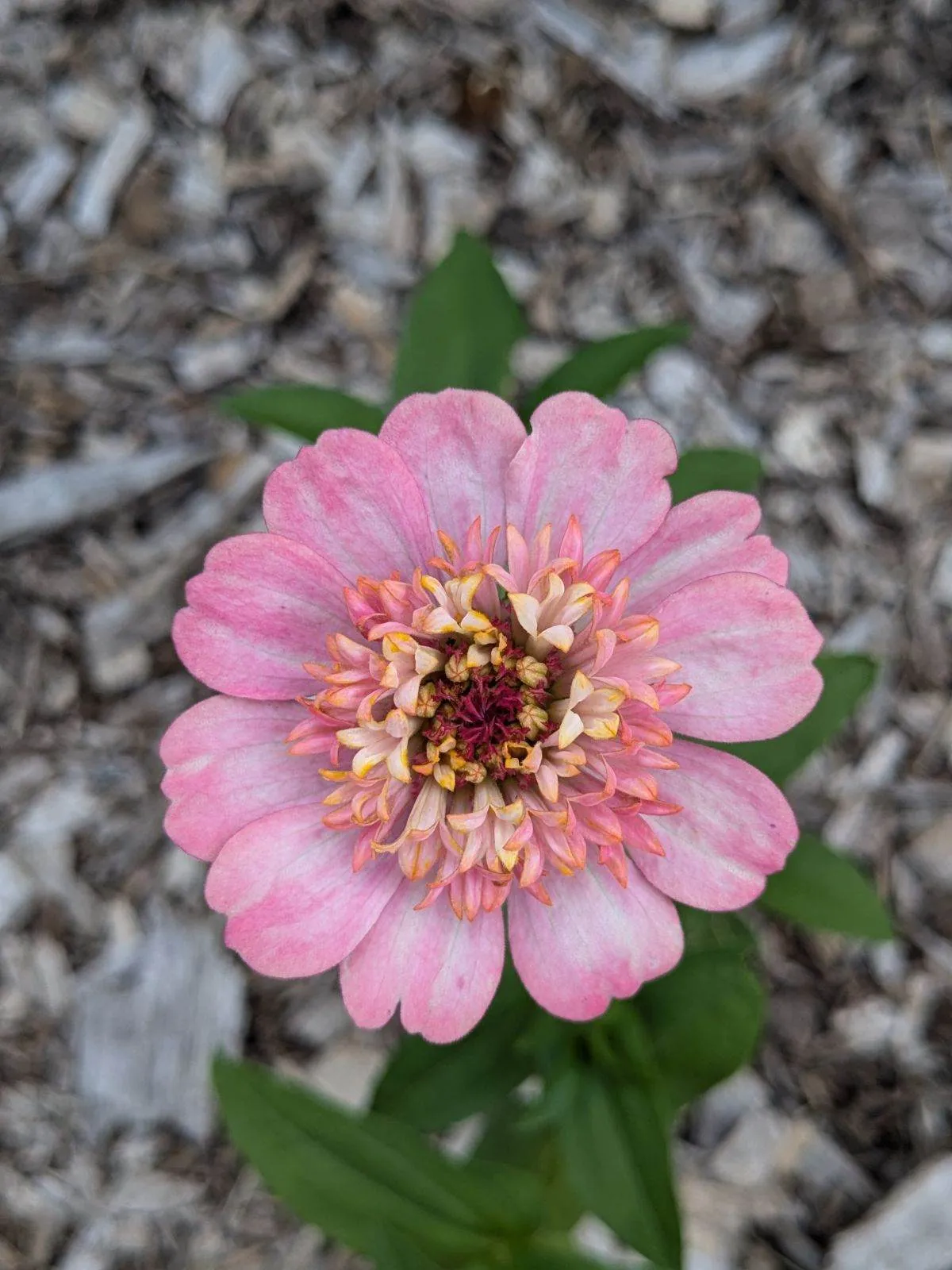
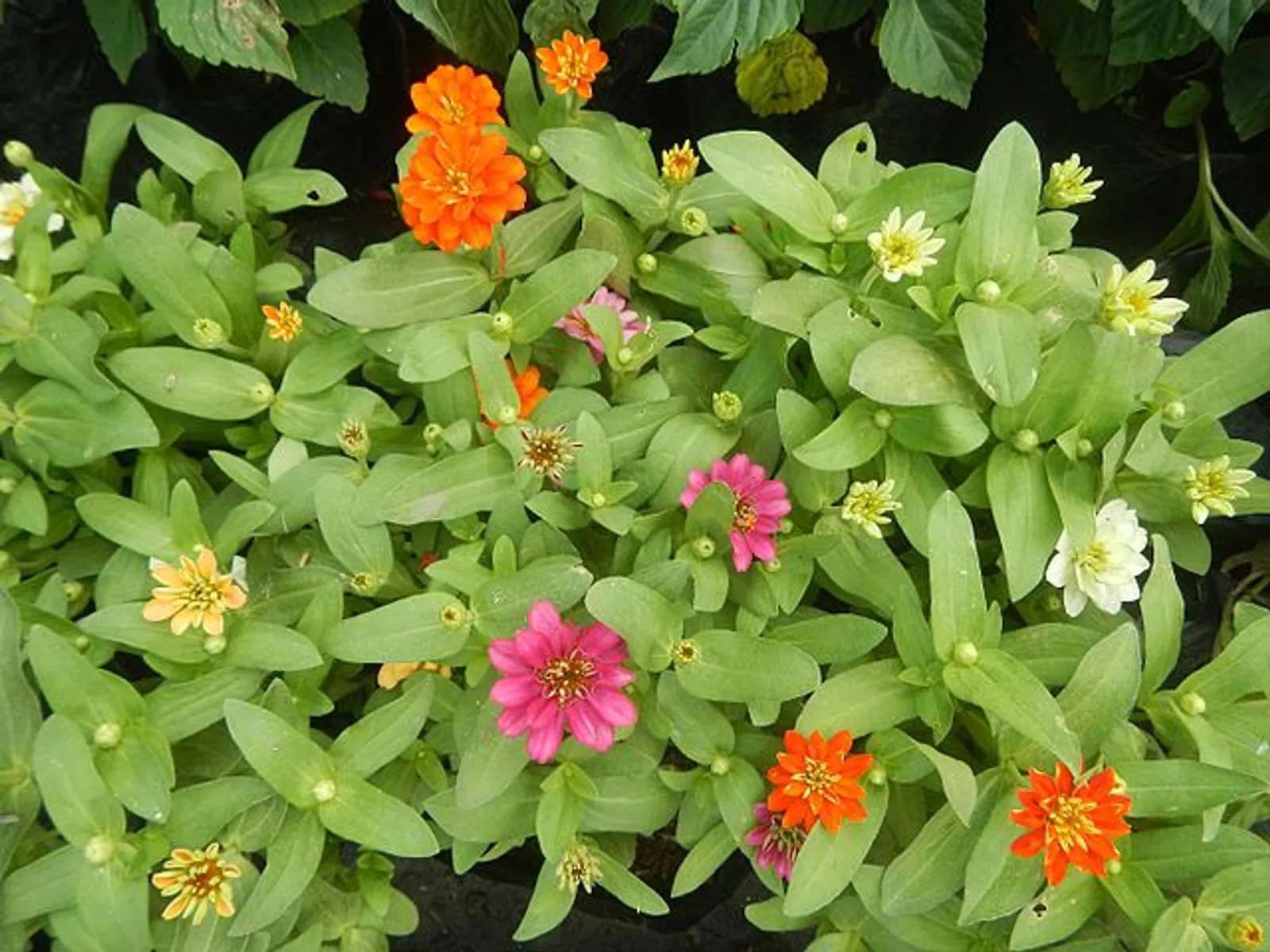
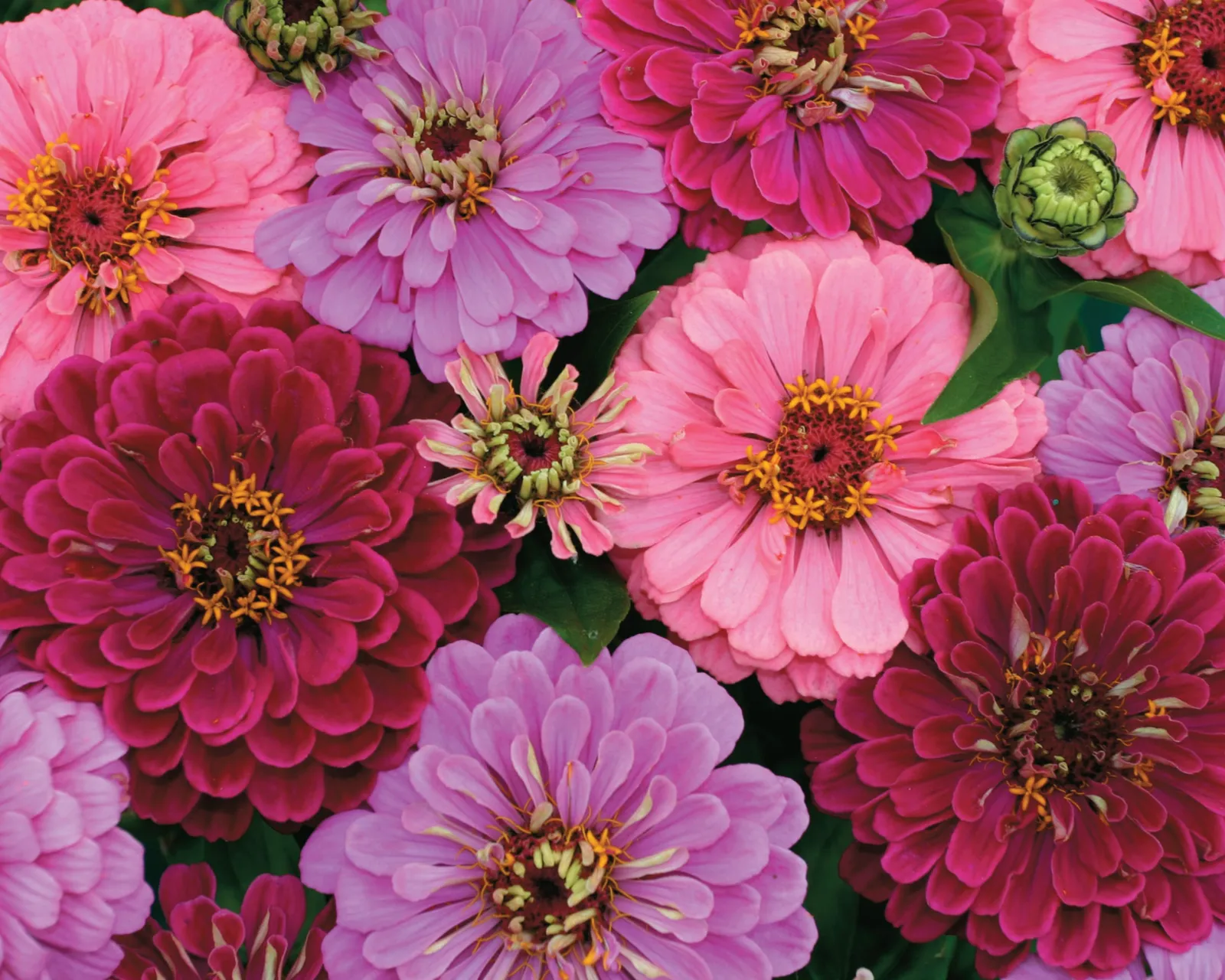
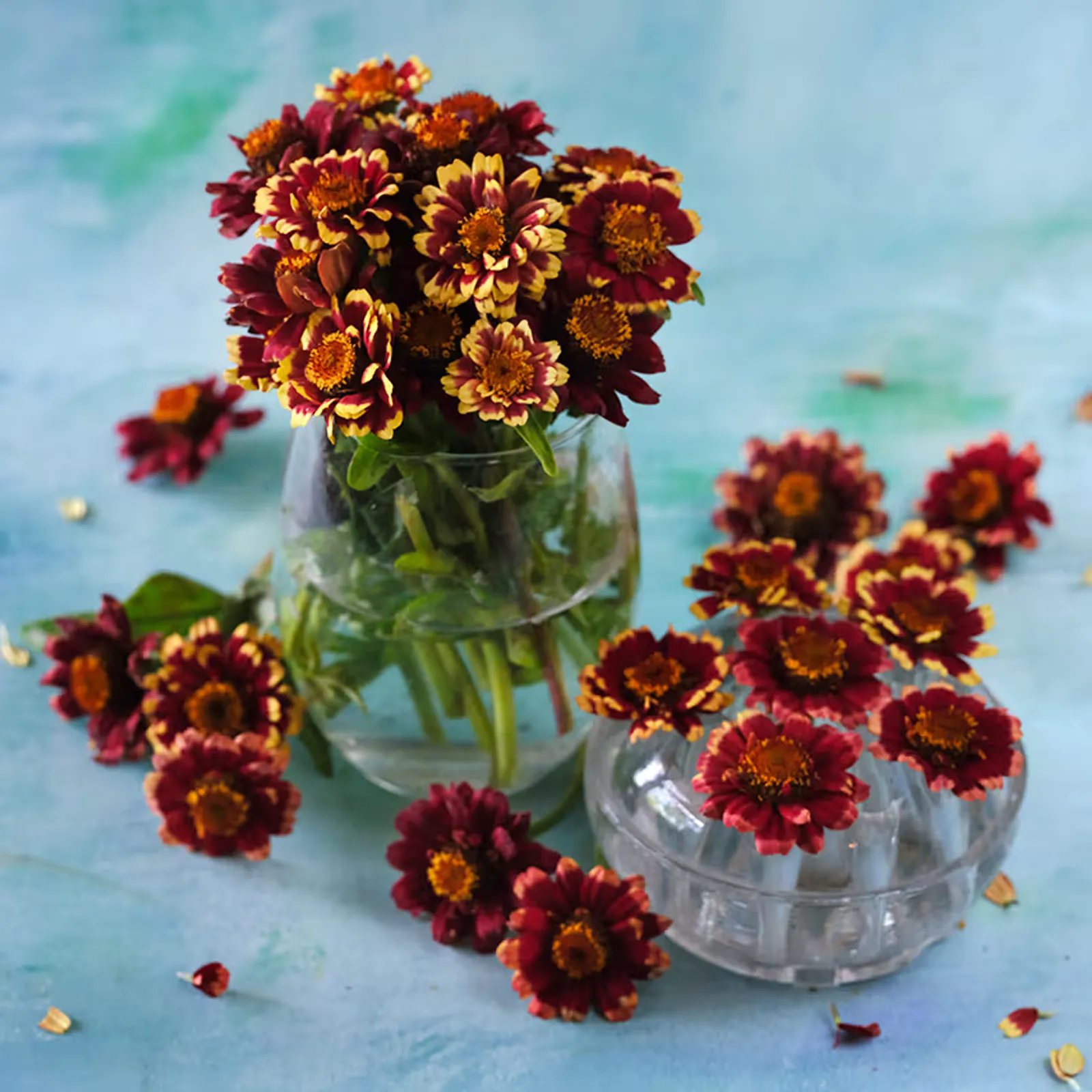
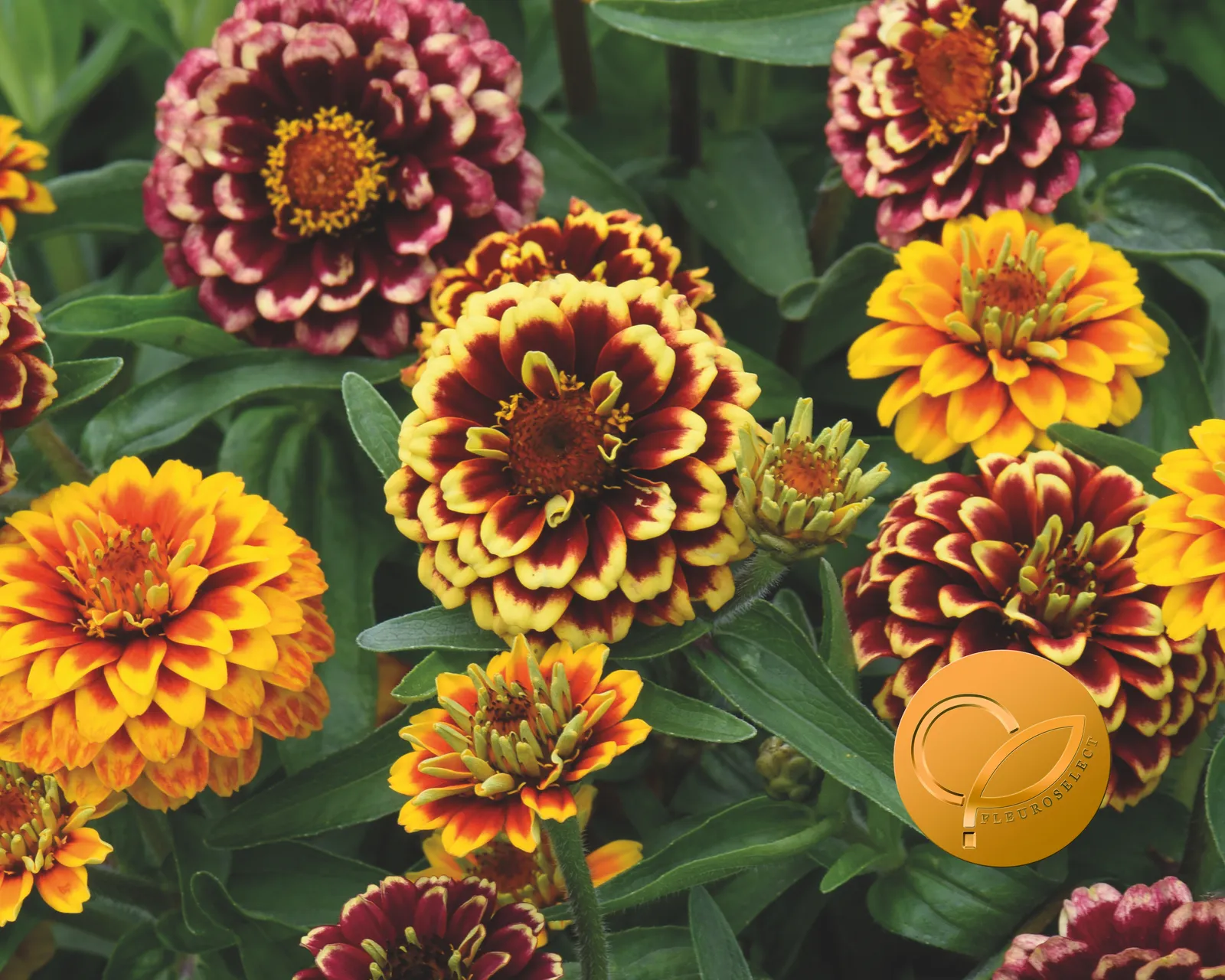
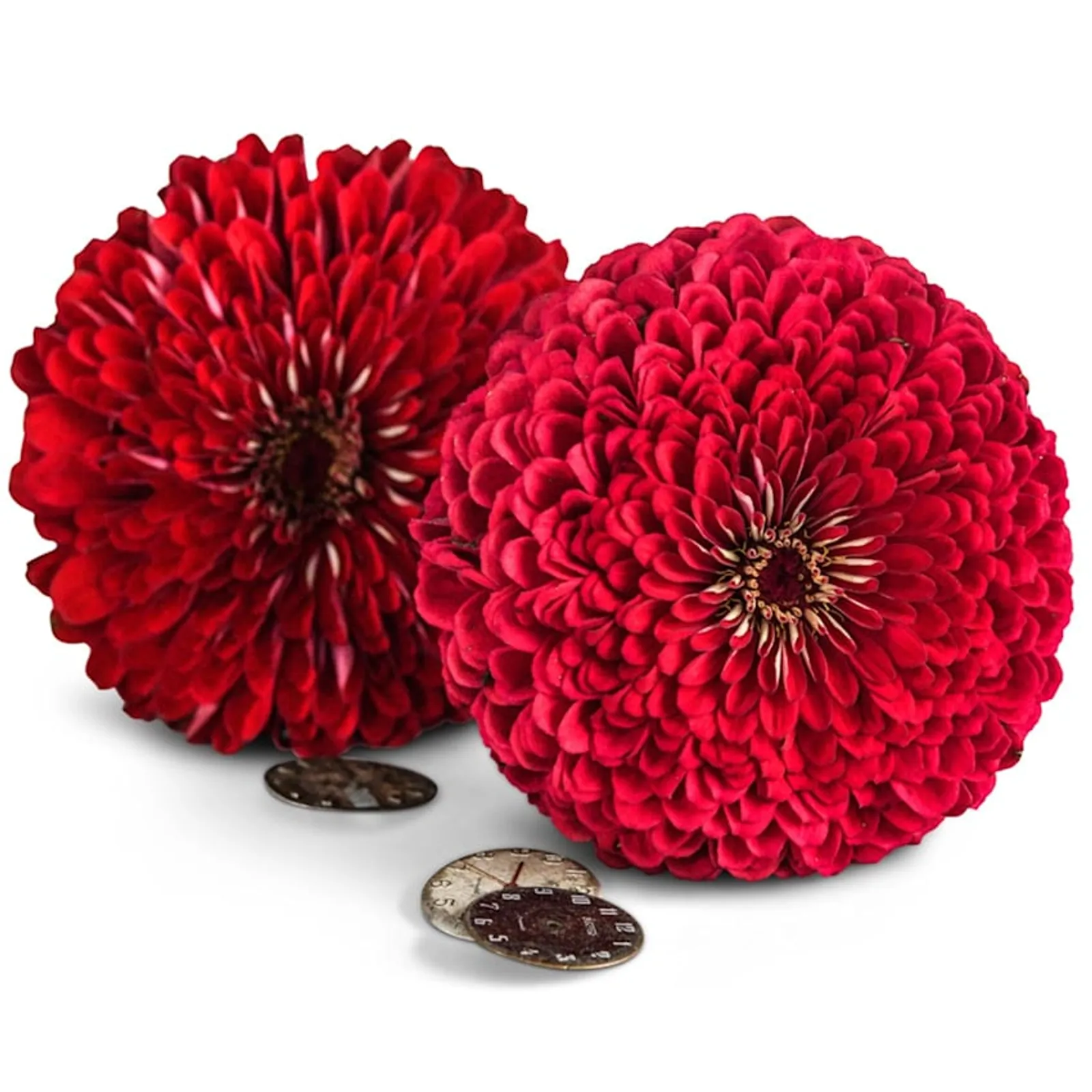
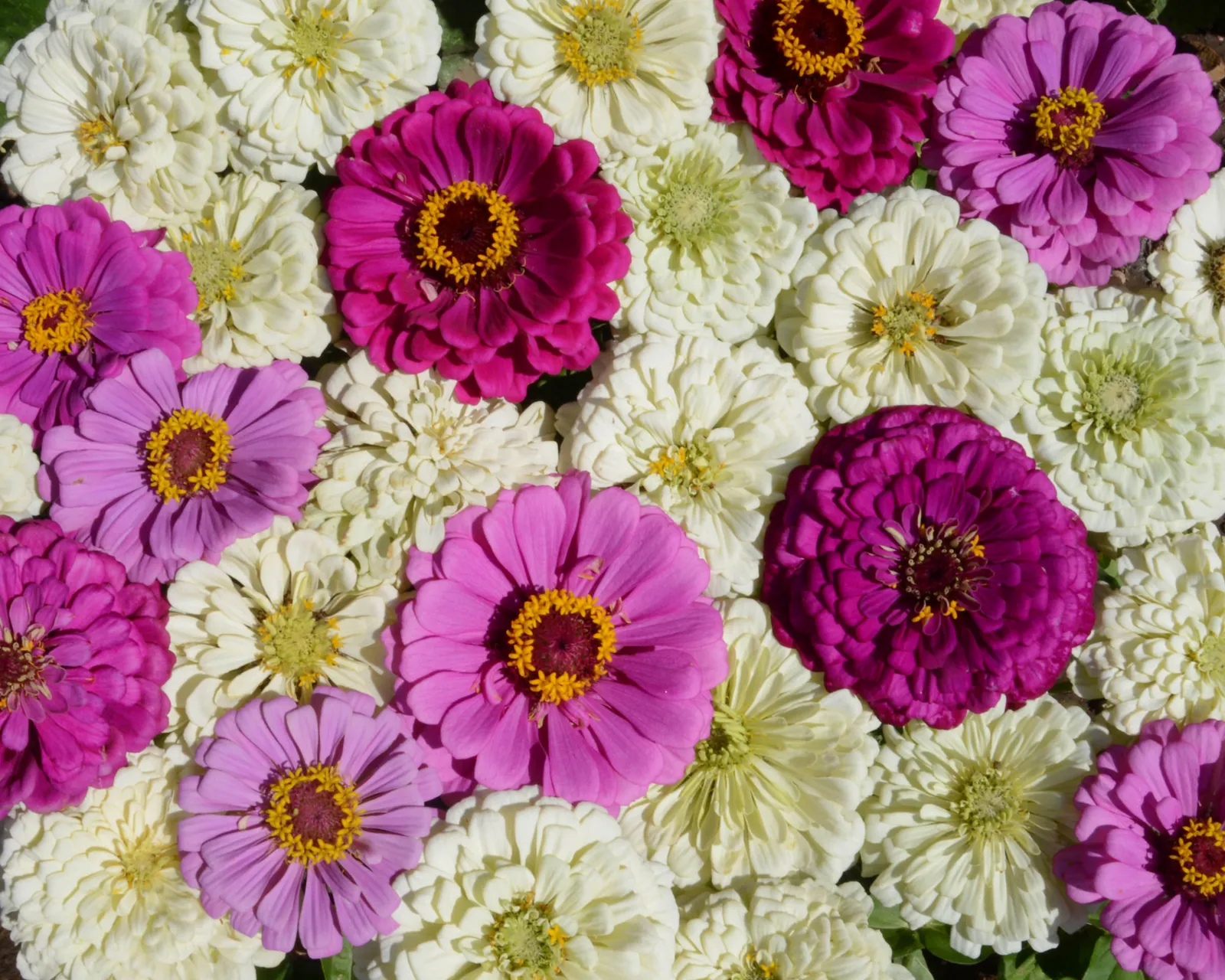
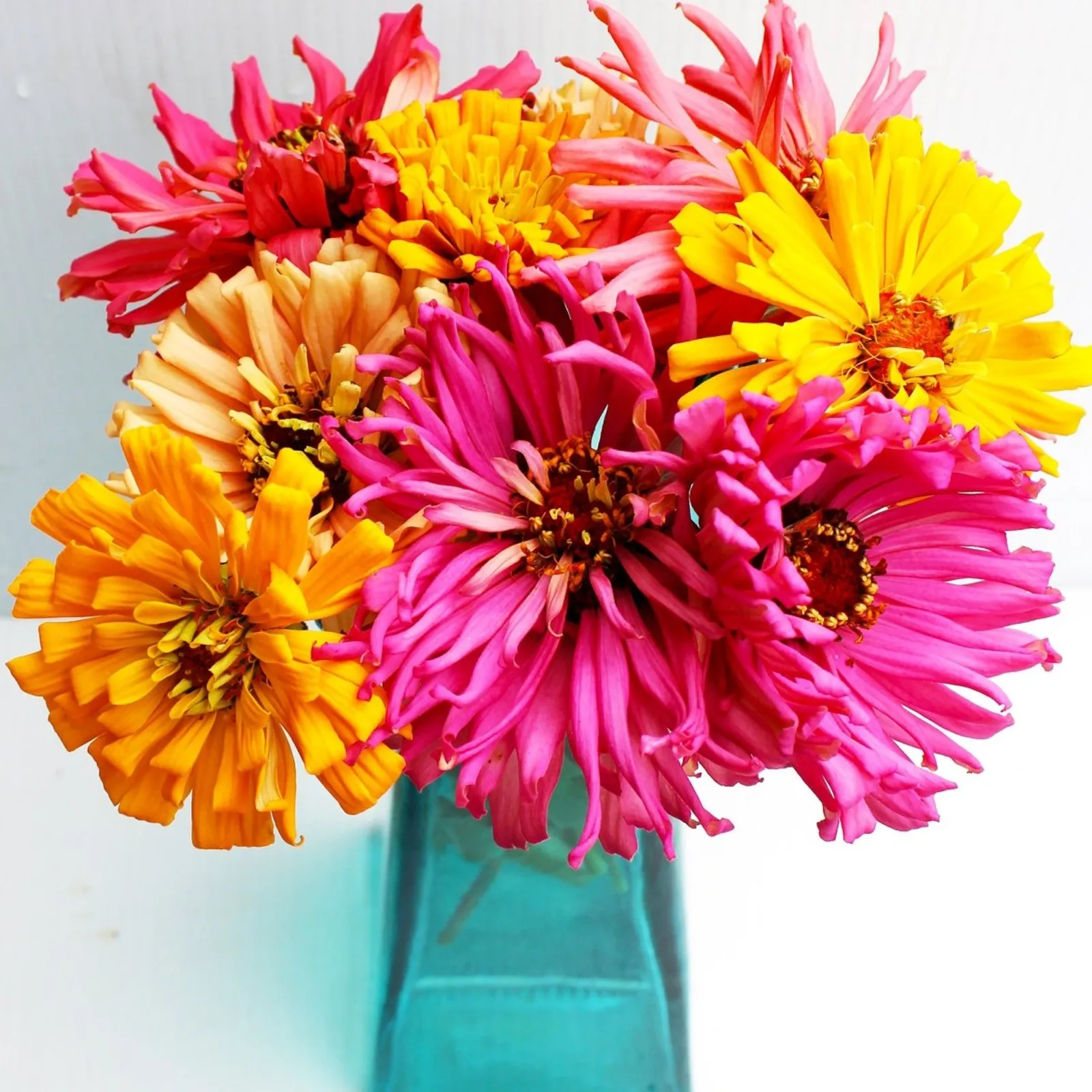
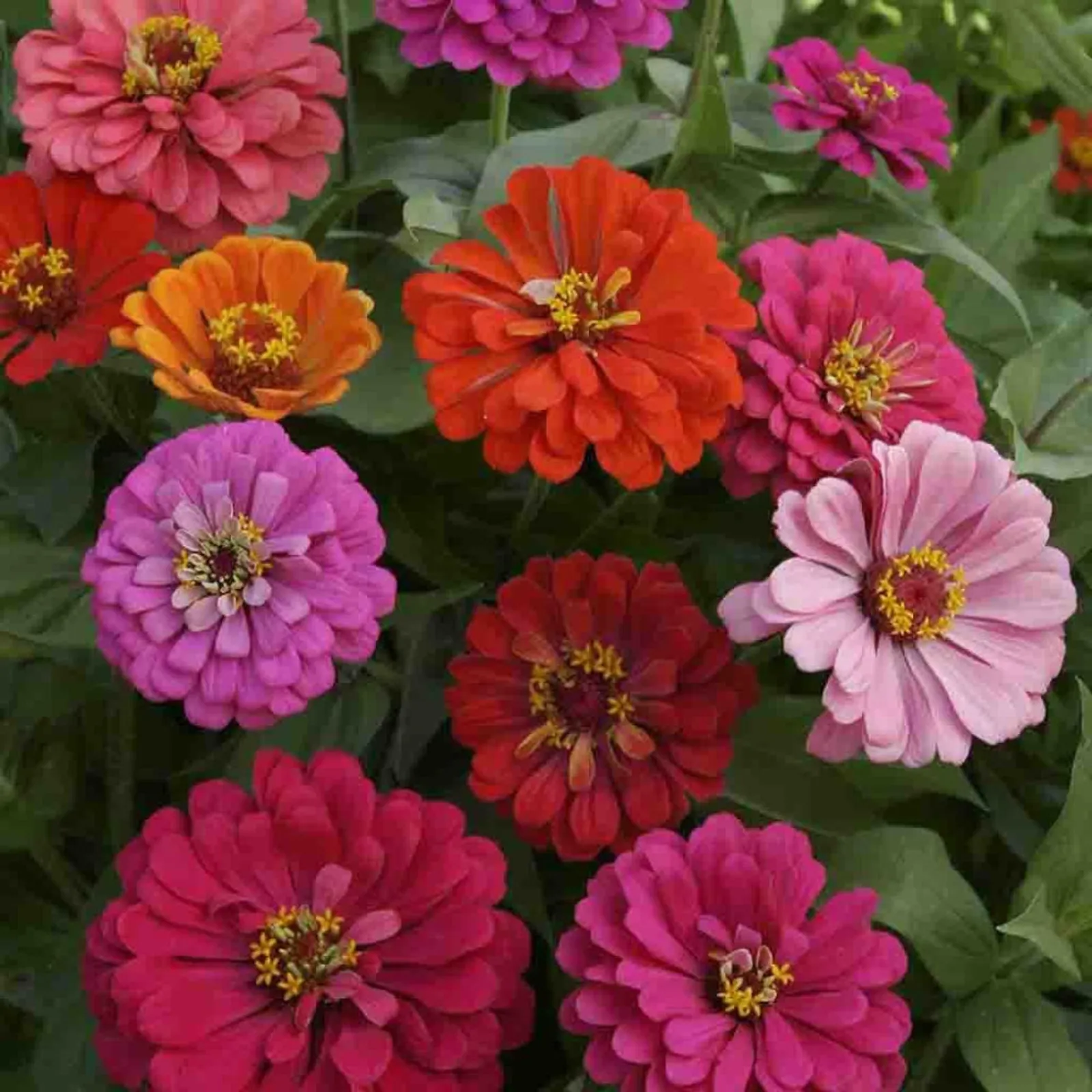
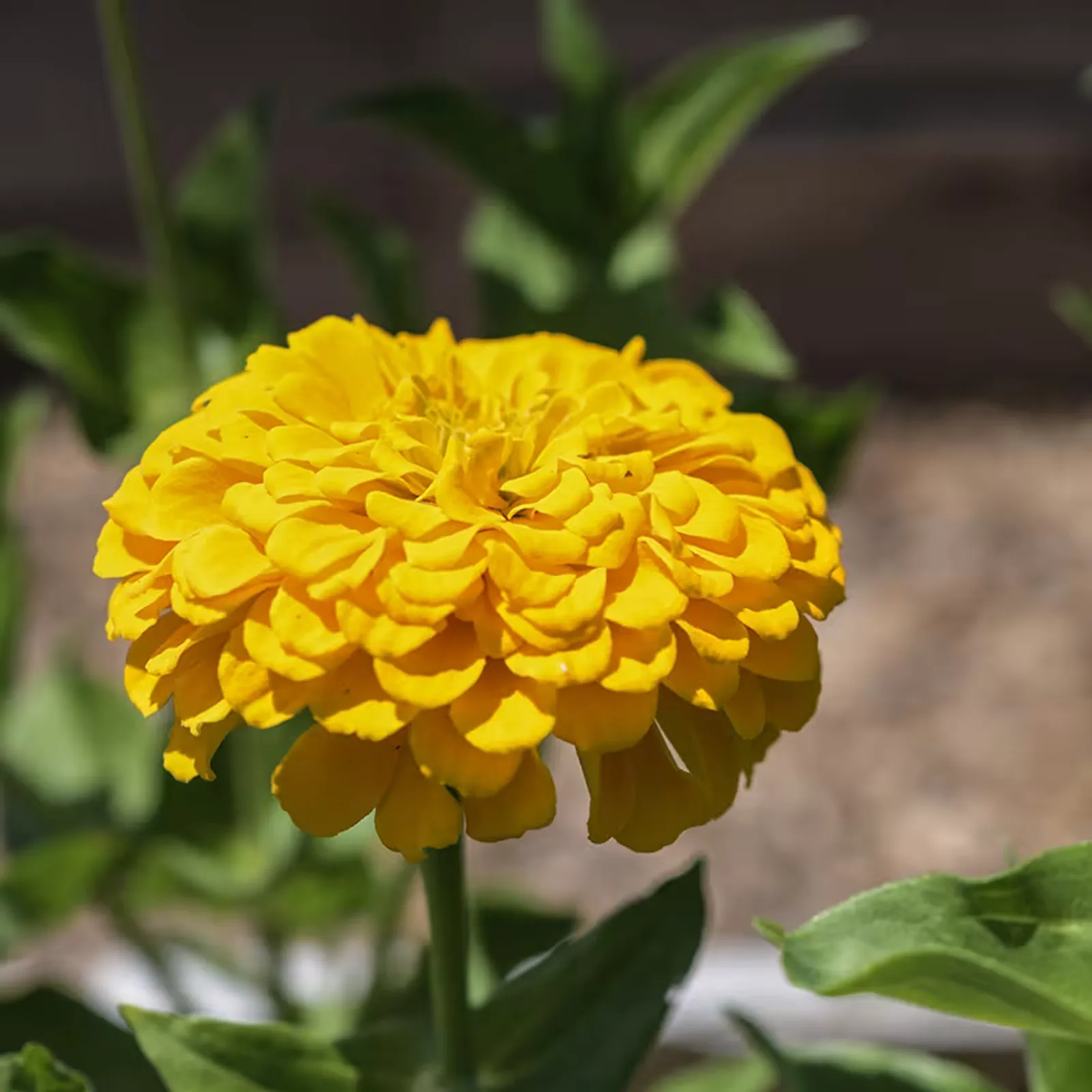
A hot-weather lover, zinnias are easy to grow and love organic, rich, well-draining soil. Dwarf varieties are excellent for containers and garden edging, while the stately Benary's Giant and Queeny series provide long stems and mostly double flowers perfect for a cutting garden. A cut-and-come-again flower, zinnias continue blooming after each cut. Zinnias range in colors from primary reds, yellows, oranges, pinks, and purples, the Queeny Lime series with lime petals dusted with colors, Mazurka, a striped red and white, Zowie™ Yellow Flame with electric magenta to orange to yellow petals. Growers are busy developing new varieties of zinnias with softer colors, so keep your eye out for new varieties!
How to Grow Zinnia
Quick Info


Put away the pen and paper
Plan your veggie garden in minutes with Planter's easy drag and drop planner.
Try Planter for Free
Varieties
Related Articles
Pests
Diseases
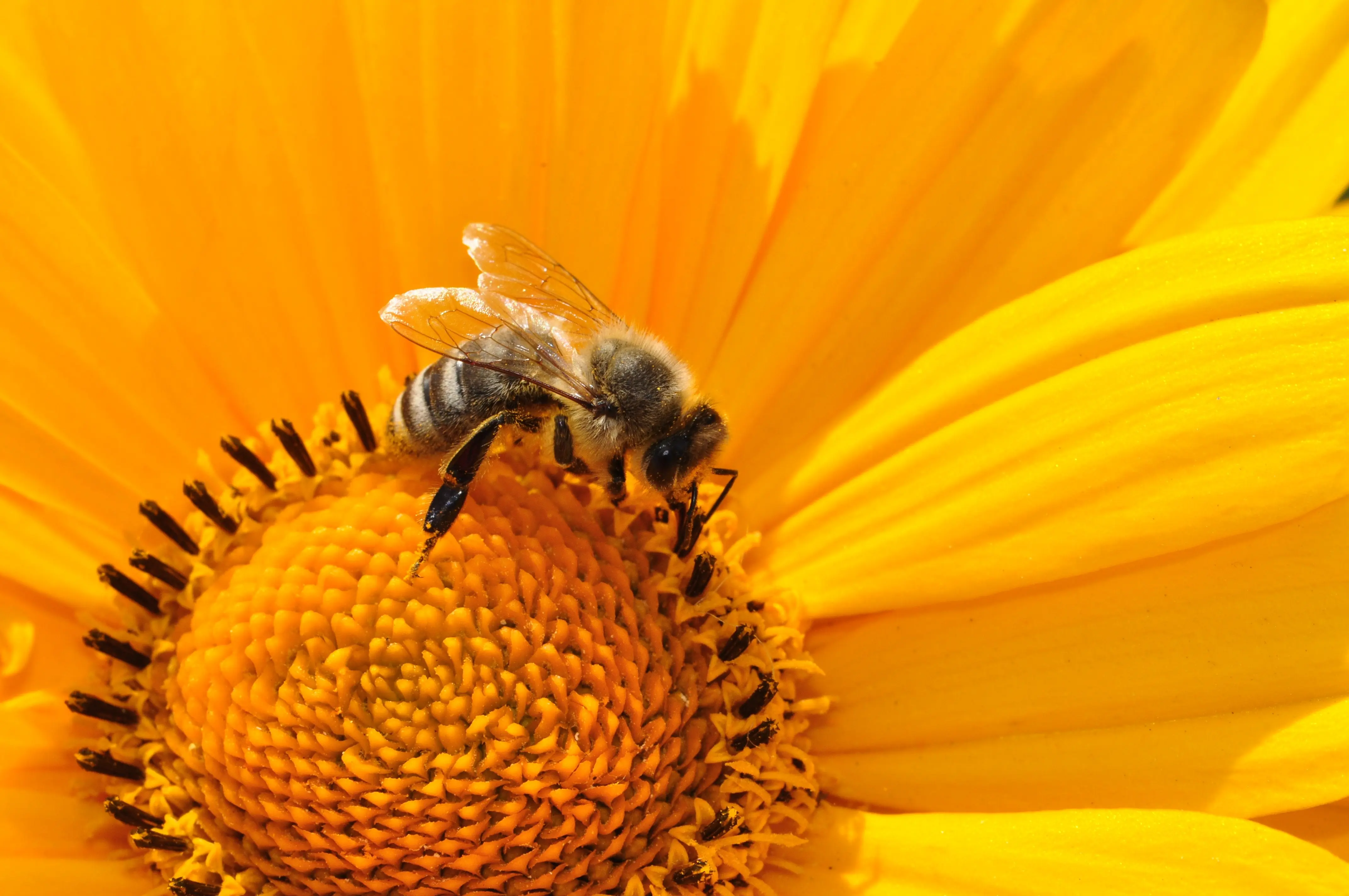
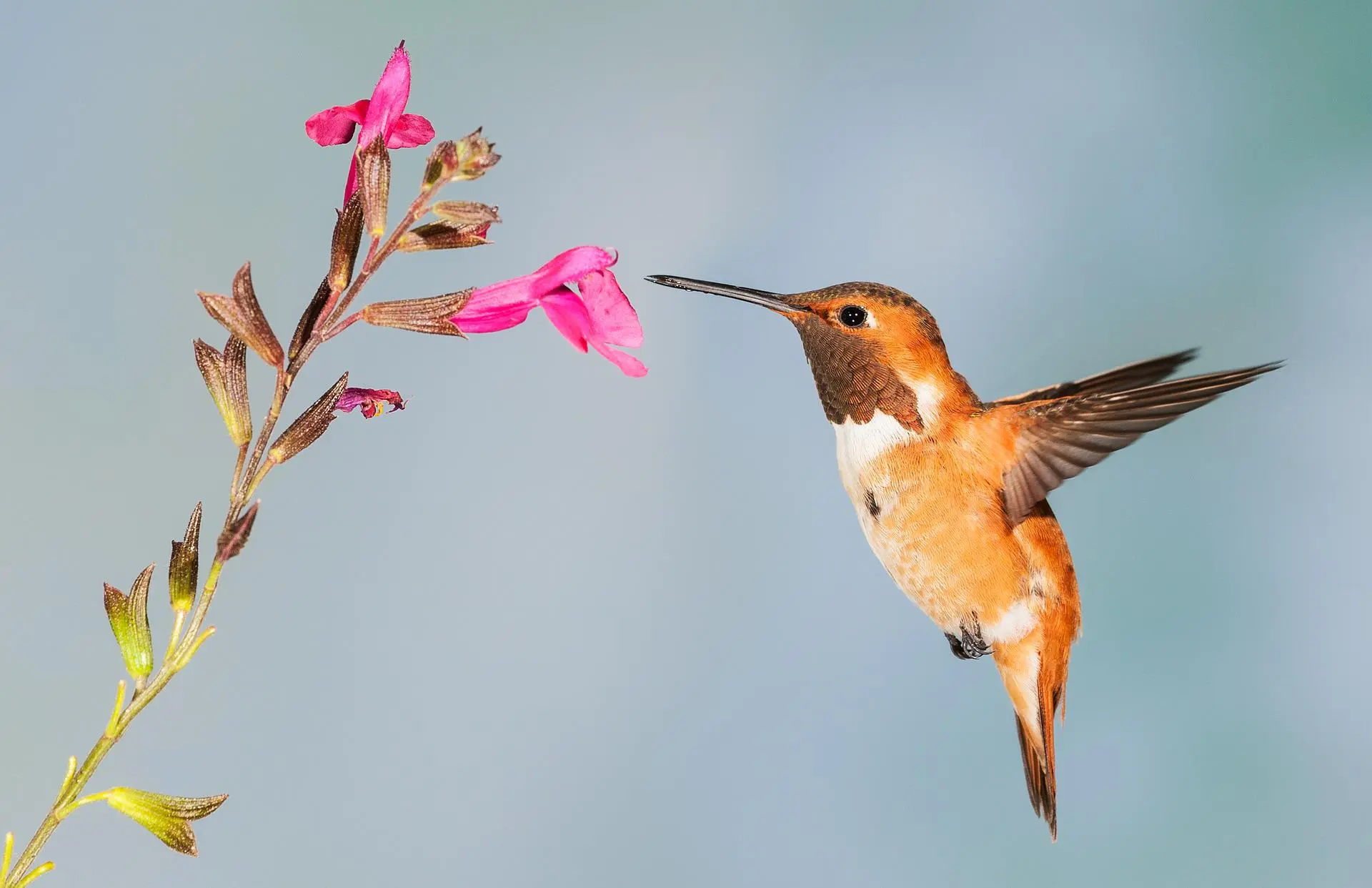
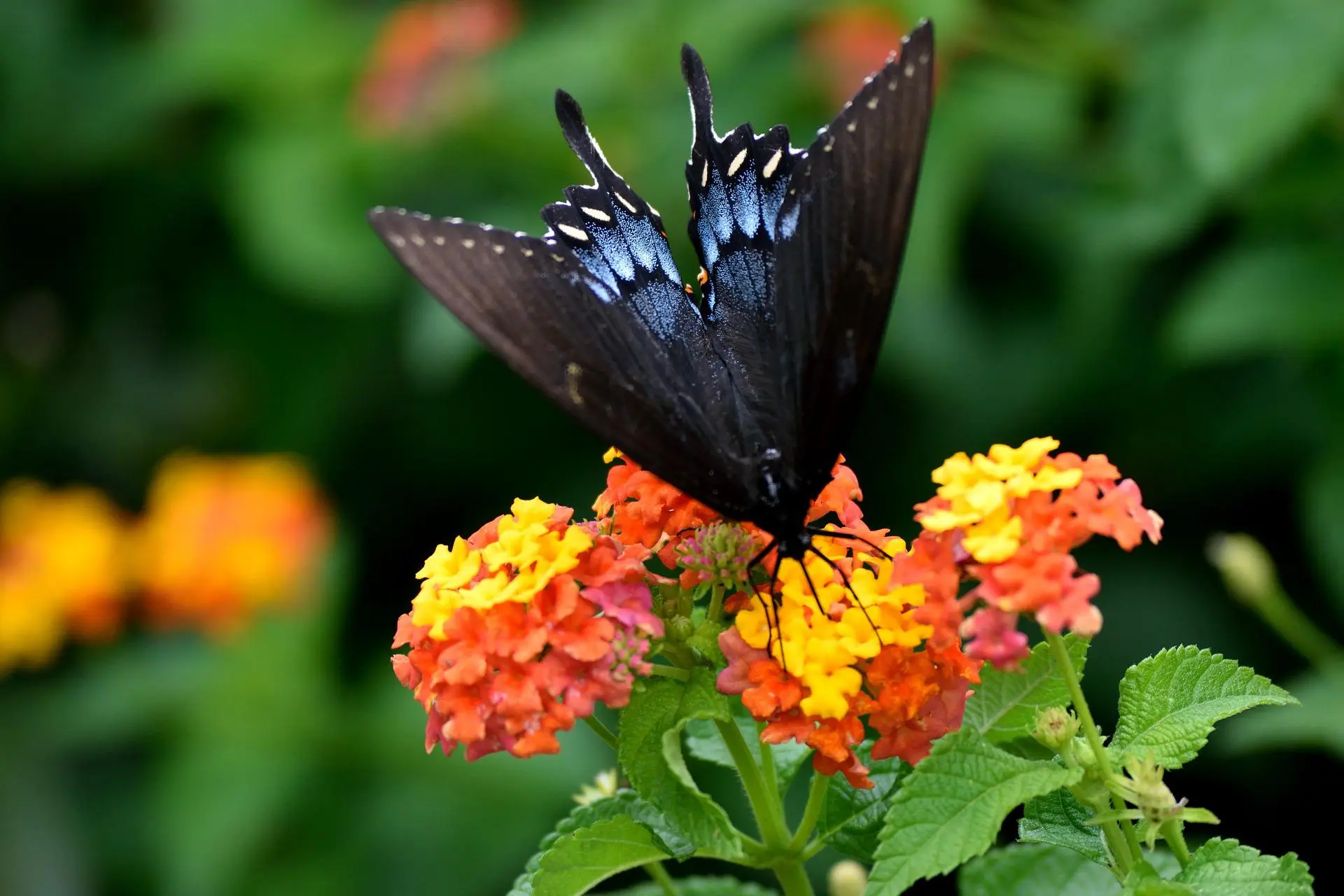
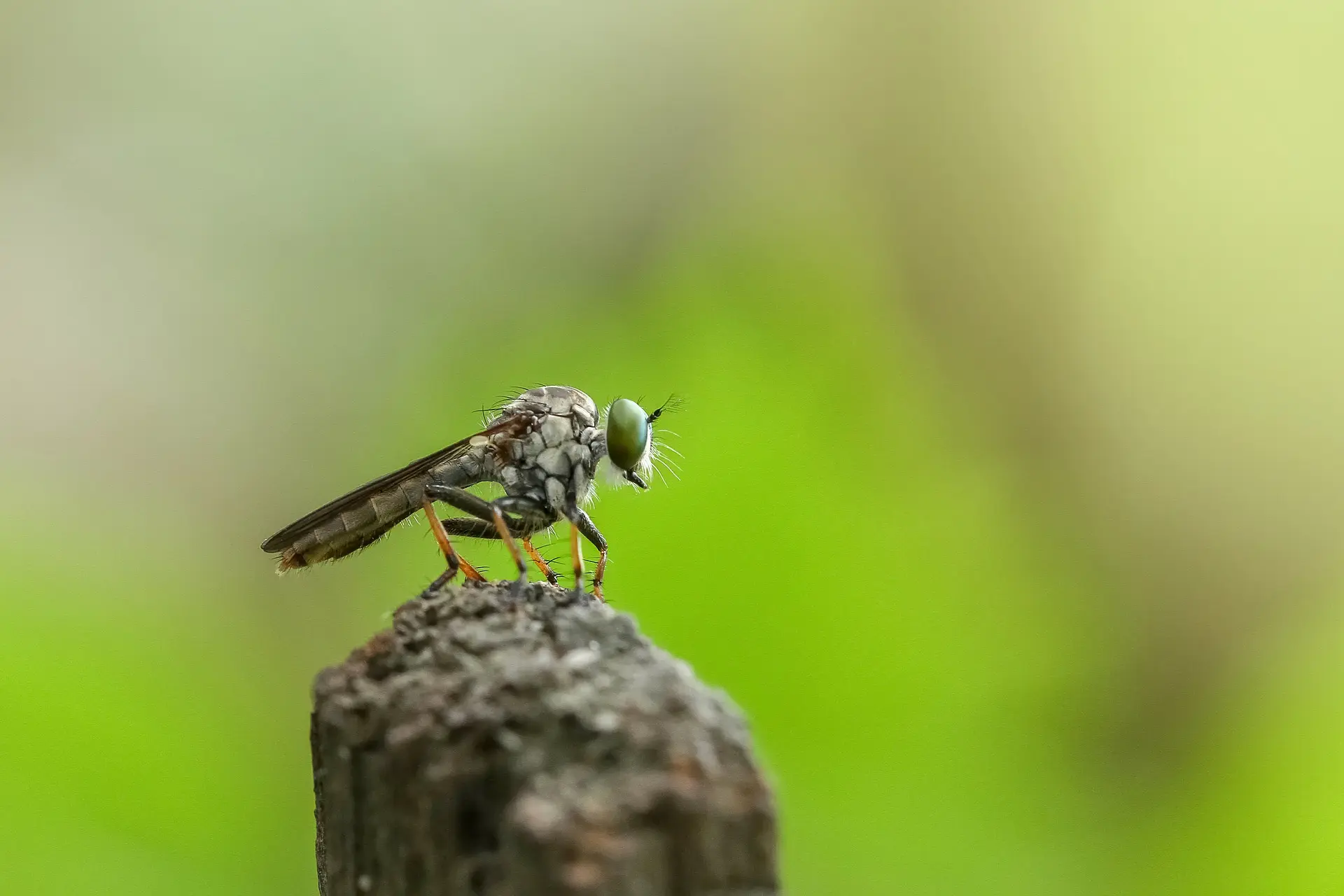
Beneficial Critters
Growing from Seed
Zinnias are easily grown from seed, keep planting medium evenly moist. Give your garden a head start by sowing indoors.
Planting Considerations
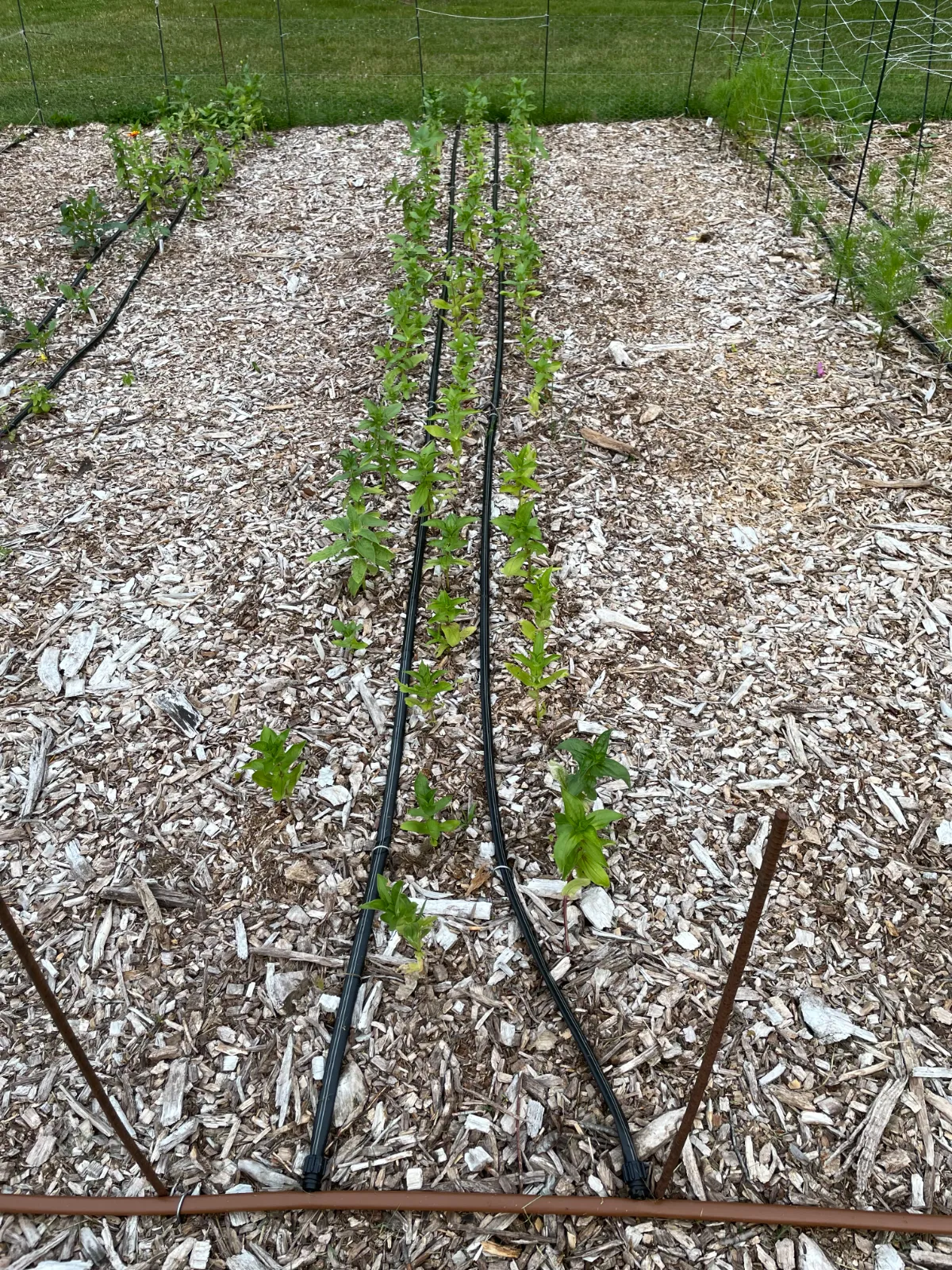
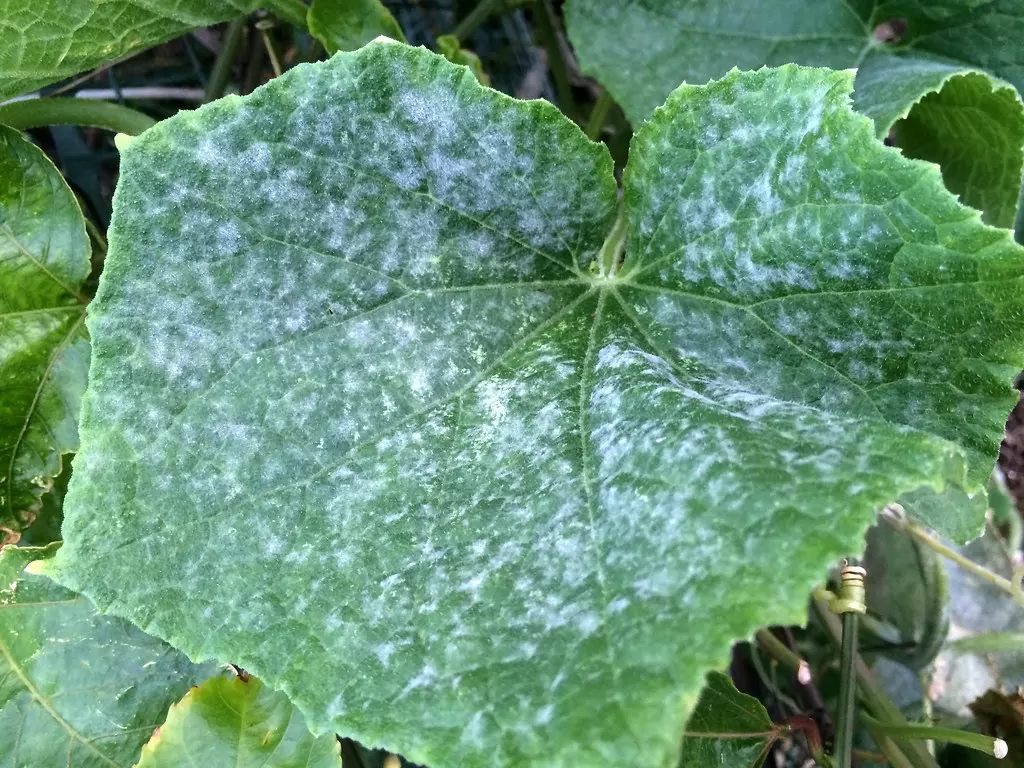
Zinnias are extremely prone to powdery mildew. To minimize disease, do not water overhead. To keep picking for healthy cut flowers through the summer, add 2-3 succession plantings 2-3 weeks apart.
Although varieties can grow tall, they are sturdy and don't typically need staking. Benary's Giant series do benefit from nylon netting.
Feeding
Fertilize zinnias monthly with a high phosphorus mix.
Harvesting
Zinnias can be tricky to pick! Flowers need to be fully open or they will bend at the neck. Alway do the "wiggle test:" gently grab the stem about 8" (20 cm) from the flower and wiggle the stem back and forth. If the stem stays firm, it's ready to pick. If the flower bobbles loosely, it's not yet ready to pick.
Do not store zinnias in a cooler or refrigerator after picking.