Quinoa
Chenopodium quinoa
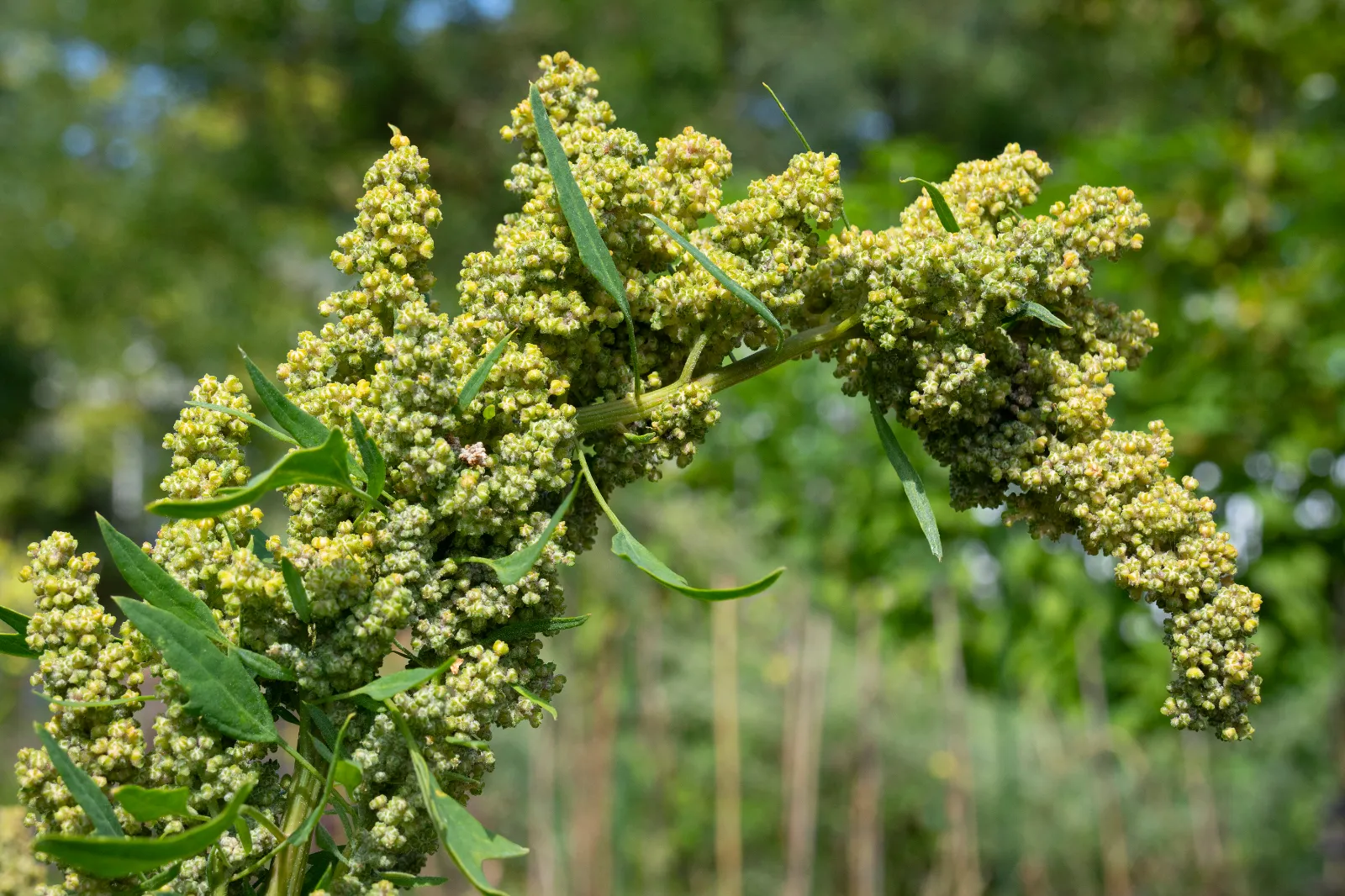
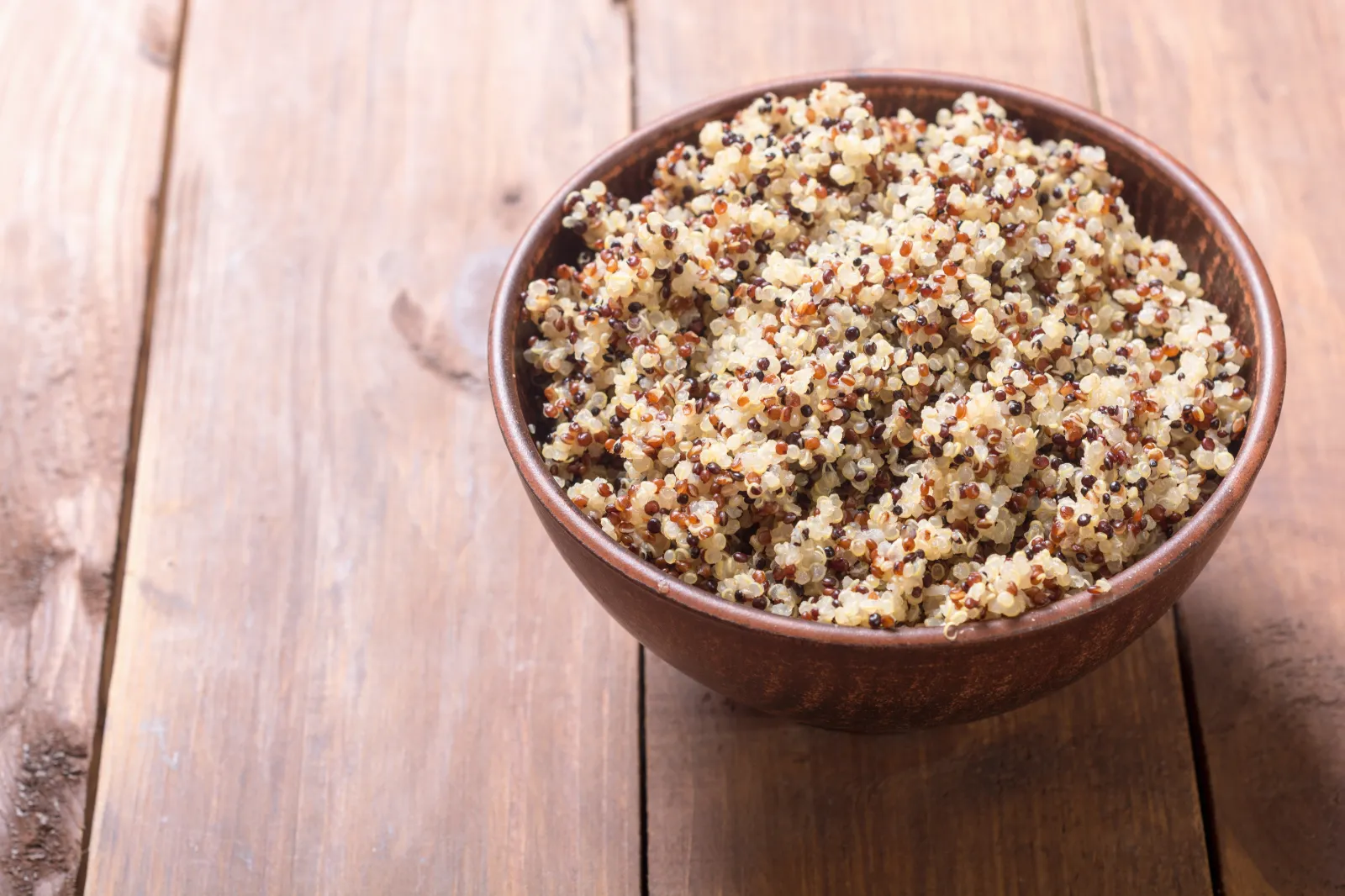
Quinoa is a ‘pseudograin’ that is native to the Andes and is primarily cultivated in Bolivia, Peru, Ecuador, and Chile. Quinoa is not a grass but a broadleaf plant in the Amaranthaceae family along with amaranth, beets, and spinach. Quinoa seeds, when cooked, have a mild, nutty flavor and a fluffy yet slightly chewy texture. The seeds can be white, brown, red, or black. Quinoa is often used as a side dish, in salads and in mixed ingredient ‘bowls’- similar to rice and other whole grains. It can be milled into flour and puffed into cereal or snacks, and the leaves can be cooked and eaten as greens. The culinary possibilities are truly endless. Quinoa is also a nutritional superstar. It contains B vitamins, minerals, and fibre and is relatively high in protein compared to most grains. Unlike many plant-based proteins quinoa is a complete protein source- it contains all 9 essential amino acids.
How to Grow Quinoa
Quick Info

Put away the pen and paper
Plan your veggie garden in minutes with Planter's easy drag and drop planner.
Try Planter for Free
Varieties
Nutrition
Vitamins



Nutrients













Pests
Diseases
Beneficial Critters
Growing from Seed
Quinoa should be sown in spring as soon as the soil is workable (i.e., not frozen and not too wet). Quinoa is a cool-season crop that struggles in the heat. Temperatures above 95ºF (35ºC) can cause quinoa flowers to abort instead of forming seeds.
It is usually recommended to sow quinoa directly outdoors, but it is possible to start quinoa indoors to get a jump start on the season. Keep the seed starting mix consistently moist, and use grow lights to provide supplemental light as soon as the seeds germinate. Do not allow quinoa seedlings to become root bound as that can significantly decrease yields. Do not start too early and use larger plug trays and/or pot them up if needed.
To sow quinoa seed outdoors, loosen compacted soil if needed then lightly tamp down the surface using a rake or your feet to prepare a flat, even seed bed. Seeds can be hand planted or for larger areas a push seeder can be used. In dry climates quinoa seed can be planted slightly deeper to help maintain soil moisture. Water the newly planted seed in well with a gentle spray nozzle to avoid jostling the seeds.
Planting Considerations
Quinoa is primarily a 'short day' plant. This means that in areas that receive more than 12 hours of sunlight per day during quinoa's growing season it may struggle to flower and produce seed. Some varieties are better adapted for long day lengths, so be sure to choose a variety that is adapted to your area.
Quinoa may struggle to grow in very hot regions; aim to grow it during the cooler season. Adding partial shade during the hottest parts of the day may also help to keep the plants cool.
Quinoa prefers drier conditions. Do not plant quinoa in areas that can become waterlogged. Quinoa can potentially be grown in large containers but be sure the container mix is not overly fertile as this can cause quinoa to struggle. Choose a container that holds at least 10 gallons (44 L).
Quinoa is closely related to the common weed lambsquarters, and it can be hard to identify quinoa seedlings before the weeds take over. Start with as weed-free an area as possible. Planting in rows can help with differentiating quinoa seedlings from weeds. Transplanting can also help quinoa to get a jump start on weeds. Once the plants are up and growing, apply mulch to help keep weeds at bay. Quinoa seed can cross-pollinate with lambsquarters so if you want to save seed to replant be sure that the lambsquarters is not allowed to flower.
Quinoa can be a prolific self-seeder so choose a location in the garden where this will not be problematic in the future.
Feeding
Quinoa prefers soil that is not overly fertile. Working in compost at the time of planting may provide sufficient fertility; fertilize lightly if at all. Excess nitrogen can lead to 'lodging' - quinoa that falls over.
If a soil test shows specific deficiencies, amend the soil at the time of planting.
Harvesting
Spring planted quinoa is ready to harvest around mid to late summer, depending on the variety and planting timing.
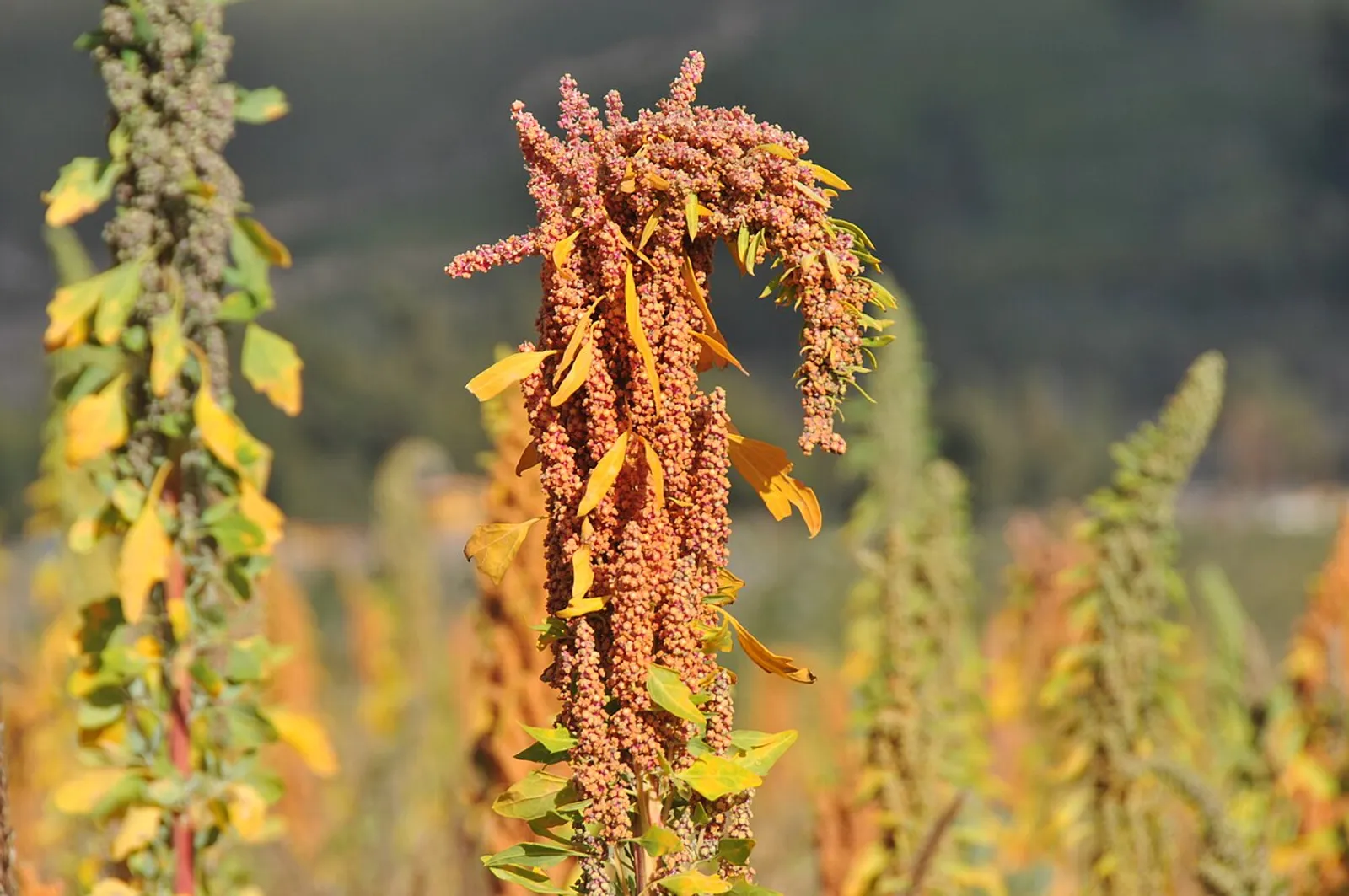
As quinoa gets ready the leaves will start to change colors to yellow and orange and will start to die back. Seeds are ready to harvest when they are barely dented when pressure is applied with a fingernail.
Harvest quinoa when conditions are dry. Quinoa that is harvested wet runs the risk of sprouting and/or rotting. To harvest quinoa use a knife or garden shears to cut off entire seed heads. Seed heads can mature at different times so you might want to be selective when harvesting. If seed heads are not fully dry at the time of harvest, leave them in a sheltered location with good airflow for 1-2 weeks to dry. Be sure to select a location that rodents cannot access.
Quinoa seed is relatively easy to thresh (remove from the heads). Lay down a tarp to catch the seeds and either rub them by hand or beat them with a broom handle or other long piece of wood until the seed heads come off and the seeds are mostly separated. Some growers build specialized tools or machines for threshing. Threshing can be a dusty task, take precautions to avoid inhaling dust or getting dust in your eyes. Before winnowing, rubbing the seed heads through a screen can help to break up any heads that are still whole and to remove excess chaff.
To winnow the seed (i.e., separate the grains from the chaff) either use a fan or work outside on a breezy day. either use a fan or work outside on a breezy day. Slowly pour out the seed in front of the fan into a large catchment container. The fan needs to be strong enough to blow away the lighter chaff but not so strong that the seed is being blown away. This will need to be repeated several times to get seed that is relatively free of chaff.
Quinoa leaves can be harvested at any stage as a leafy green, but removing too many leaves from a plant can reduce its seed yield- harvest sparingly unless you are only growing quinoa for leaves.
Storage
Before storing home grown quinoa seeds, it can be beneficial to freeze them in an airtight container or freezer-safe bag for at least three days to kill insects or larvae.
Fully dried, whole quinoa seed can be stored in airtight containers in a cool, dark, dry place for up to several months or even years. Be sure to choose a storage location and container that is insect and rodent proof. It is not generally necessary to store quinoa seeds (uncooked) in the fridge.
Most varieties of quinoa are coated in saponins- soap-like compounds that have a bitter flavor. To remove saponins prior to cooking, soak the seeds in water then swish them around thoroughly and dump out the water. Repeat until the water no longer has soap bubbles.
Fresh ground quinoa flour should ideally be used right away, but if needed it can be kept at room temperature or in the fridge for up to a few days. It can also be frozen in an airtight container or freezer-safe bags for up to several months.
Quinoa greens can be stored in the fridge in an airtight container or bag for up to several days.
Pruning
Quinoa does not need pruning; however prompt removal of seed heads can help reduce self-seeding.