Sugar Cane
Saccharum officinarum, Saccharum arundinaceum
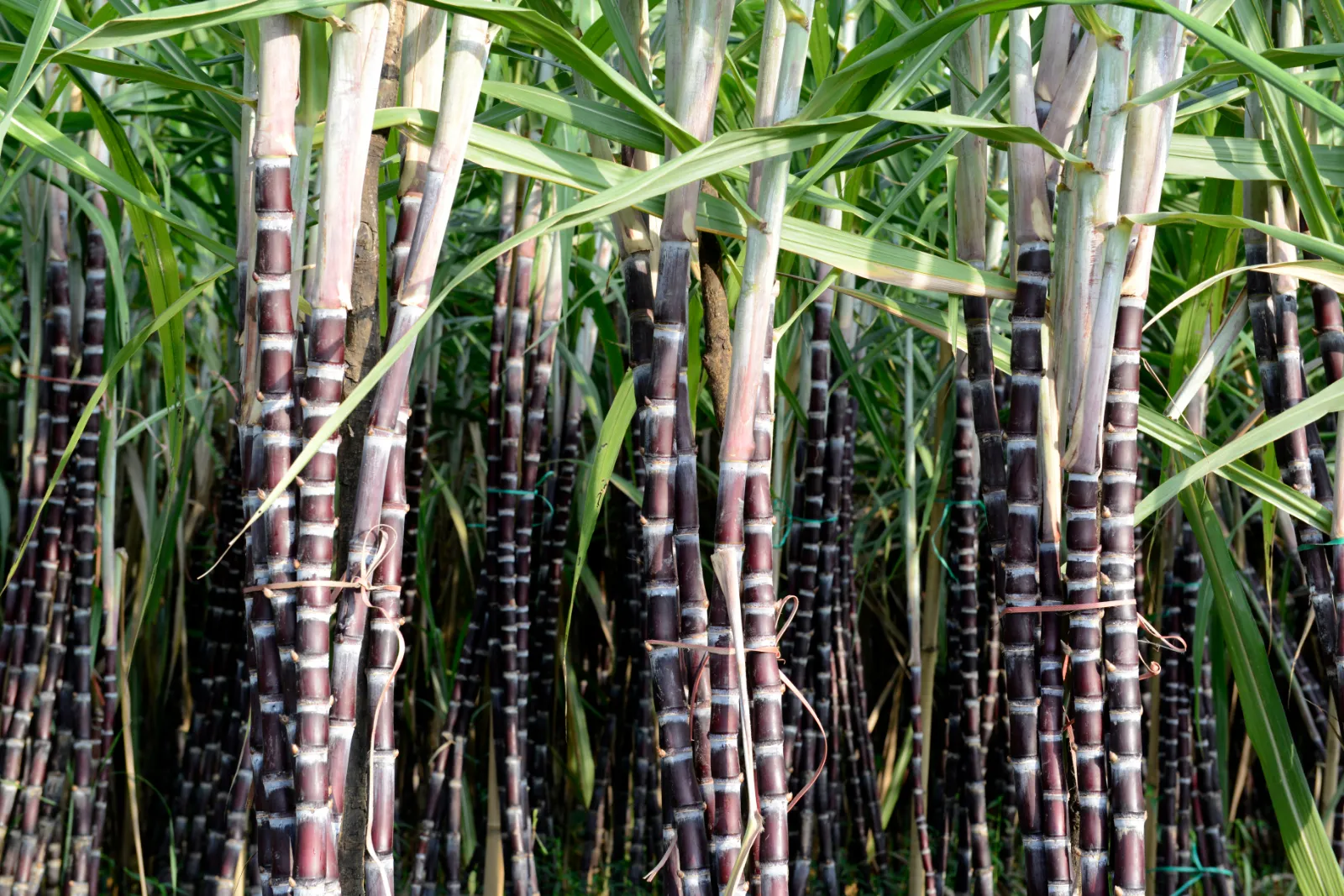
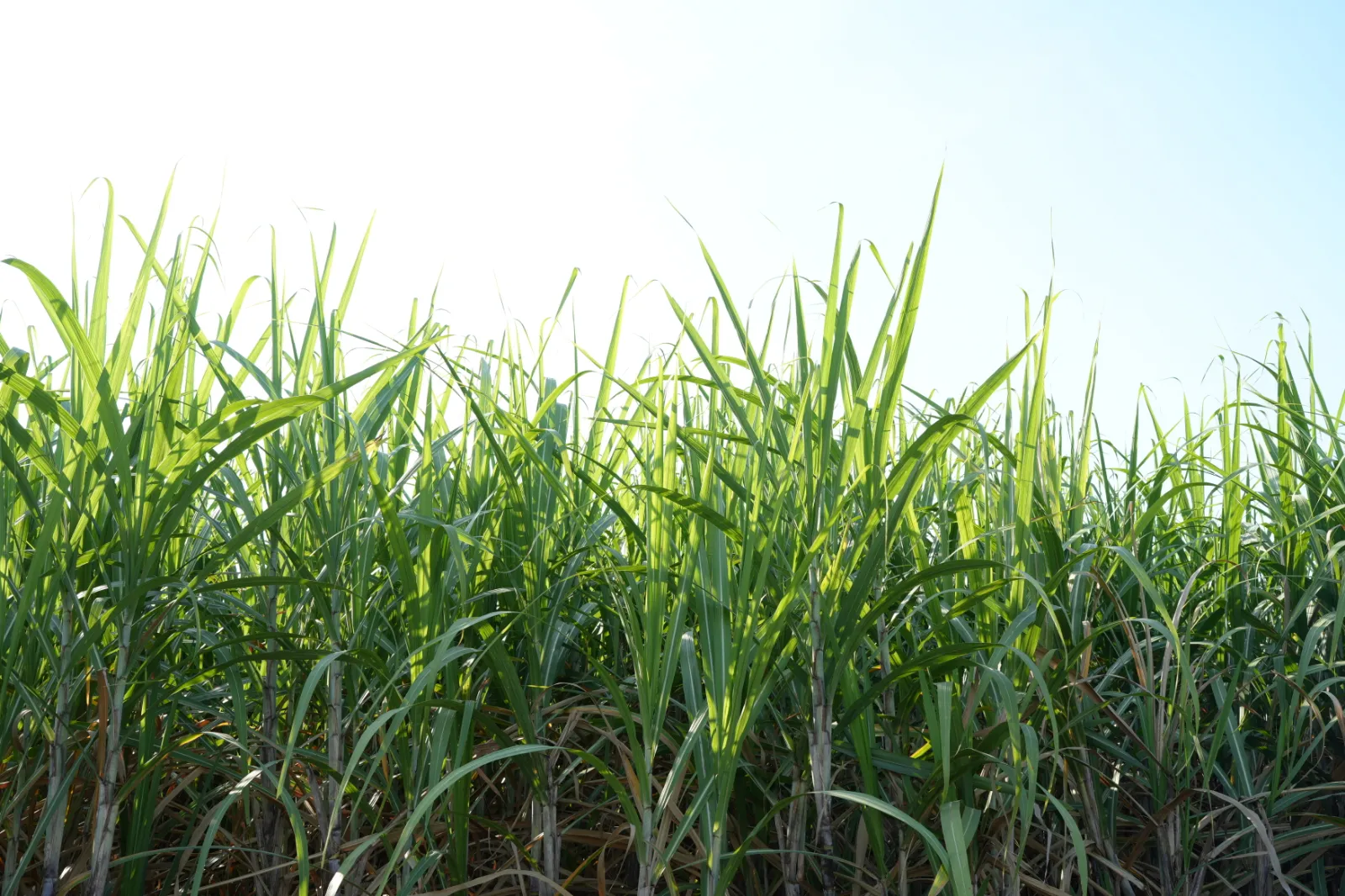
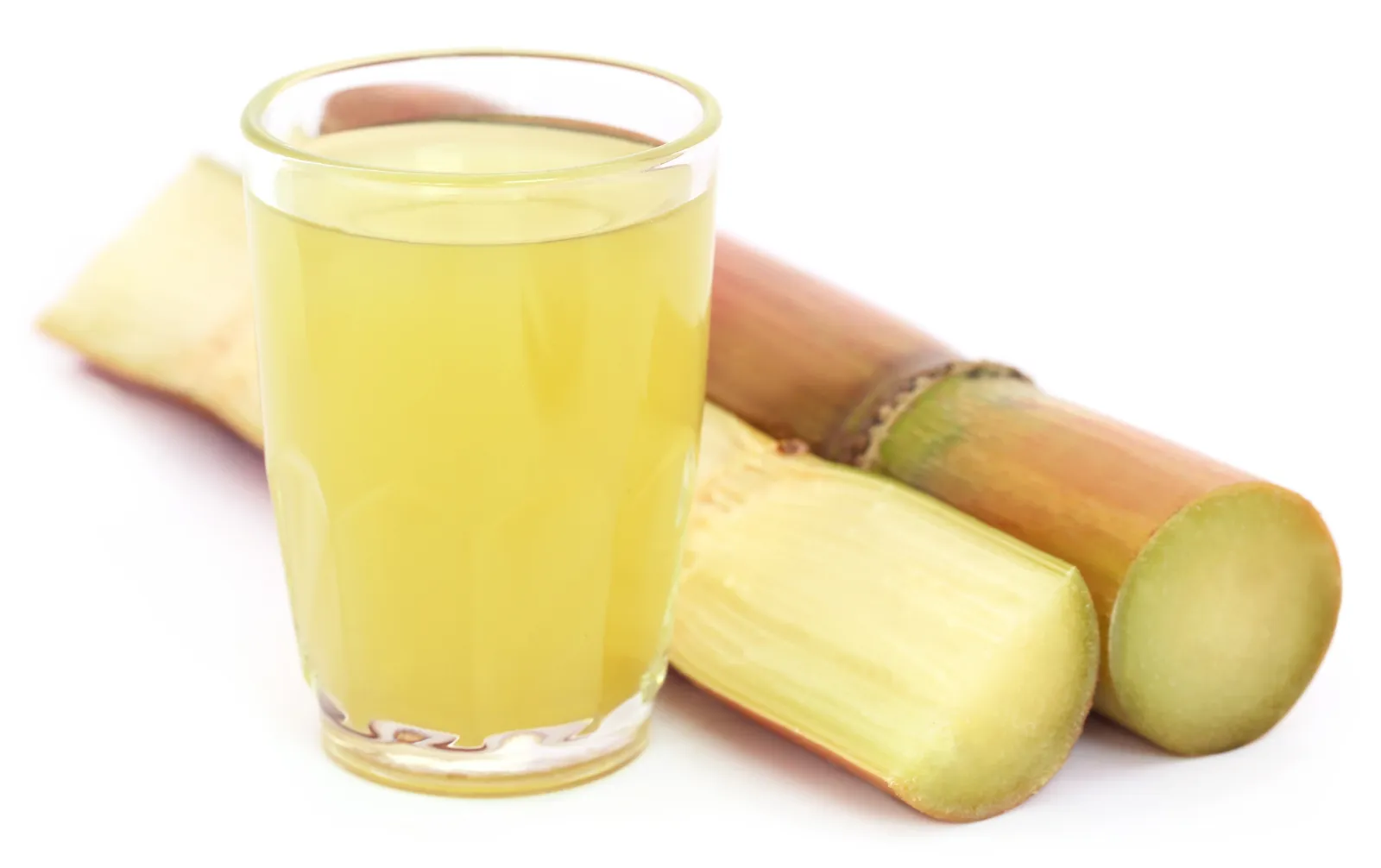
Sugar cane is a tropical perennial grass that is mainly grown for sugar and molasses production. It is hardy in USDA zones 9-11. Peeled raw sugar cane is a sweet treat to chew on and sugar cane juice is a popular beverage in many countries. The fibrous leftovers from extracting sugar cane juice are called bagasse. Bagasse has several uses; for home gardeners it may be useful for craft making or as a mulch. While sugar cane is primarily grown in warm climates, it can be grown as an ornamental annual in cooler climates. Sugar cane stems come in various colors and can be quite attractive. There is also a cold-hardy ornamental variety, Saccharum arundinaceum, that is hardy down to zone 7 but is not edible. Sugar cane is a versatile plant that can provide privacy, add shade to the garden, and can also act as a windbreak.
How to Grow Sugar Cane
Quick Info


Put away the pen and paper
Plan your veggie garden in minutes with Planter's easy drag and drop planner.
Try Planter for Free
Nutrition
Nutrients








Pests
Diseases
Beneficial Critters



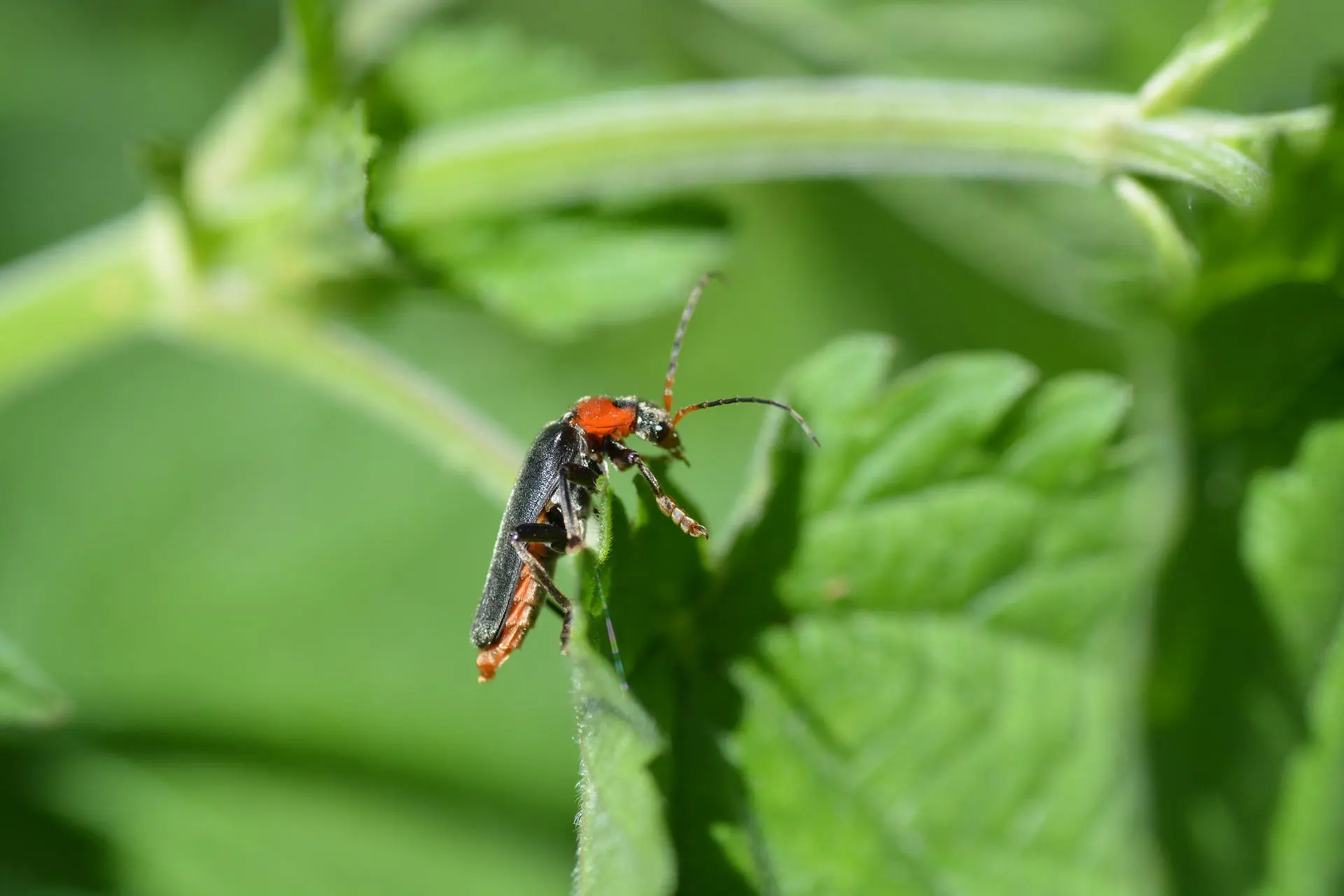
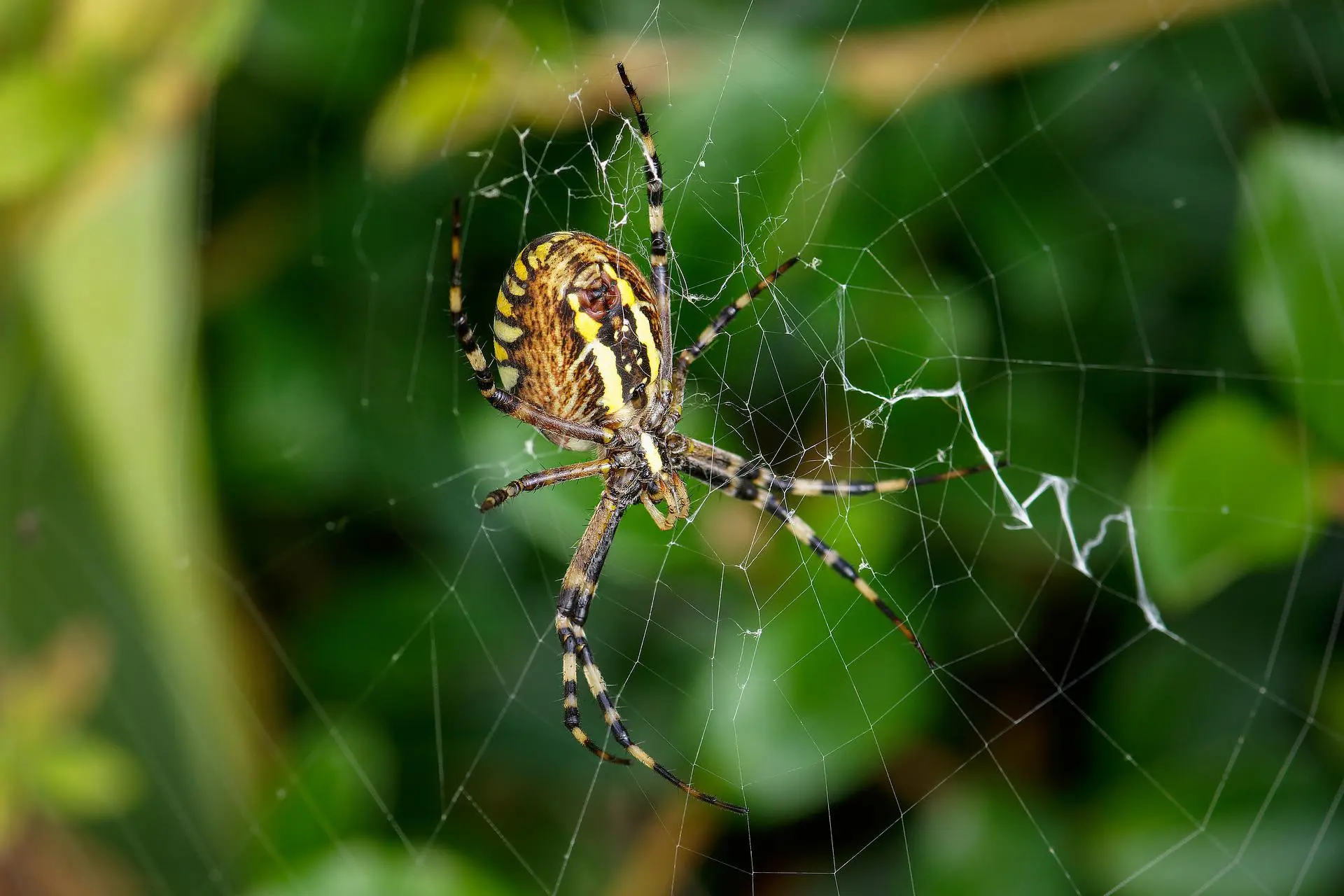
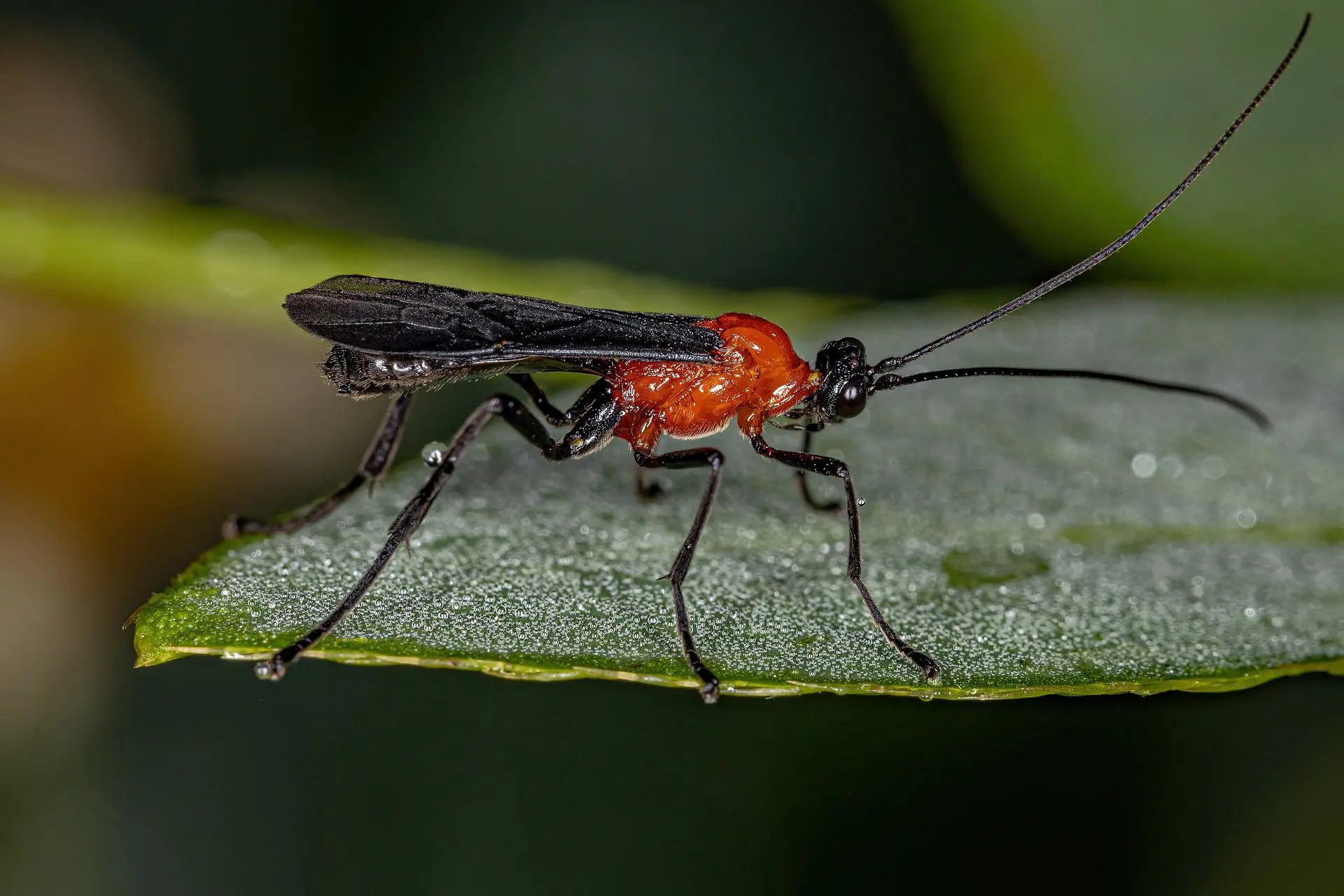
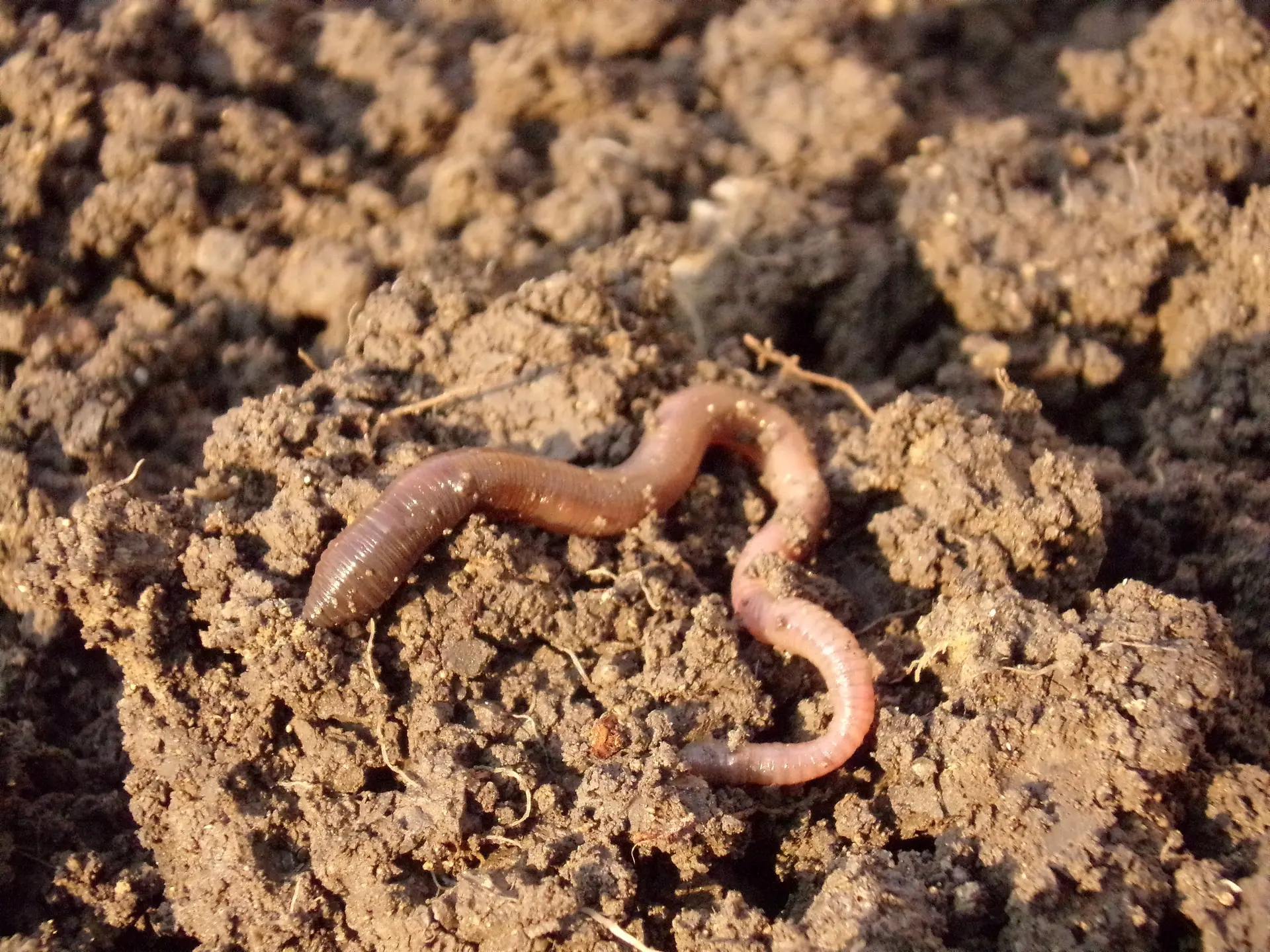
Growing from Seed
Sugar cane is not typically grown from seed. Most sugar cane seeds are sterile, and those that germinate will not have the same characteristics as the parent plant. Sugar cane is usually grown from setts (also called 'seed cane')- stem cuttings that will root. It's best to purchase setts from a reputable supplier and to choose varieties that are adapted to your climate and preferences. However it is possible to root grocery store sugar cane. In warm regions pre-sprouting indoors is optional but it can still be beneficial as it is easier to keep them consistently moist and only canes that have sprouted will be planted out- potentially saving time and space.
The sugar cane stem should be cut into pieces that have at least one 'node' (looks like a ring around the stem). Place the node end in water (leave some stem above the water level) and let it soak for at least 24-48 hours to rehydrate. It is possible to root sugar cane stems in water, all that's needed is to change the water every few days. Otherwise after the node is soaked it can be planted upright in a loose potting mix (cover just the node, not the entire stem). Keep the potting mix consistently moist but not wet.
Sugar cane is ready to transplant once roots have formed and a sprout is visible. In cool climates it may be best to sprout sugar cane and then plant it in a pot indoors and let it grow for several months before transplanting outside.
Planting Considerations
In warm regions, sugar cane can be planted either in fall to early winter, or in early spring. If planting in fall or winter do not pre-sprount the sugar cane; let it sprout naturally in spring. In cool areas sugar cane should be transplanted a few weeks after the last frost in spring.
Choose a planting location with good drainage, and make sure the soil is loose so the plants can easily root in and anchor themselves. Transplant pre-sprouted sugar cane with the new sprout pointing upwards and out of the soil. If planting sugar cane pieces directly outdoors (without pre-sprouting), they can be planted sideways in trenches and covered with roughly 3" (7.5 cm) of soil.
Once the plants are established, apply mulch to help manage weeds and retain moisture.
Feeding
Sugar cane benefits from light fertilization with a balanced fertilizer. Working in compost at the time of planting can also help with fertility. Excess nitrogen can lead to 'lodging' - sugar cane that falls over.
If your soil test shows other deficiencies, amend it at the time of planting.
Harvesting
Sugar cane can technically be harvested at any time but younger plants may have little to no stored sugar (and most of it is concentrated in the lower part of the plant). For the best yield canes are usually harvested just before flowering, roughly a year to a year and a half from planting. Flowering stops the production of sugar in the plant and eventually will use up the sugar reserves.
Harvest sugar cane by cutting the stem off near the soil level with a sturdy knife or loppers. Try to cut the stem as cleanly as possible. In areas where sugar cane is a perennial, roots that are left in the ground will regrow and form new canes.
Cut off the topmost leaves and remove any remaining leaves by hand. If needed, wipe off the stem with a damp cloth to remove any loose dirt. Cut the cane into manageable pieces for transporting and storage.
Storage
Sugar cane stems can be stored in the fridge loosely wrapped in a plastic bag for up to several weeks. They can also be frozen in containers or freezer-safe bags for up to several months. For the longest storage life, peel sugar cane just before eating.
Chewing on raw sugar cane is a delicious treat (do not swallow the fiber, just the juice). Sugar cane can be juiced, and the juice can be reduced to make a syrup. It can also be cut up into skewers or stir sticks.
Pruning
Sugar cane does not need pruning however it can be cut back to keep the size in check.