Avocado
Persea americana
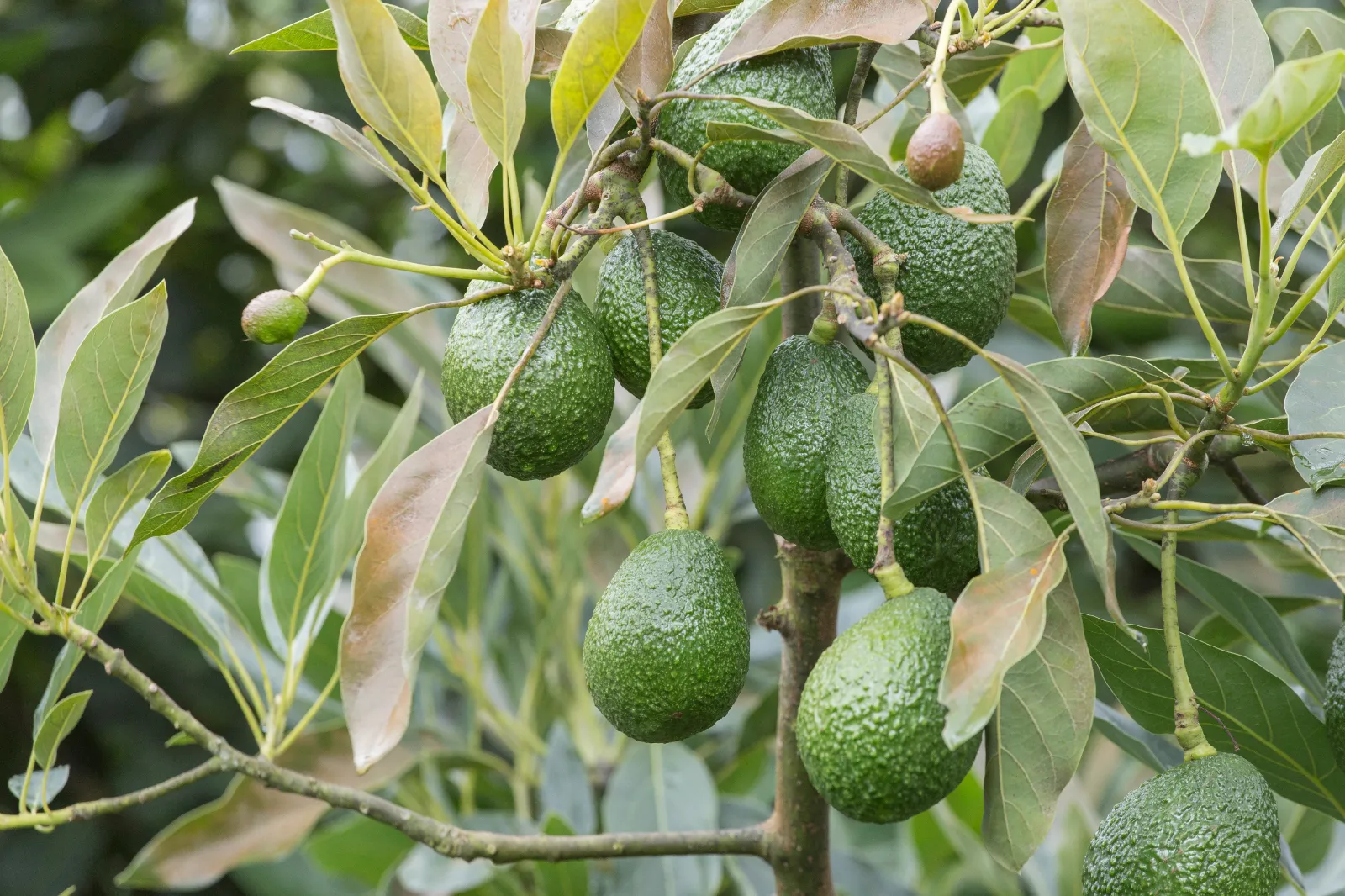
Avocados are a popular fruit, best known as a key ingredient in guacamole. They are very nutritious and are considered to be a "superfood". Avocados thrive in tropical or subtropical climates and most types grow well in USDA hardiness zones 10-12, although Mexican type avocados are slightly cold-hardy. There are also dwarf avocado varieties that can potentially be grown in containers.
How to Grow Avocado
Quick Info


Put away the pen and paper
Plan your veggie garden in minutes with Planter's easy drag and drop planner.
Try Planter for Free
Related Articles
Nutrition
Vitamins




Nutrients







Pests
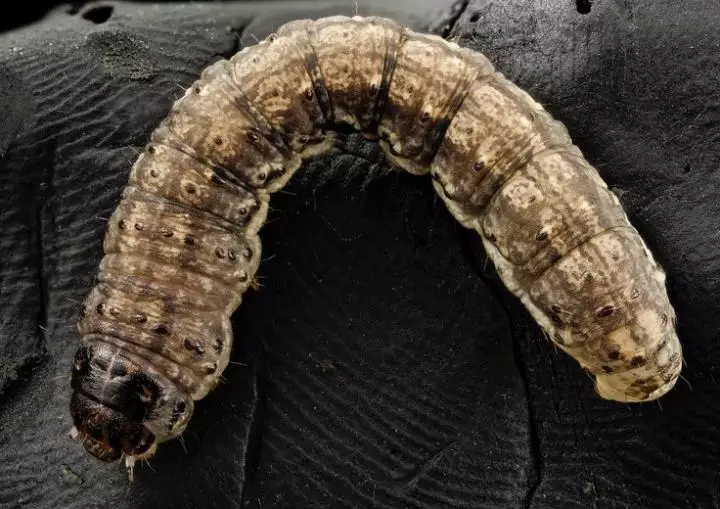
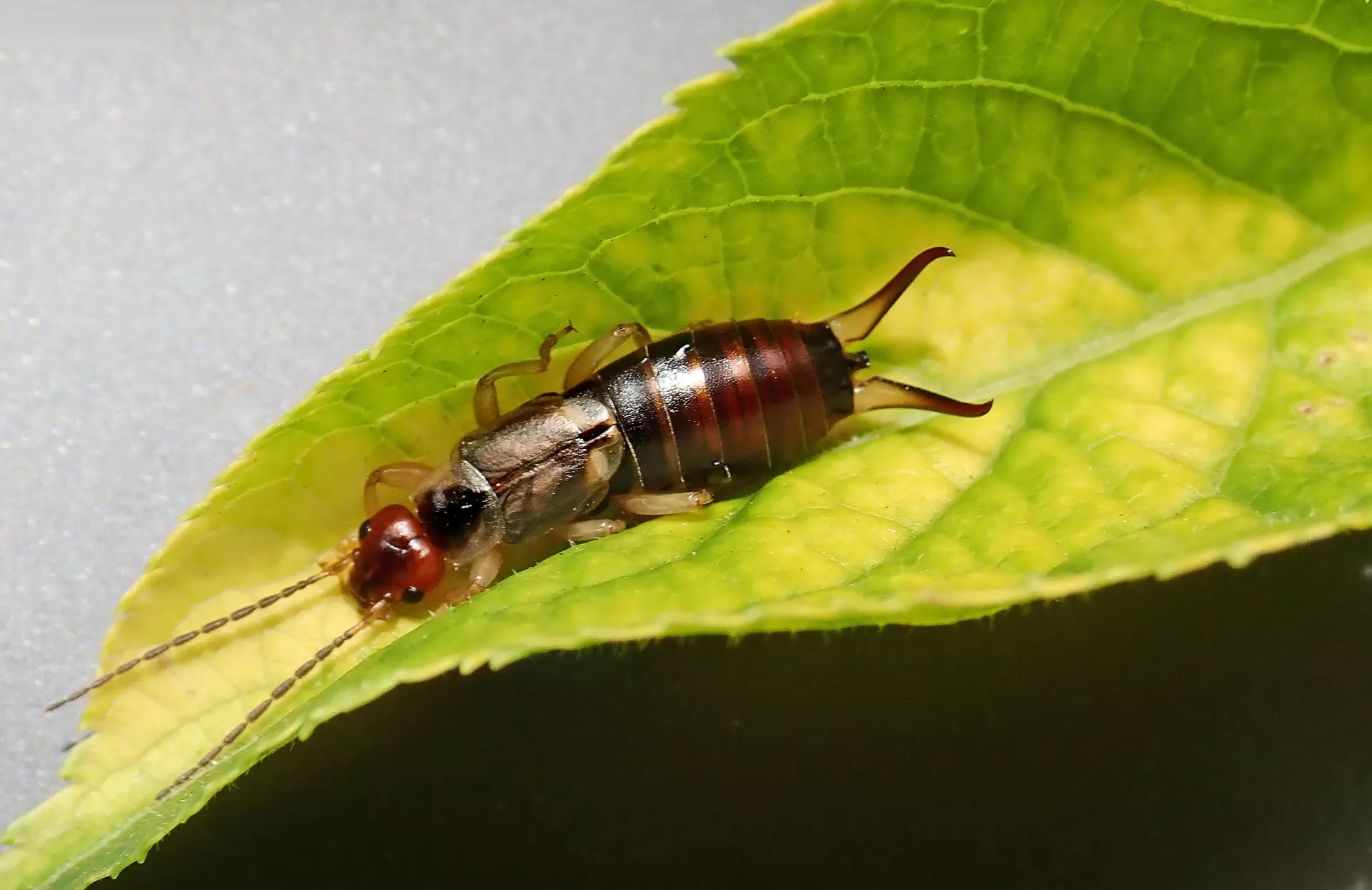
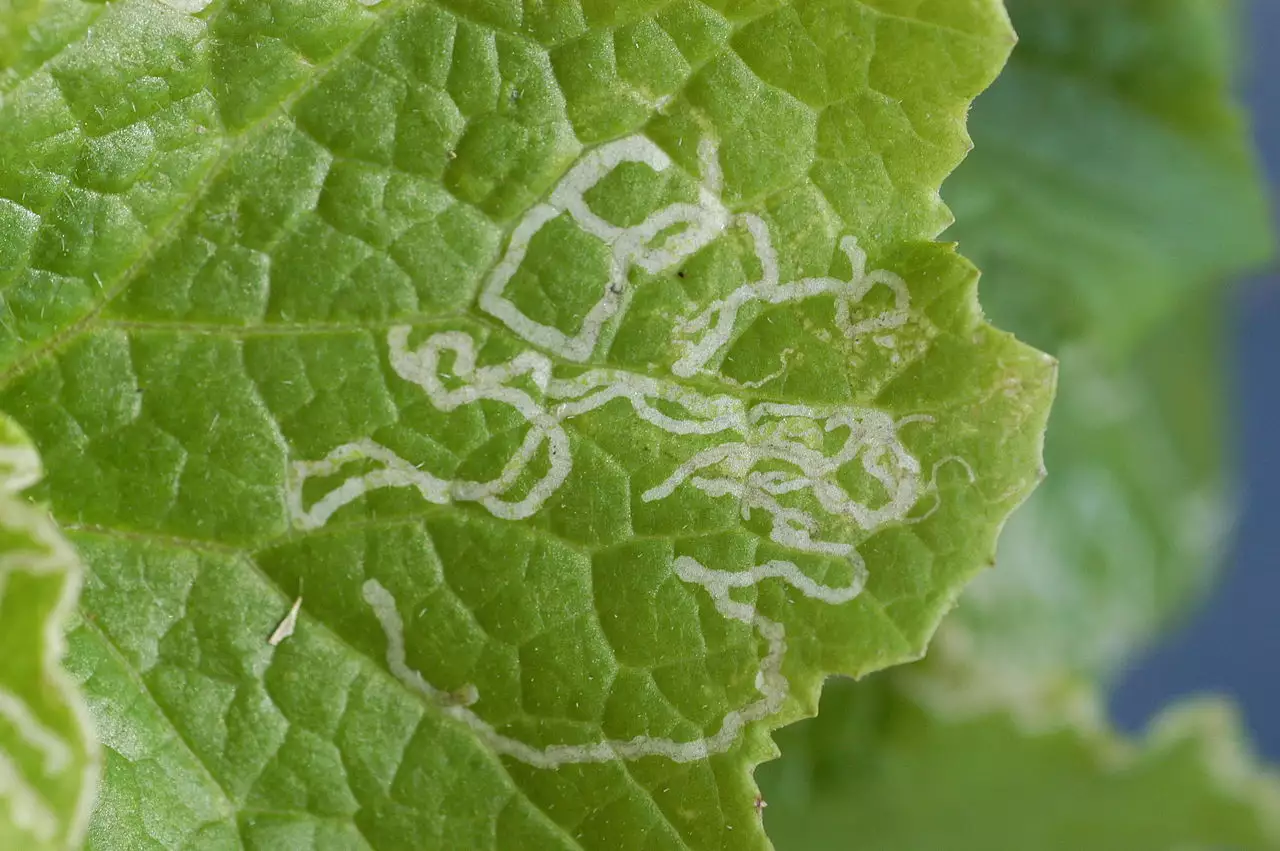
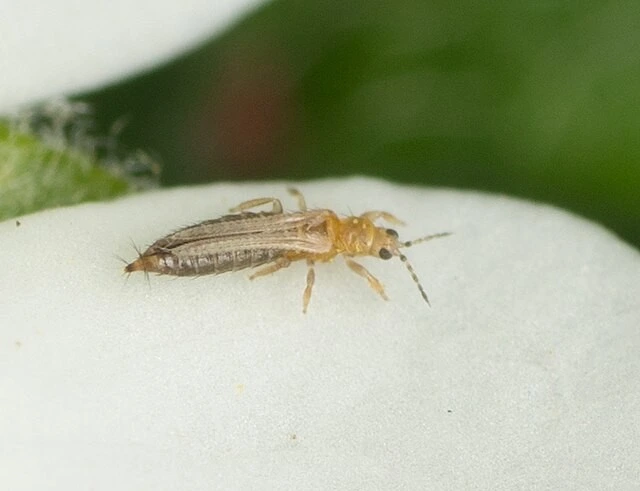
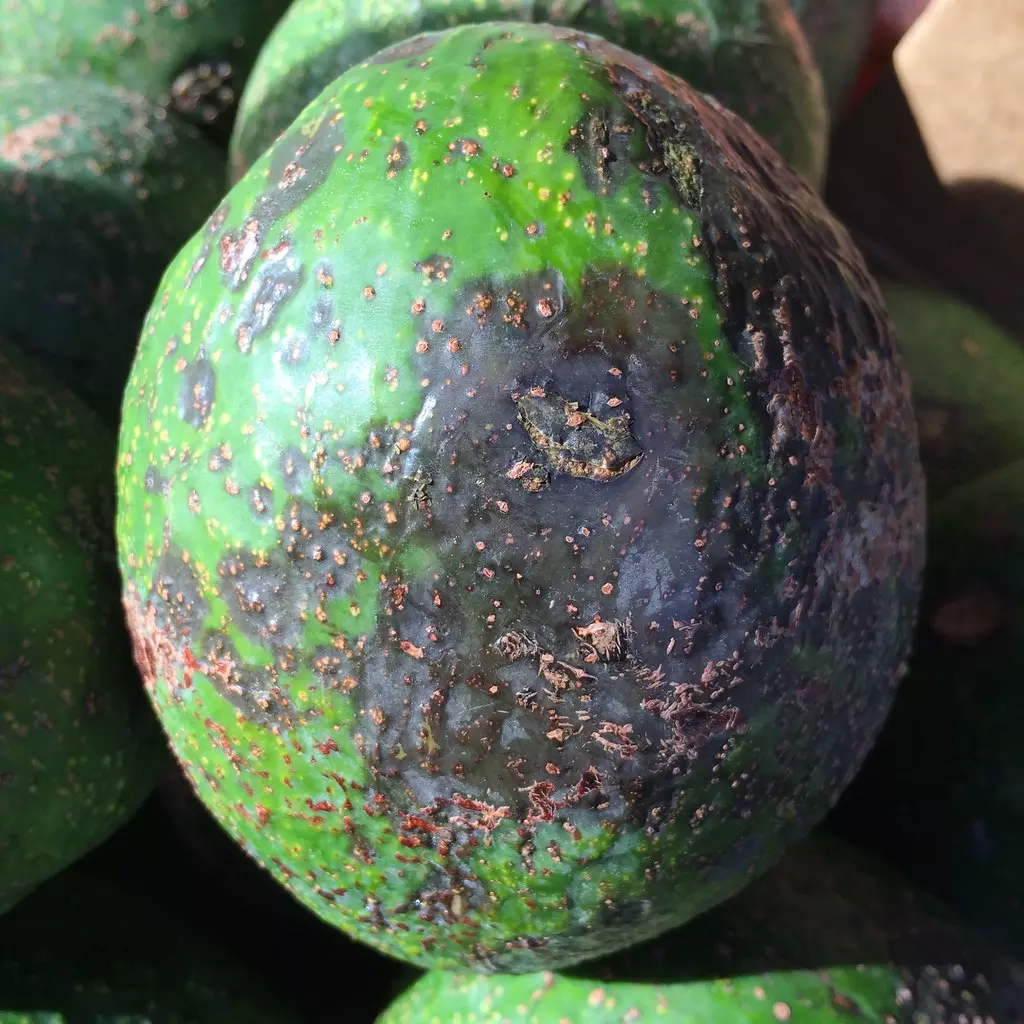
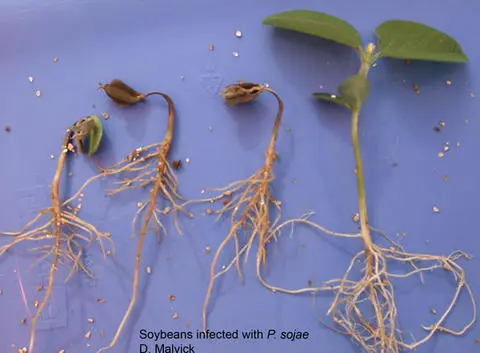
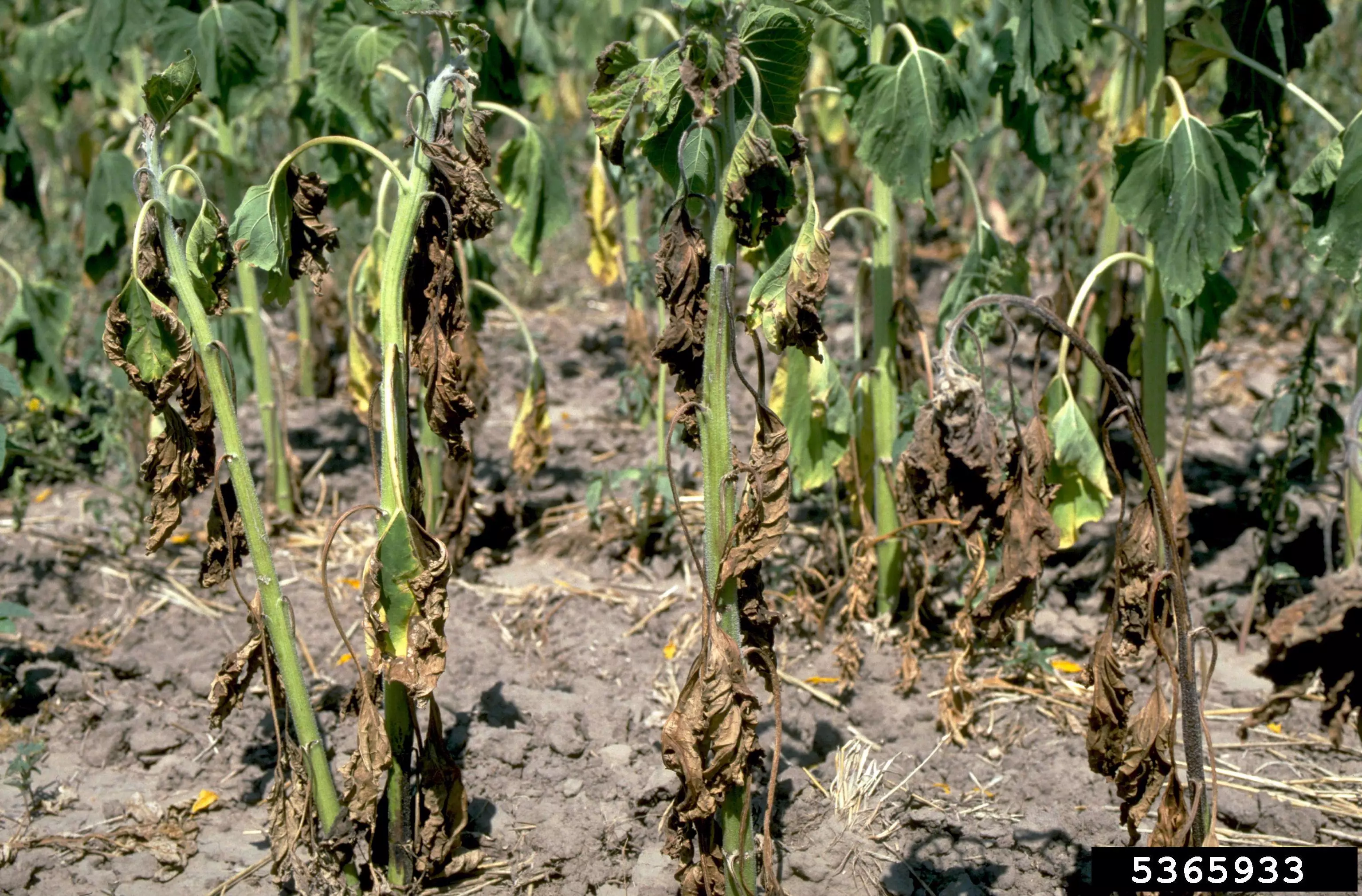
Diseases
Beneficial Critters
Growing from Seed
While avocados are typically grown from transplants, it is possible to grow them from seed, although it can be tricky. To grow an avocado from seed, use a large pot filled with good quality potting mix. Plant the seed with the pointed tip roughly one inch above the soil. Ensure the soil remains consistently moist until the plant is established.
Alternatively, avocado seeds can be started in a glass of water by using three toothpicks to suspend it so that it is partially submerged. Similarly to the soil method, ensure the pointed side is facing up, out of the water.
Planting Considerations
For optimal growth, plant the tree in well-aerated soil, as the feeder roots thrive near the surface (within 6 inches). Plant in a sunny, wind-protected area, away from lawns. Dig a hole slightly wider and as deep as the root ball. Gently place the tree, loosening roots only if root-bound. Fill with soil, water thoroughly, and mulch around the tree, keeping mulch 6 inches from the trunk.
Feeding
Fertilize new avocado trees three times in their first year (spring, summer, fall) with one tablespoon of nitrogen, watered in well. Increase nitrogen by ¼ pound annually, divided into three applications. Although there are avocado-specific fertilizers, general fertilizers or citrus tree fertilizers will suffice. For alkaline soil, use chelated iron to address iron deficiency (yellow leaves with green veins). General-purpose fertilizer is sufficient; consider adding zinc annually. Avoid over-fertilizing.
Harvesting
Mature avocados lose their 'bloom,' change color, and may develop brown specks. Inside, the seed coat darkens. To test, pick a large fruit and let it soften at room temperature. If it softens well, isn't tough or bitter, and tastes good, the rest are ready to pick as needed.
Storage
Avocados can be stored on the counter at room temperature. For already-ripe avocados, storing in the refrigerator can slow the ripening process.
Pruning
Prune young avocado trees to encourage robust growth. Pruning promotes thicker trunks, more branches, and increased leaf production.
How to Prune:
- Wait until the tree is 8-12 inches (20-30cm) tall.
- Cut just above a node (where leaves grow) halfway down the stem.
- Prune in spring or summer for optimal regrowth.
- Older trees can be pruned, but less drastically.
- Prune water-grown seedlings before or after planting, but wait a month after planting for root establishment.