Passion Fruit
Passiflora edulis, Passiflora incarnata, Passiflora quadrangularis, Passiflora ligularis, Passiflora tarminiana
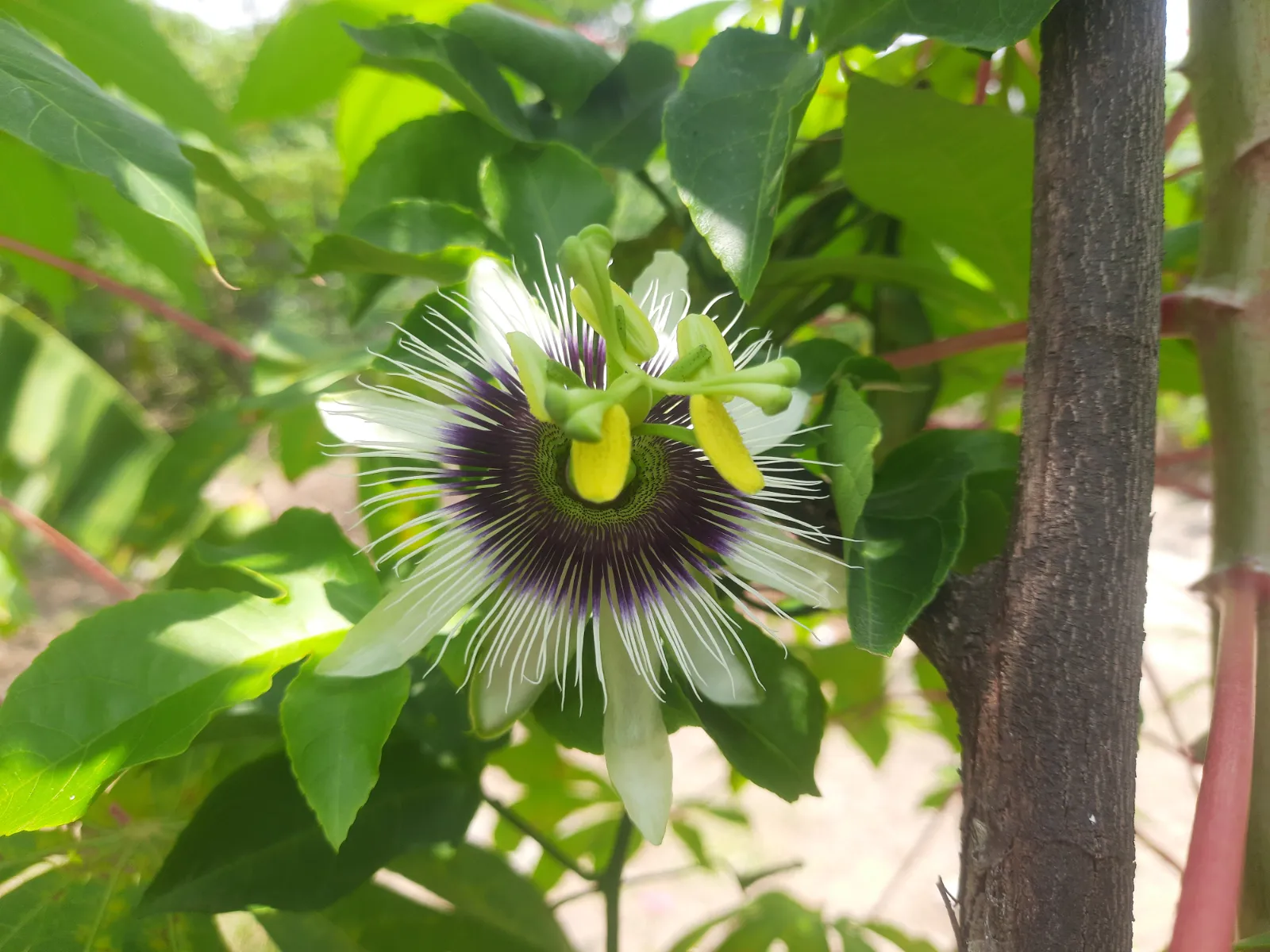
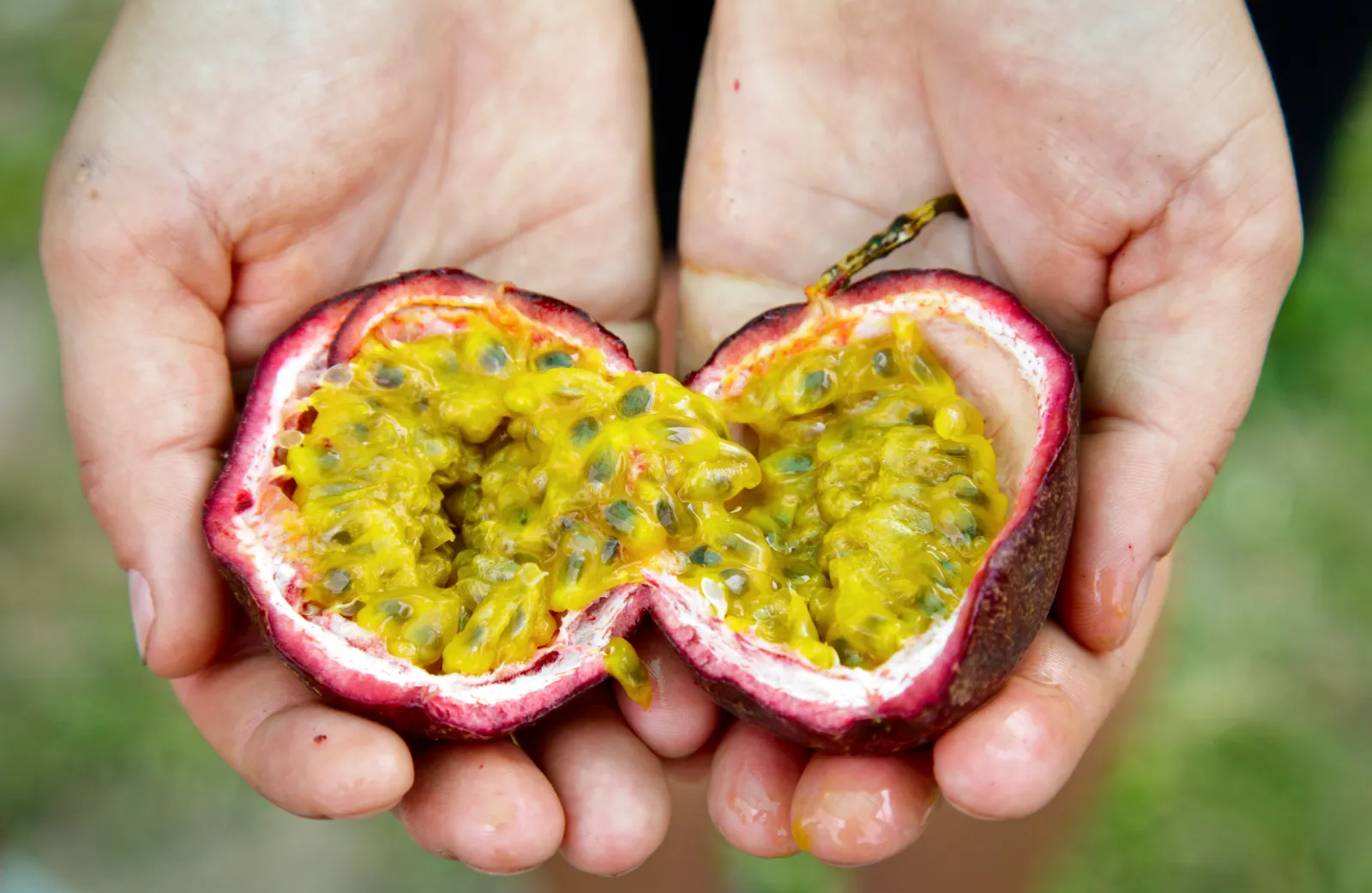
Passion fruit is a unique and beautiful perennial vining plant. It is grown for both its striking flowers and its delicious fruit. Passion fruits have many seeds surrounded by sweet jelly-like membranes. The seeds and the pulp can be scooped out and eaten together. The pulp is used in many different cuisines from around the world in a wide variety of drinks, desserts, and even savory dishes. The flavor is 'tropical' and slightly citrusy- some say similar to guava. There are several different types of passion fruit. Two of the most common are purple passion fruit Passiflora edulis f. edulis, and yellow passion fruit Passiflora edulis f. flavicarpa. Most types of passion fruit are sensitive to cold and can only survive in USDA hardiness zones 9B through 11, but if you live in a cold climate don't despair! The Maypop (Passiflora incarnata) is hardy down to zone 6 or even potentially zone 5 with mulching!
How to Grow Passion Fruit
Quick Info

Put away the pen and paper
Plan your veggie garden in minutes with Planter's easy drag and drop planner.
Try Planter for Free
Nutrition
Vitamins


Nutrients








Pests
Diseases
Beneficial Critters
Growing from Seed
Passion fruit can be tricky to grow from seed although it is doable. For the best results, use sandpaper to scratch (scarify) the seed coat then soak the seeds in water for 24 hours before planting. Maypop seeds may also benefit from 'cold stratification'. To cold stratify maypop seeds, place them in a plastic baggie with a damp paper towel and keep them in the refrigerator for 1-2 months prior to planting (if you are also going to scarify them, do so before putting them in the fridge). Be sure to factor in the time needed to cold stratify the seeds prior to starting them indoors. Where possible, follow the germination instructions that came with your seeds. Keep the seed starting mix consistently moist but not wet. Passion fruit seeds need warmth to germinate- heat mats may be helpful to maintain the optimal temperature for germination. Use grow lights to provide supplemental light as soon as the seeds germinate.
Planting Considerations
Select a passion fruit variety that is suitable for your area. Some types of passion fruit are self-infertile; they need to be planted with a different passion fruit cultivar to get fruit. Maypops are generally self-fertile, although pollination and fruiting may be improved by planting more than one plant.
In hot climates passion fruit can be planted outdoors year-round, as long as the weather is conducive. In cool climates cold-hardy passion fruit can be transplanted outdoors in spring after all risk of frost has passed. Select a location that is protected from wind. Passion fruit plants prefer loose, fertile, well-draining soil. If drainage is an issue you may want to plant your passion fruit in raised mounds. Incorporate compost into the soil at the time of planting. Transplant passion fruit seedlings at the same depth as they were grown. Apply mulch around the plants to manage weeds and to help retain moisture (be sure the soil is warm before applying mulch). Passion fruit can be grown in containers. Choose a container that holds at least 15 gallons to accommodate its large fibrous root system. In cold climates you may need to overwinter the container in a protected area such as a garage otherwise the plant may die. Passion fruit plants produce large vines; they should be grown on a sturdy trellis or arbor. Install the trellis at the time of planting.
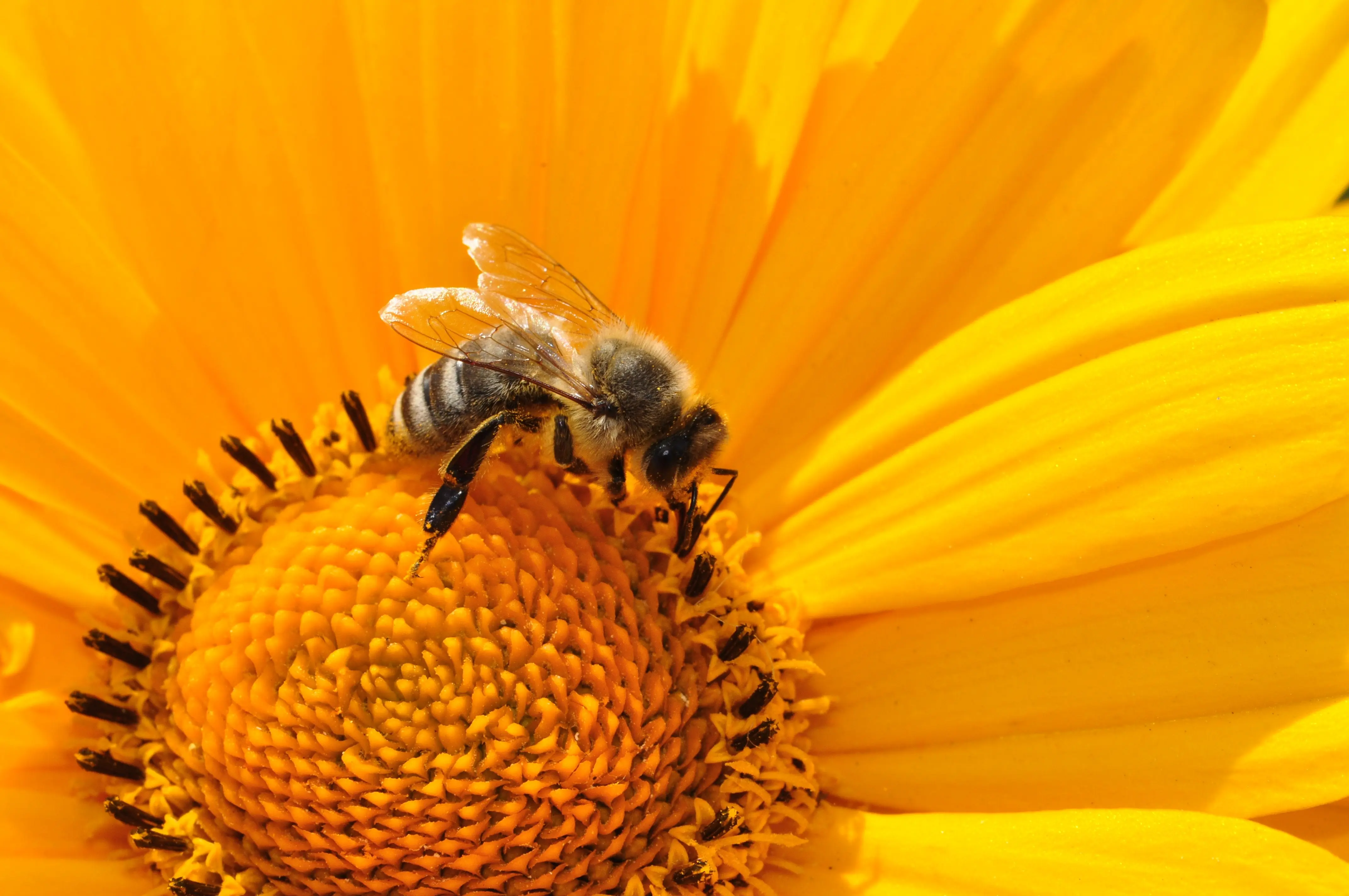
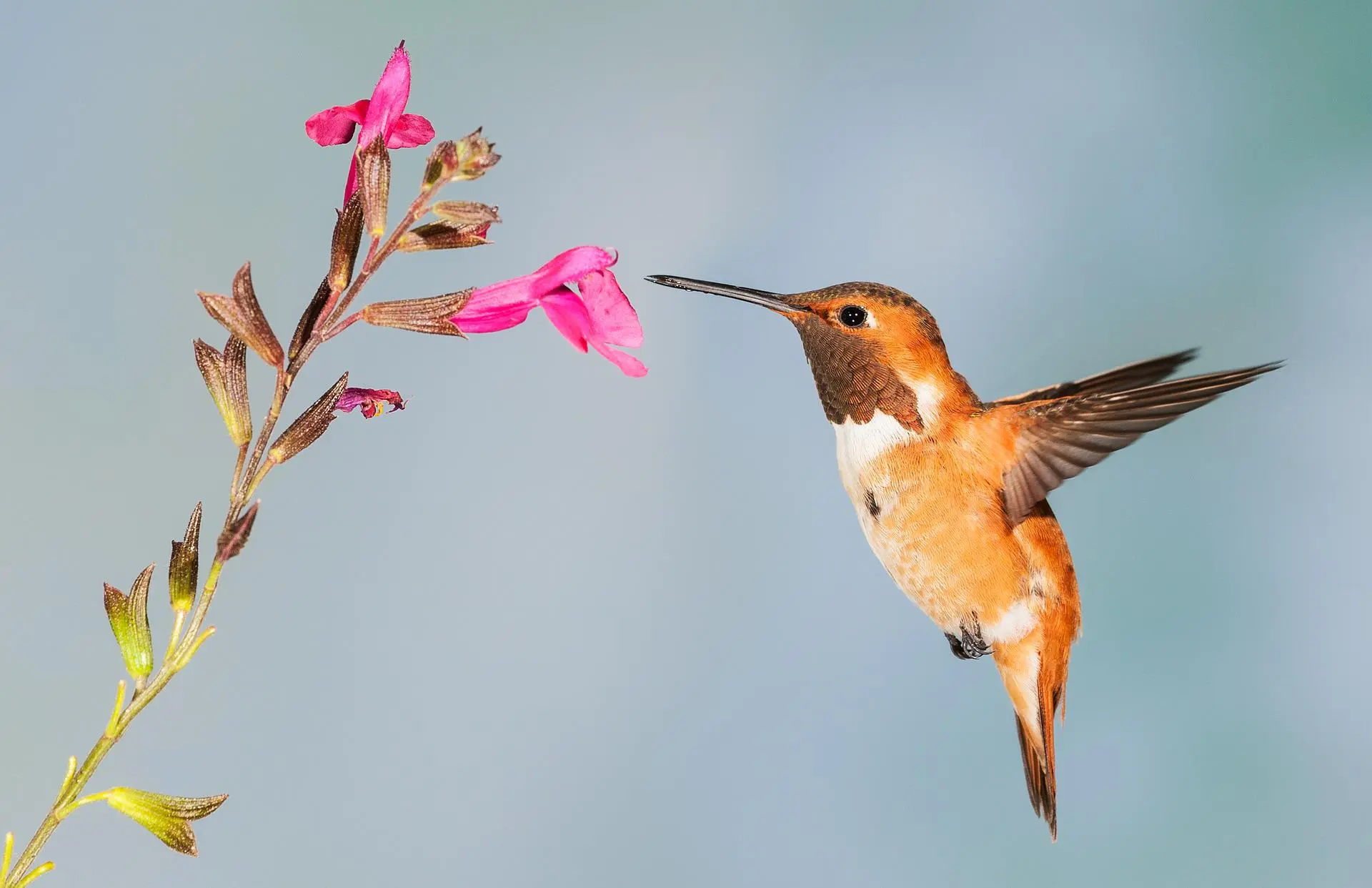
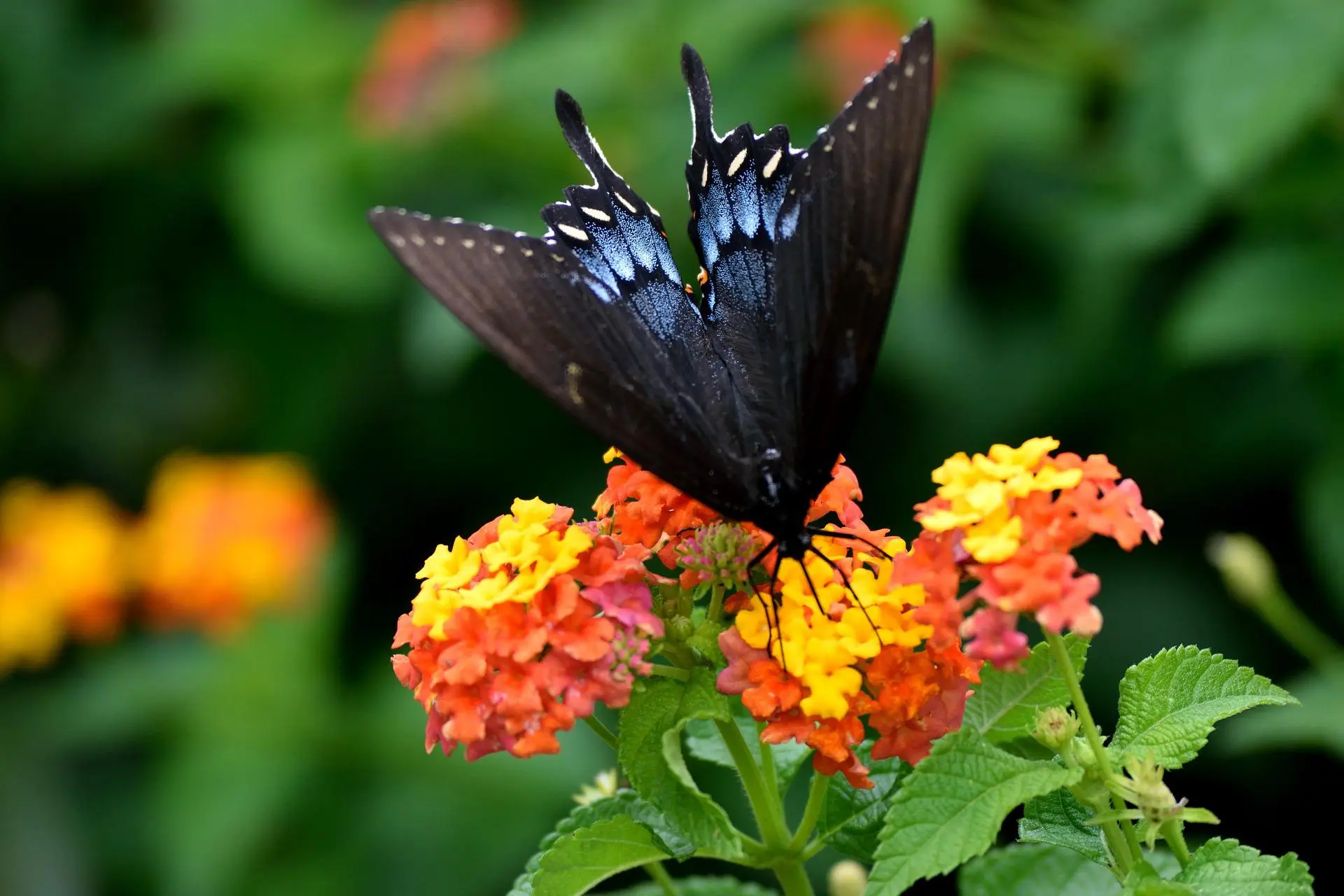
Poor pollination can result in poor fruit set, so you might want to hand pollinate passion fruit flowers if pollinators (especially carpenter bees) are not abundant. Use a paintbrush to gently transfer pollen from the anthers (male pollen-producing flower part) of one cultivar to the stigmas (female flower part that receives pollen) of another cultivar (with self-fertile types you can transfer pollen amongst flowers on the same plant). It can also be helpful to create habitat to encourage more carpenter bees to visit your garden. Under stress, passion fruit plants may produce a higher-than-normal ratio of male flowers, which can also reduce fruit set.
In cold climates you may want to apply an extra thick layer of mulch prior to winter to help ensure the plants’ survival. Remove any excess mulch in spring to allow the soil to warm up again.
Feeding
Passion fruit should be fertilized regularly throughout the growing season. Choose a balanced fertilizer that is not too high in nitrogen. Excess nitrogen promotes leaf and vine growth at the expense of flowering and fruiting.
Harvesting
Passion fruit vines typically will not fruit in the first year, although it is possible depending on the variety, planting time, and climate.
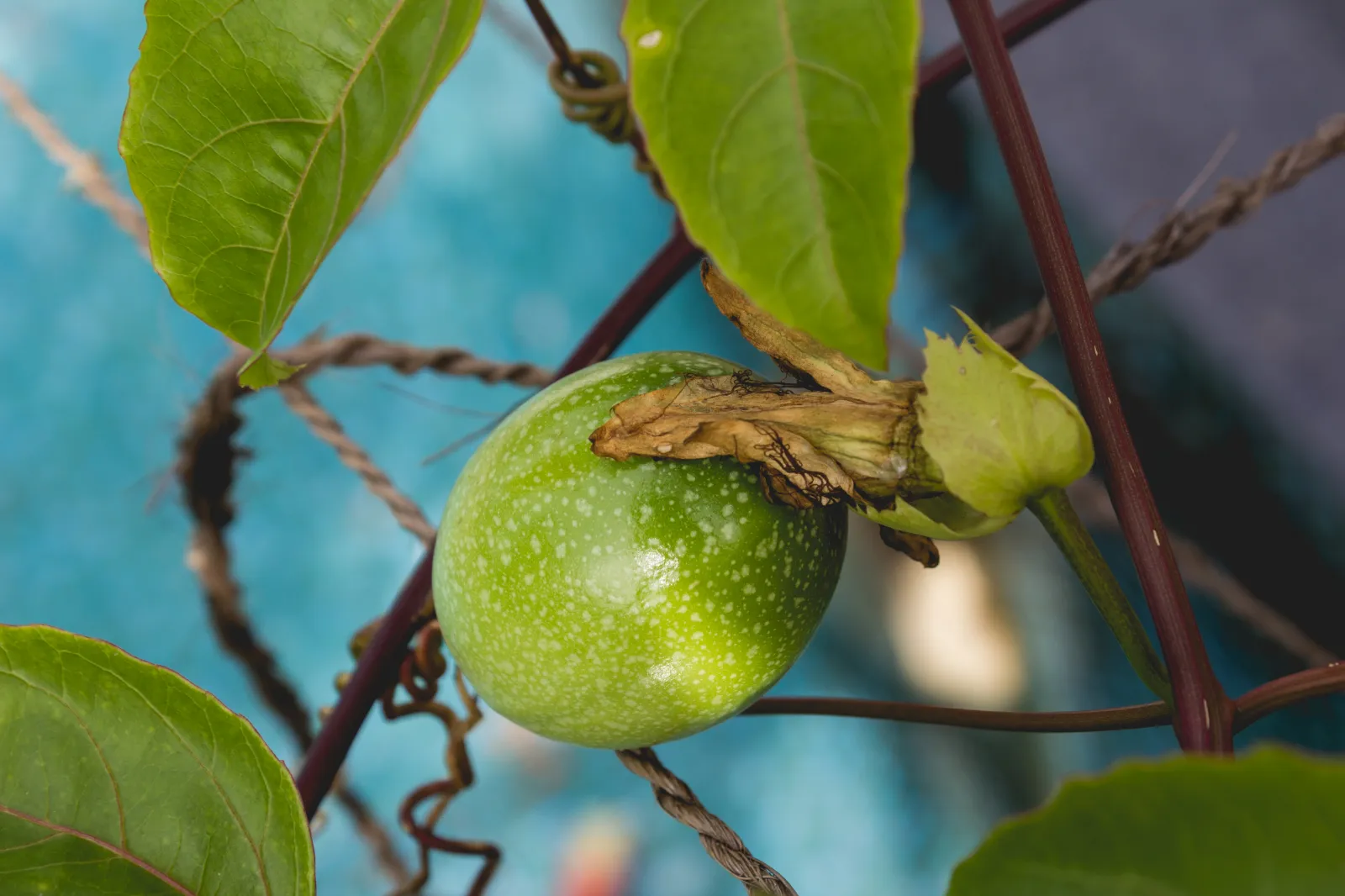
Passion fruits are ripe when they have turned a deep purple or yellow color (depending on the variety); maypops will be more of a yellow-green. Ripe passion fruits should give slightly when pressed and may even be slightly wrinkled. They should pull easily off the vine.
Passion fruits can also be gathered when they fall to the ground, although this must be done quickly or the fruits could rot. Some varieties rot faster on the ground than others.
Storage
Ripe passion fruits can be stored in the fridge loosely wrapped in a plastic bag for up to several weeks.
Passion fruit pulp can be frozen in ice cube trays then transferred to a freezer-safe bag or container and stored in the freezer for up to several months.
Pruning
In warm climates, passion fruit vines should be pruned annually after harvest to keep the plant size under control and to clean up any weak and dying vines. Cut back up to 1/3 of the plant at a time. In colder climates maypop vines will die back in winter. Dead vines can be cleared away as new vines will grow from the roots in spring.
Some passion fruit vines can spread via their roots. Remove new shoots unless you want the plant to spread. Grafted passion fruit vines can also produce suckers at the base of the plant below the graft point; all suckers should be removed.