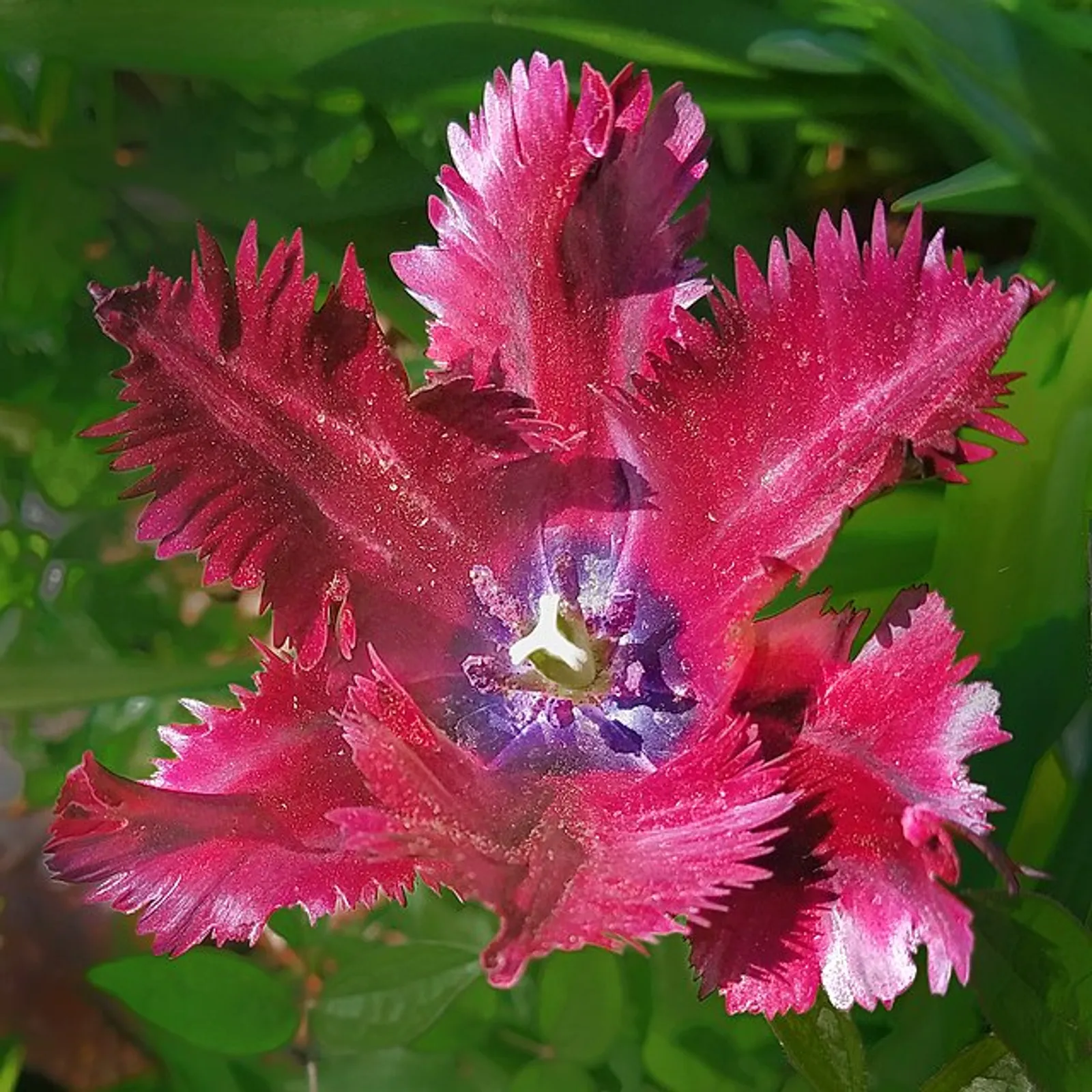
Tulips
Tulipa
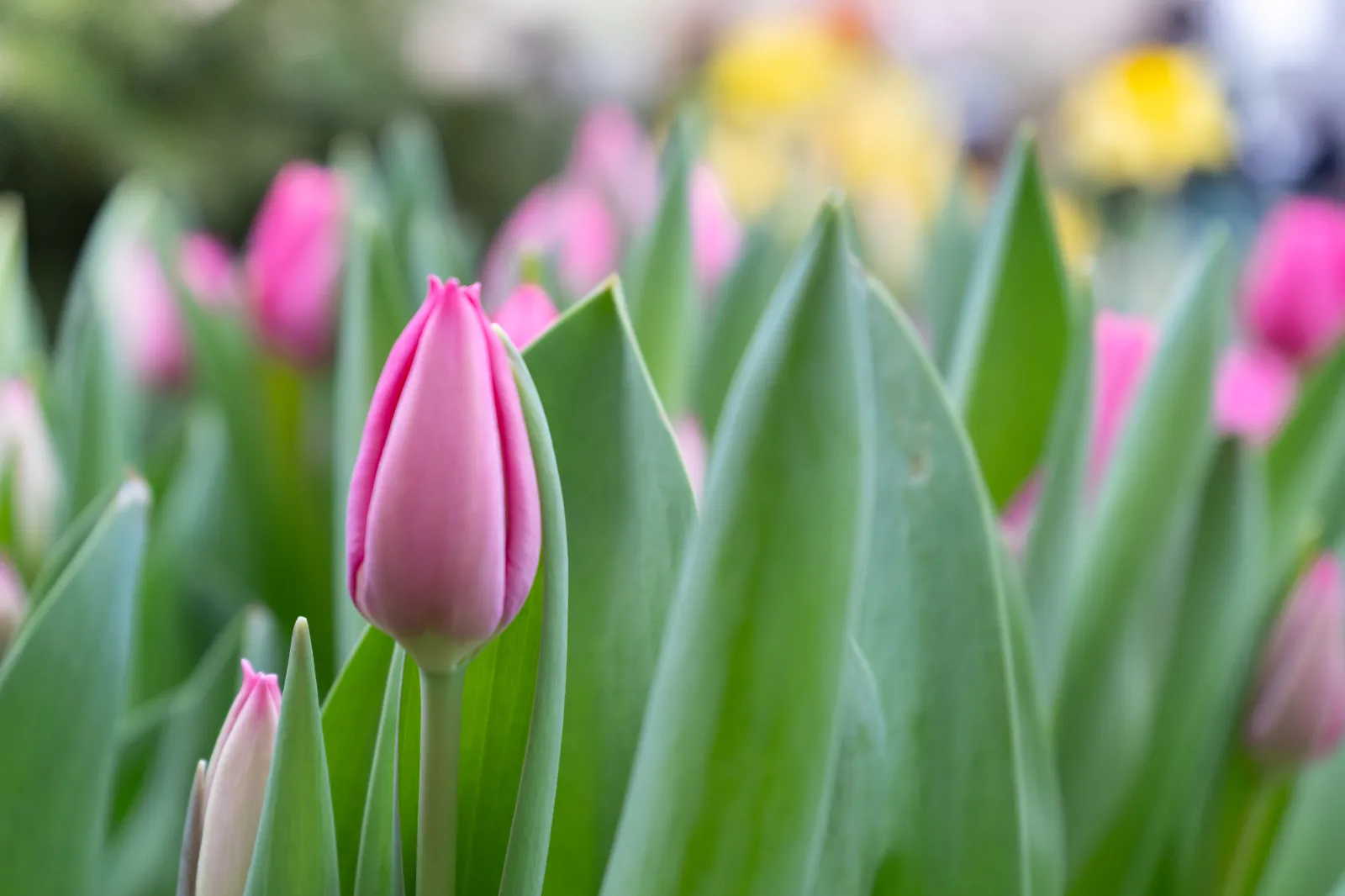
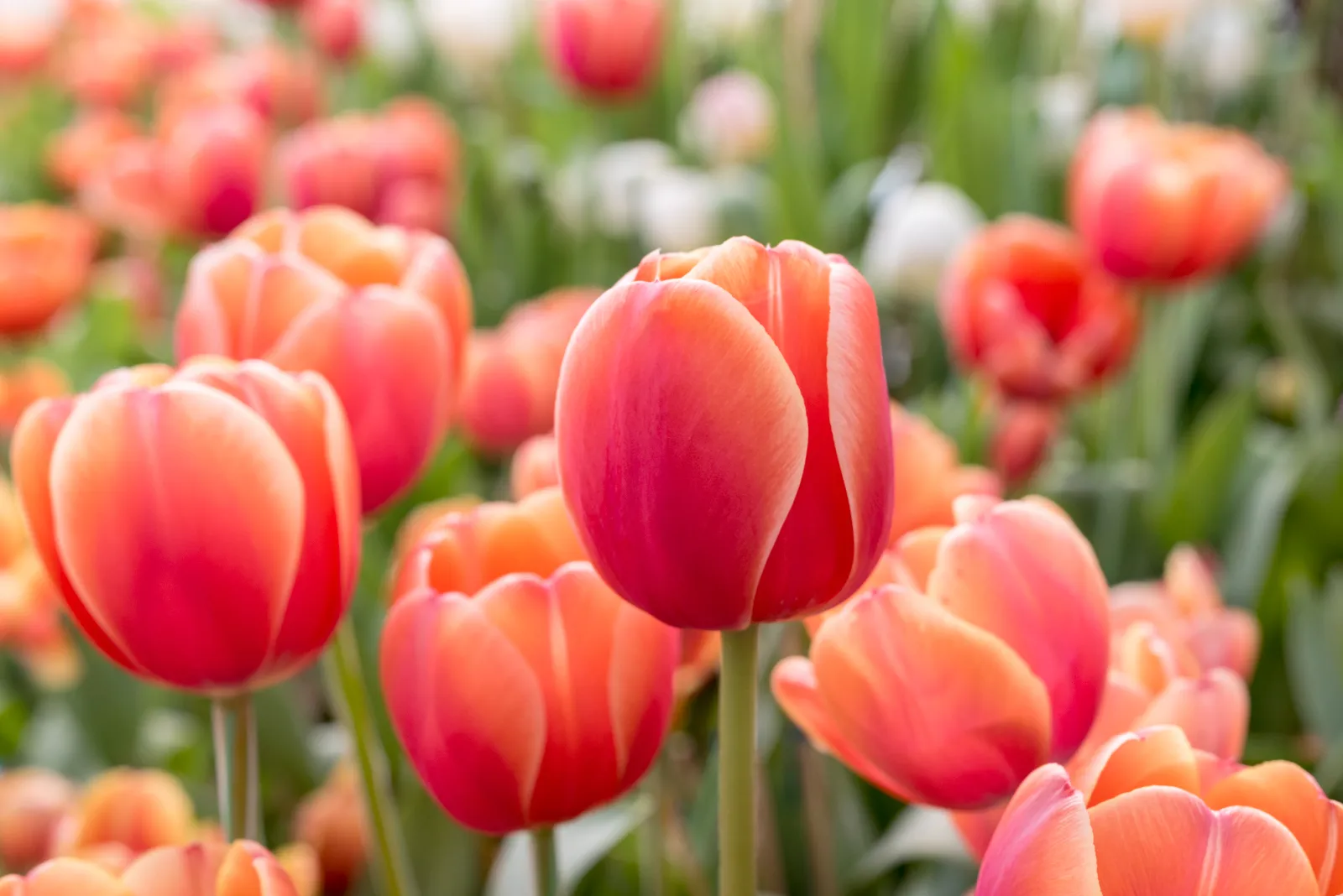
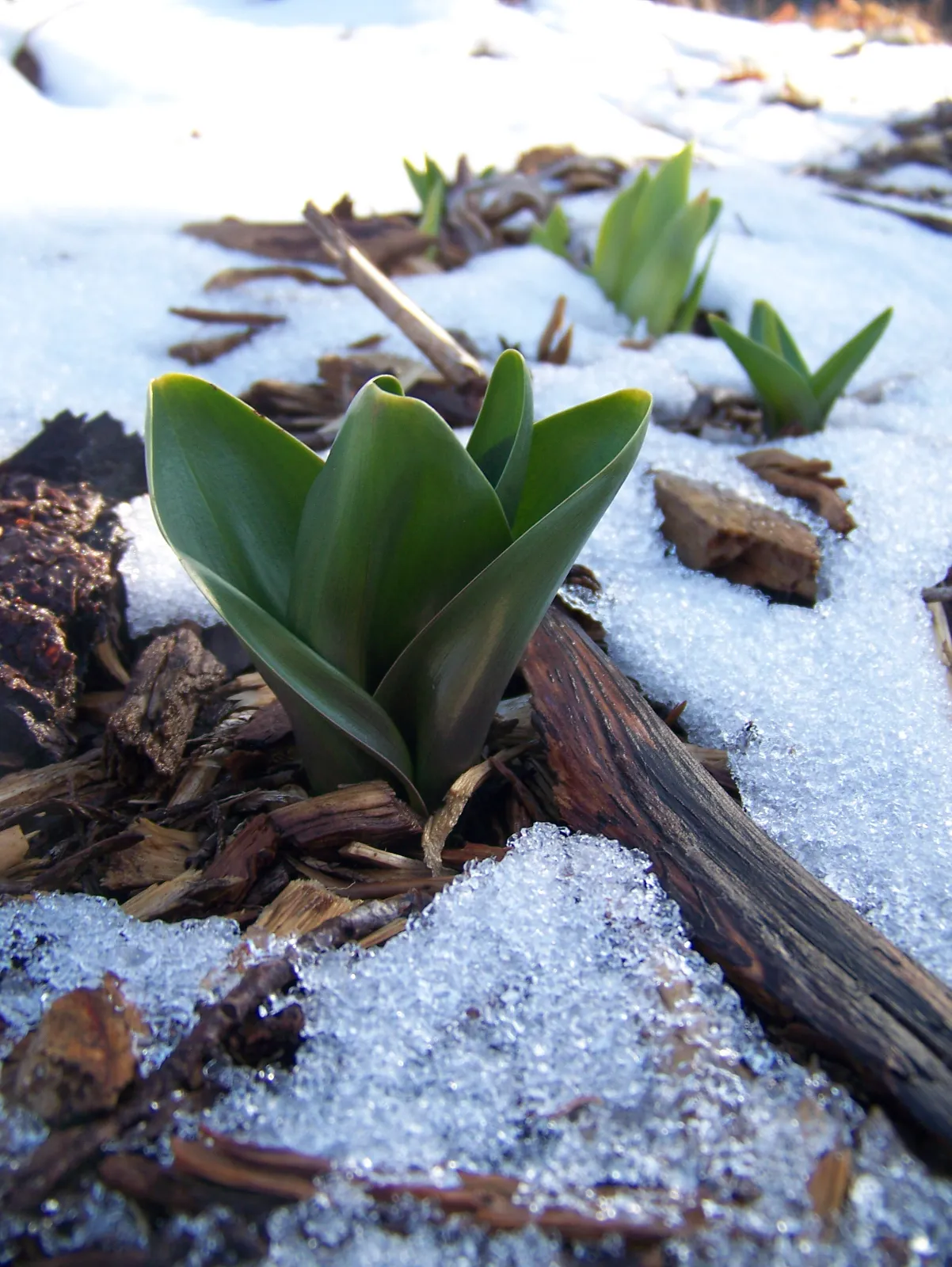
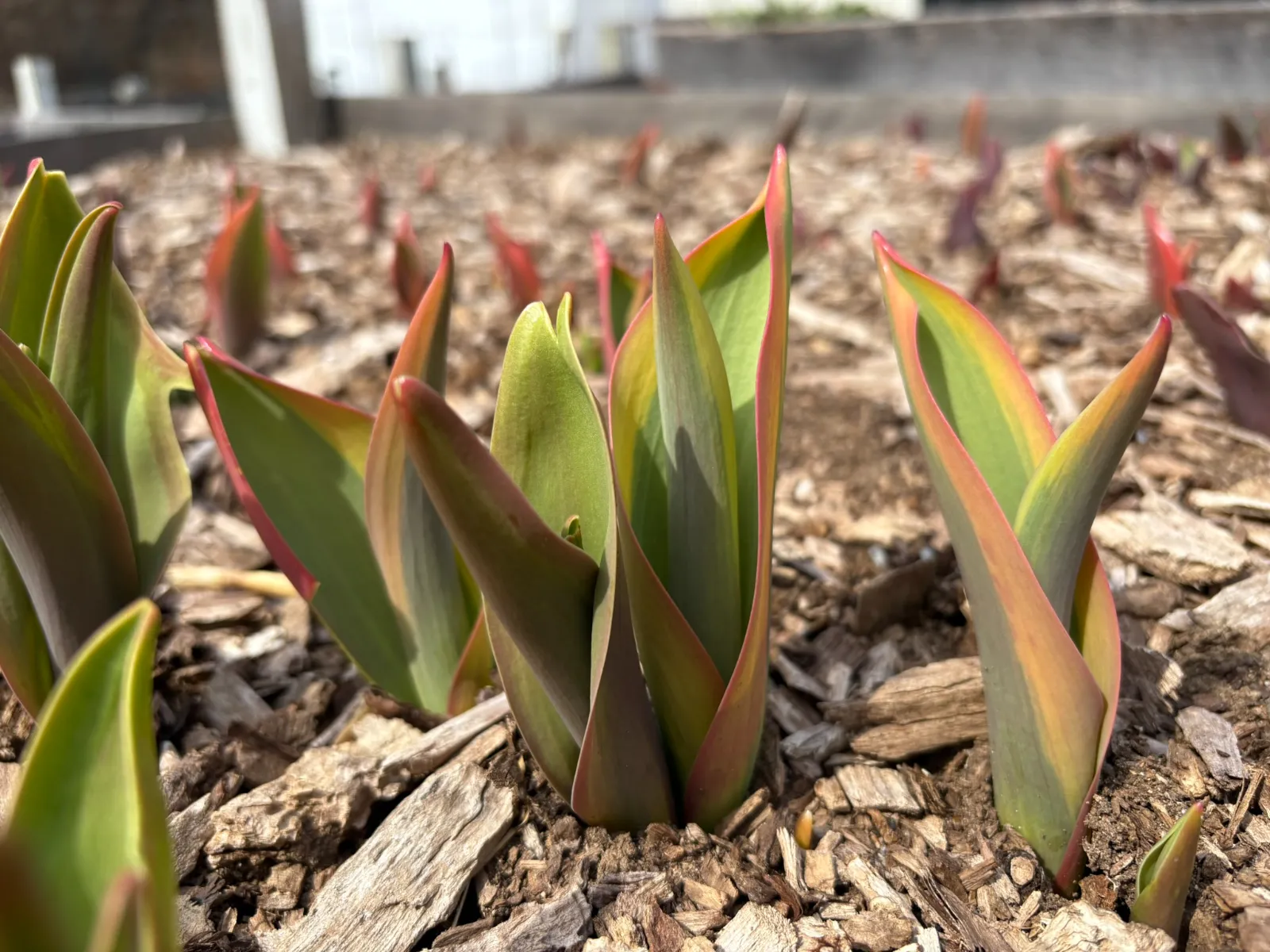
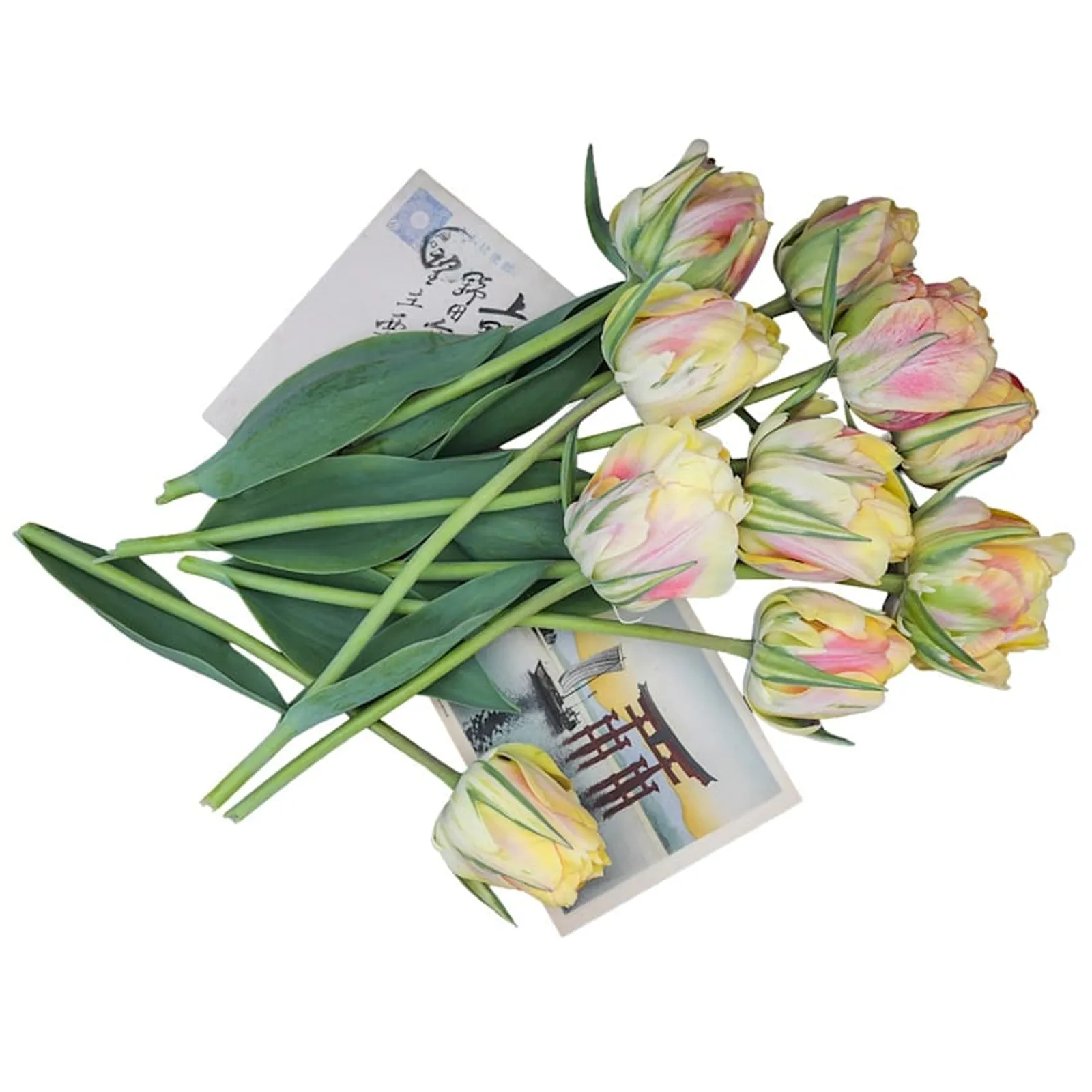
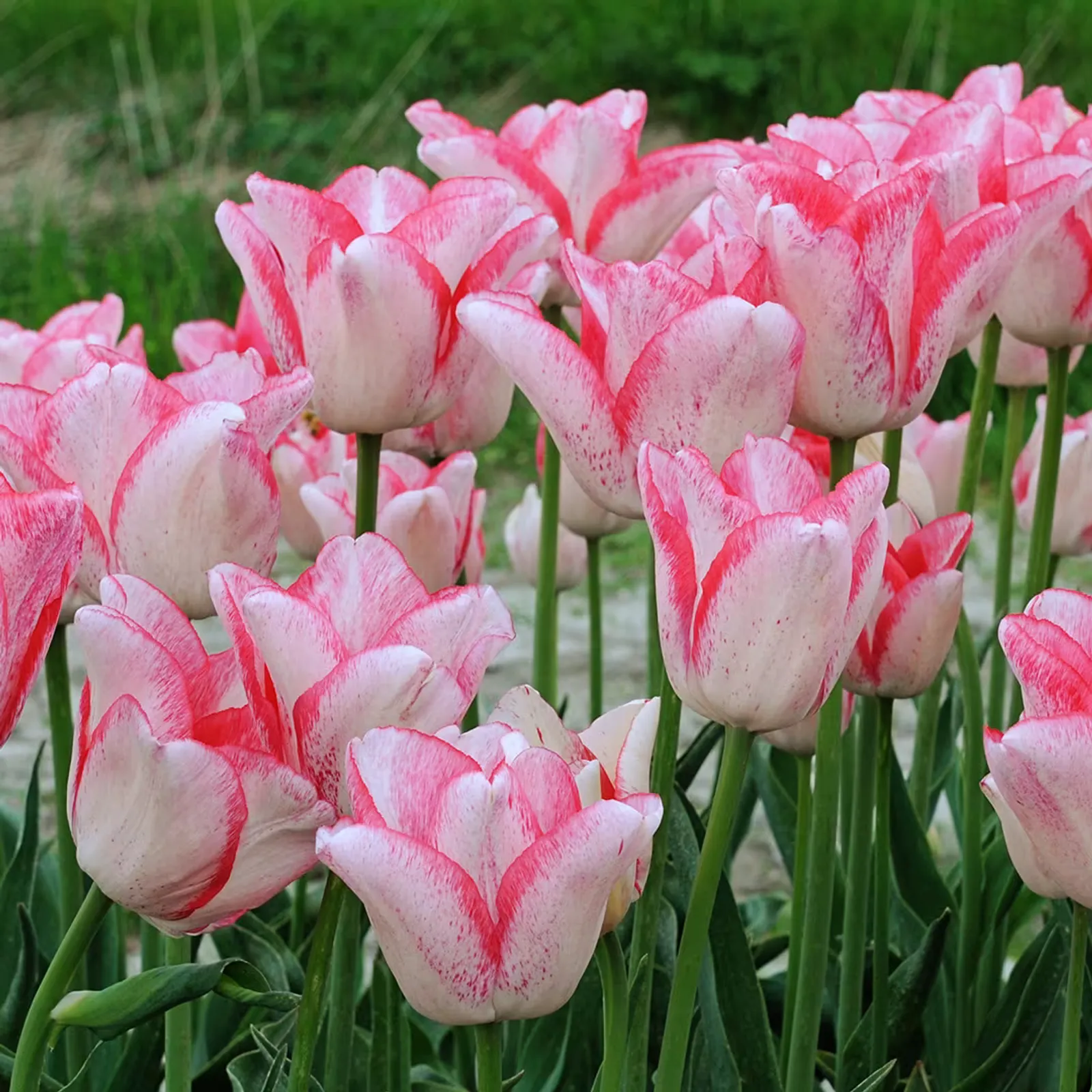
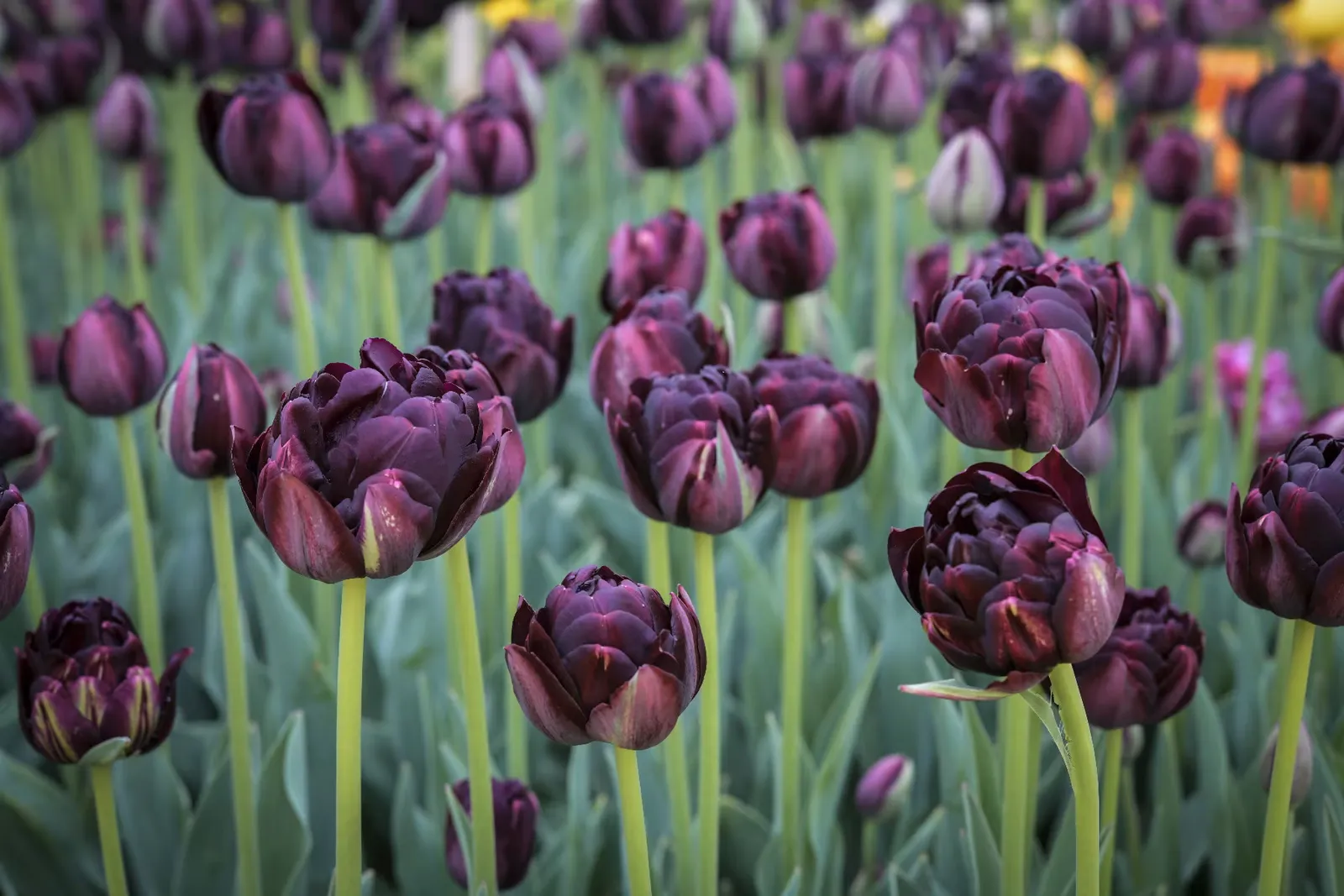
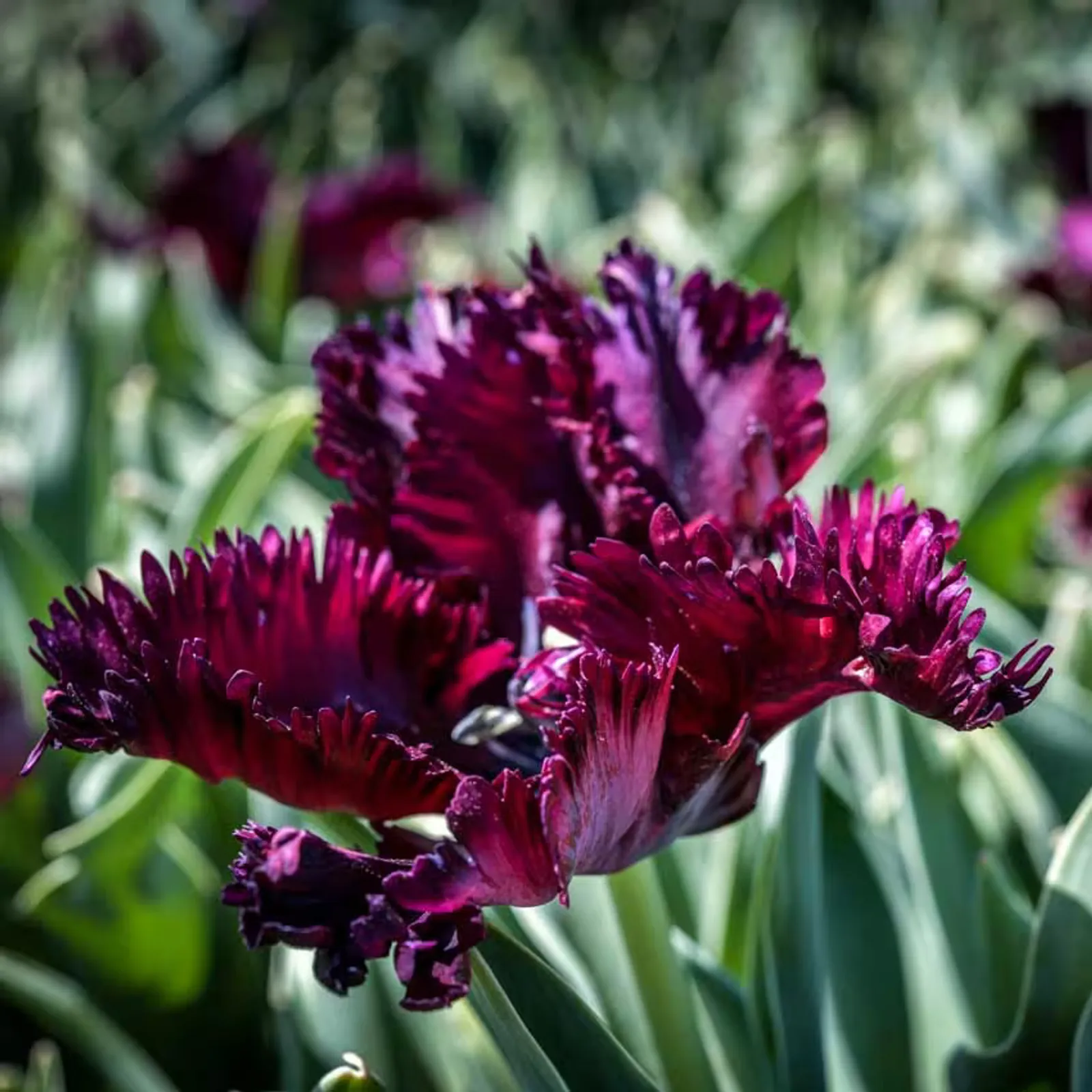
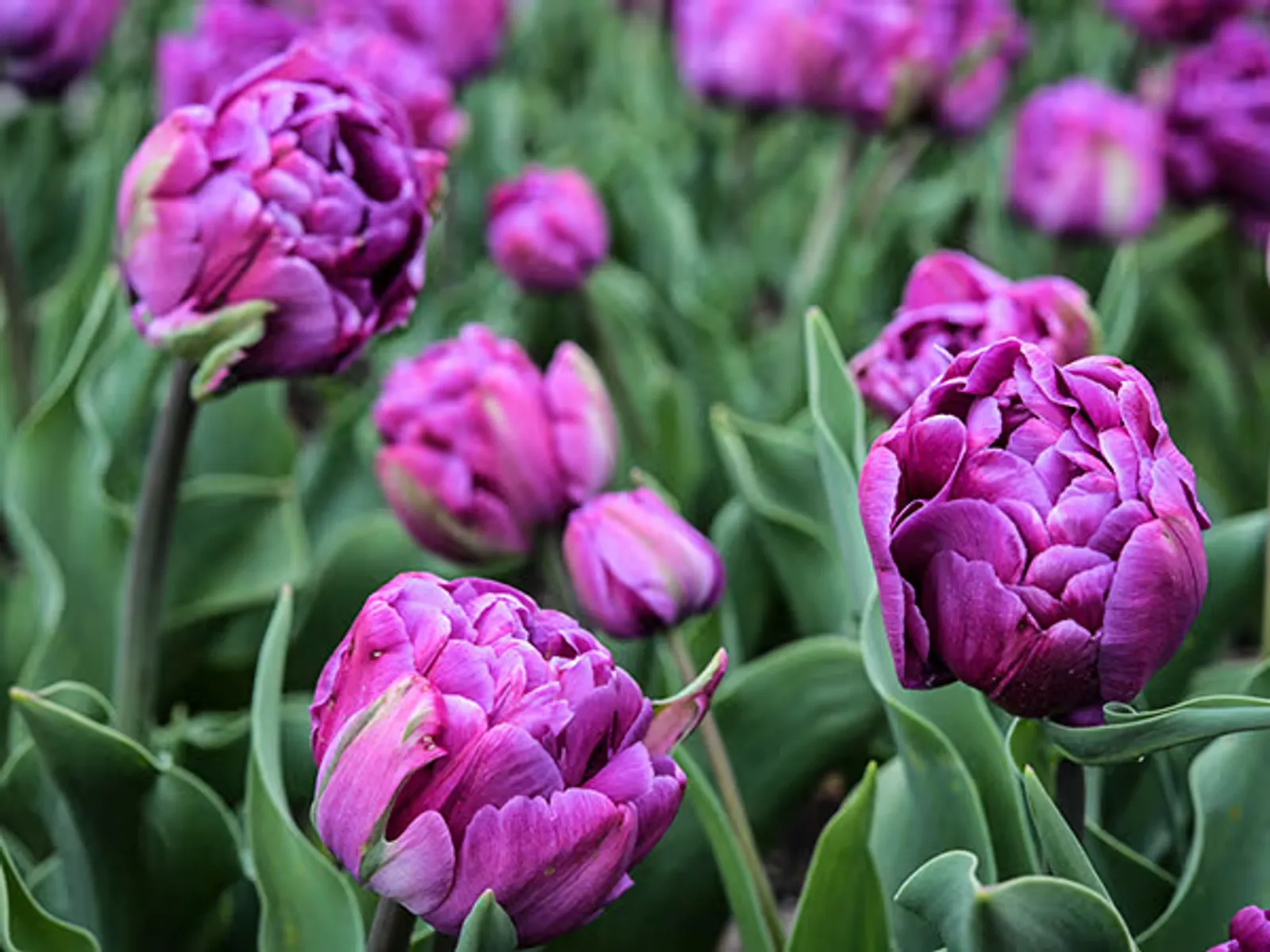
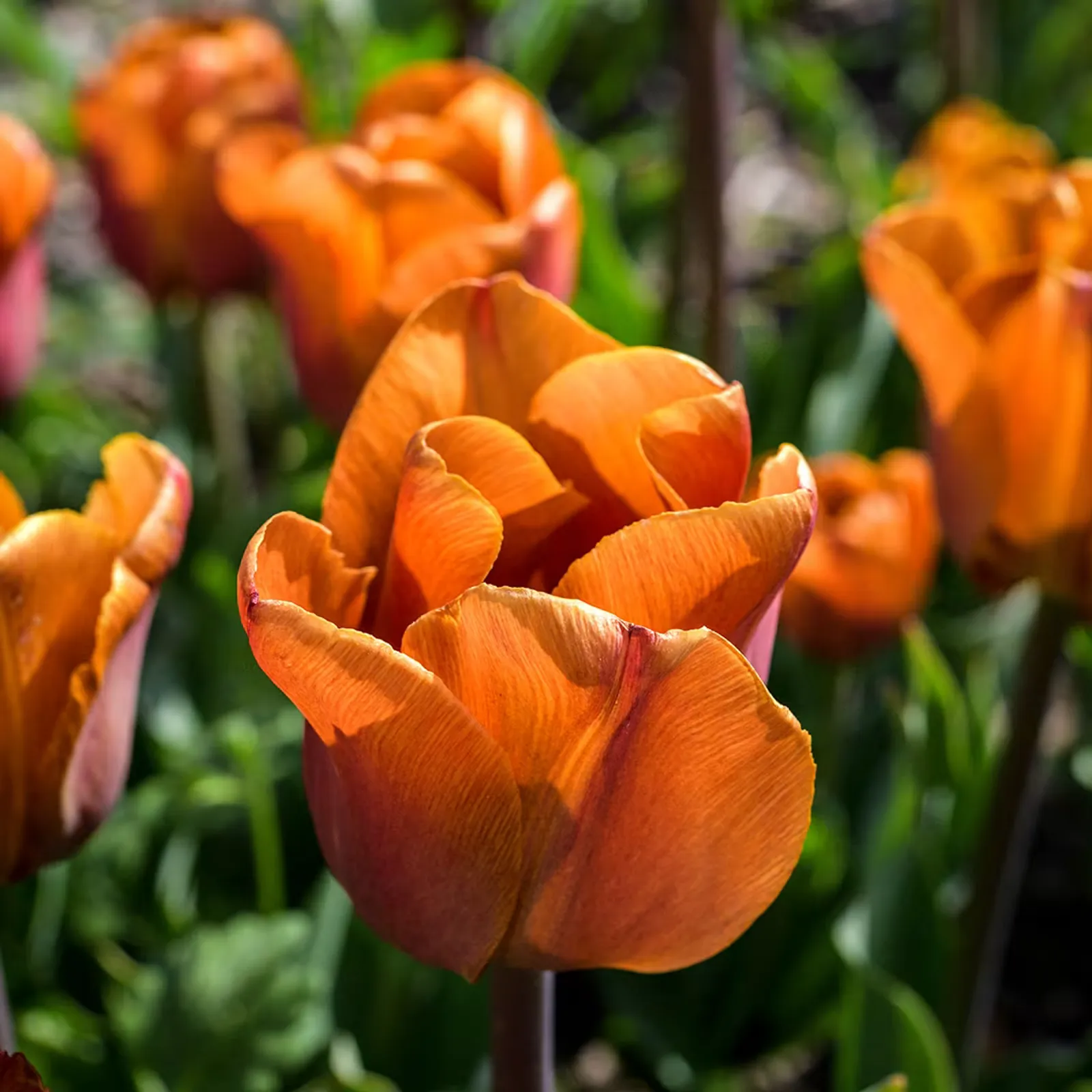
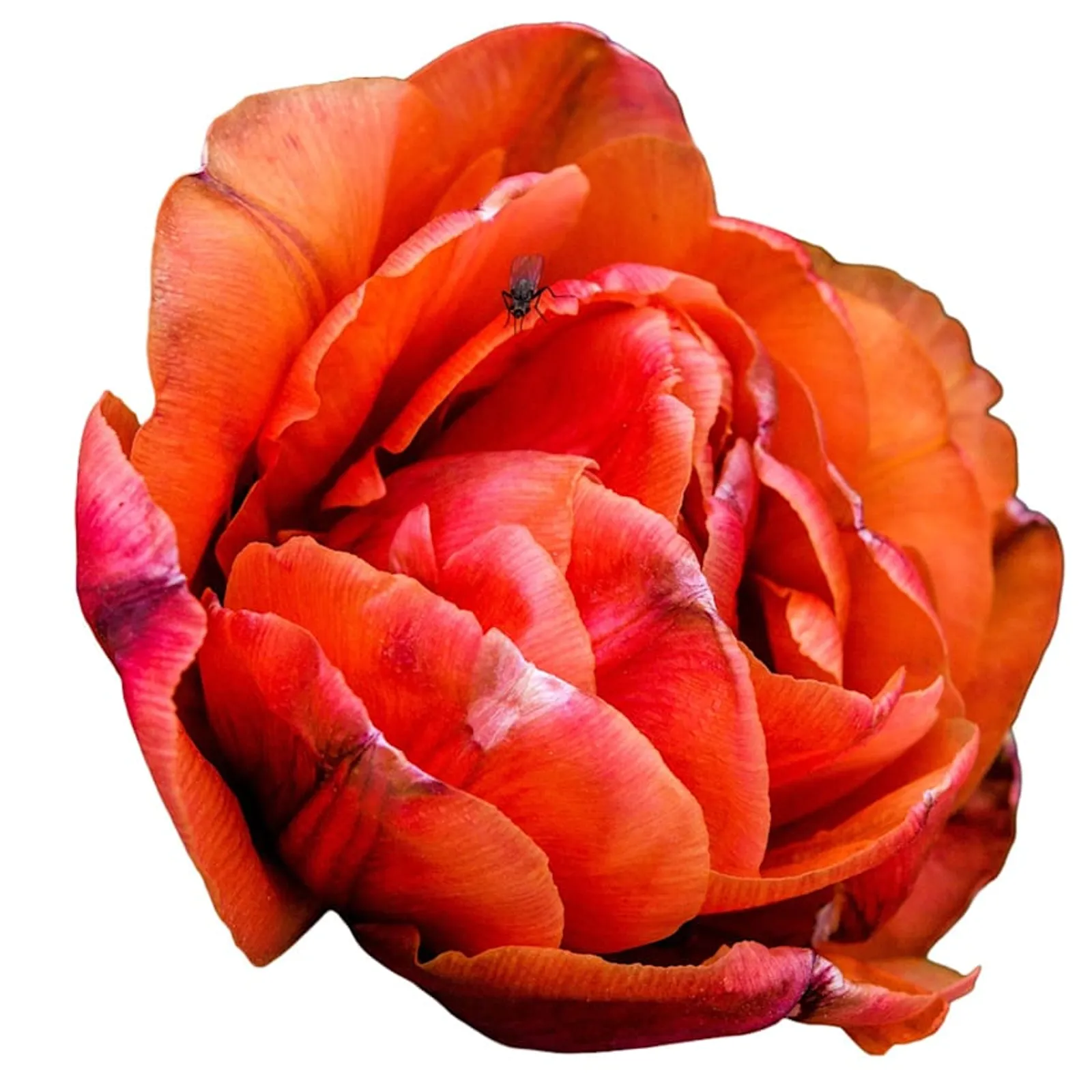
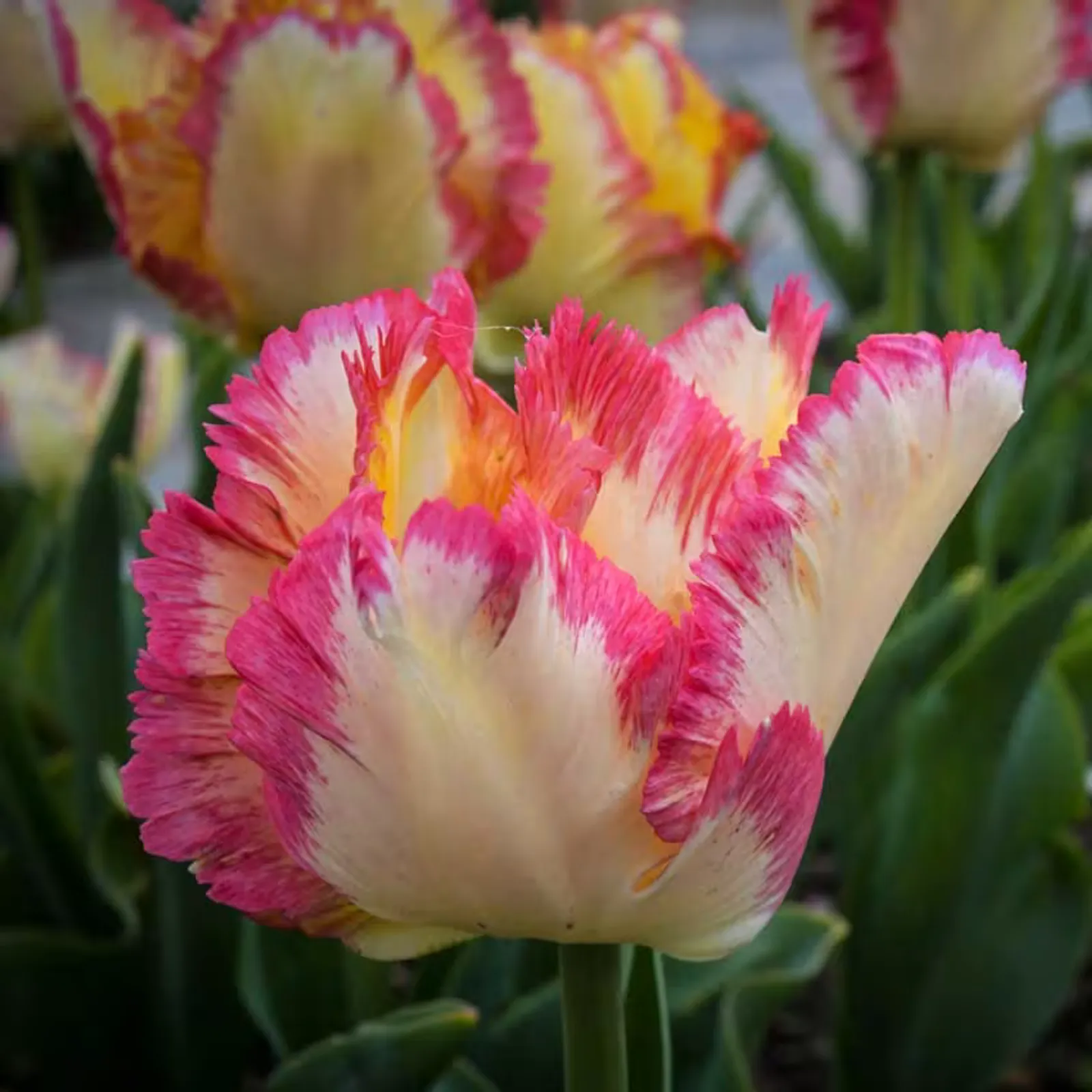
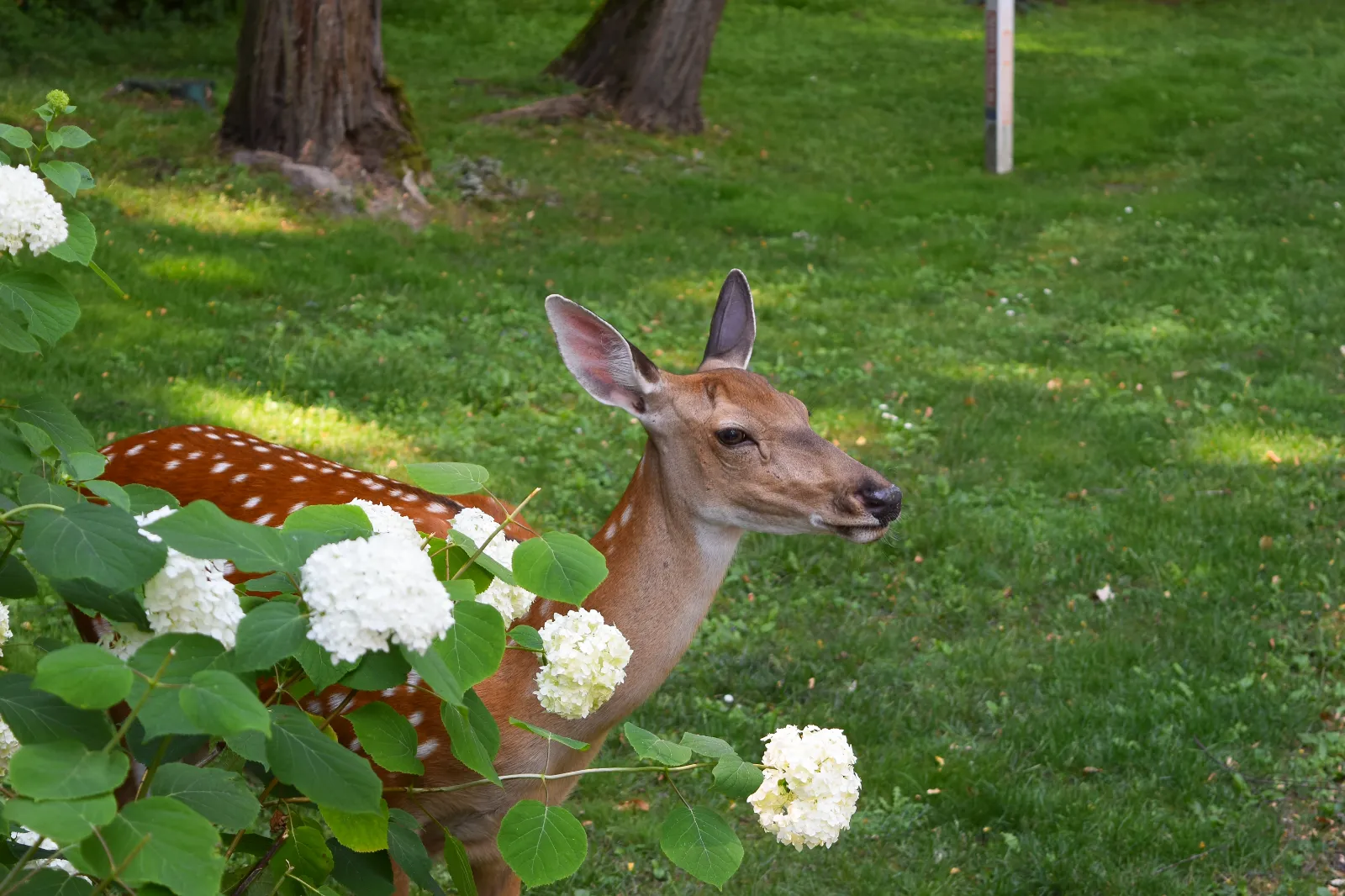
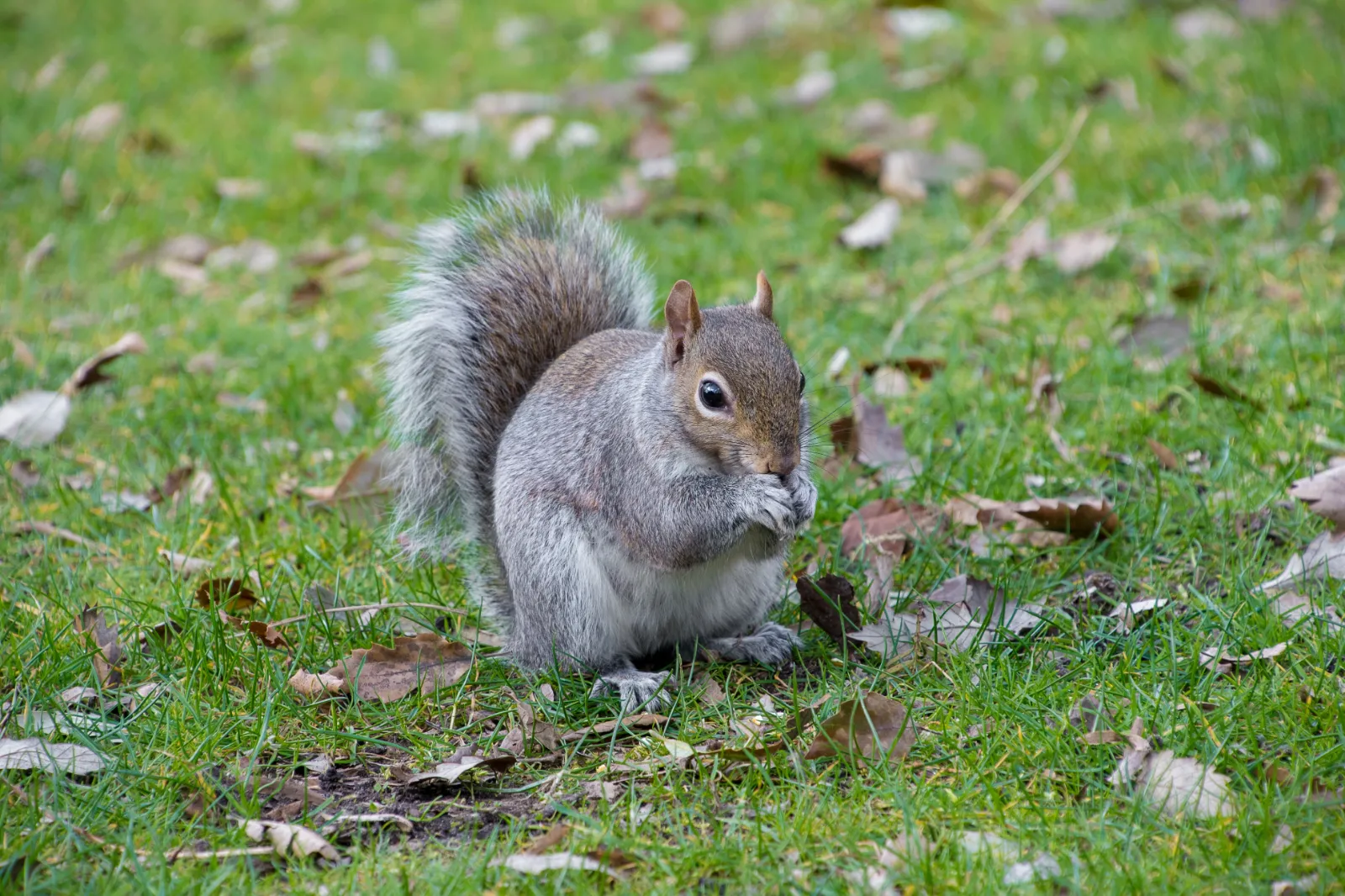
Who can resist the spring sight of tulips growing in the garden? A tender perennial bulb (most tulips live only a few years, although there are exceptions). The curvy, strap-like leaves are easily identified, growing on the tulip stem. Tulip flowers are cup, bowl or star shaped, in a range of colors and solids, stripes, or blotched. Tulips are usually identified by their bloom time; ie. early-, mid-, late- spring, or form: single, double, parrot, peony, lily, etc. Deer and rodents love tulip bulbs- consider growing some in containers to keep the bulbs protected. Tulips can over-winter if the container is large enough. Plant shallow-rooted summer annuals over the top of the tulip bulbs. Pinch spent flower stem but leave foliage until it yellows (foliage feeds the bulb). Fun facts: Tulips will continue to grow in the vase and flowers close at night!
How to Grow Tulips
Quick Info


Put away the pen and paper
Plan your veggie garden in minutes with Planter's easy drag and drop planner.
Try Planter for Free
Varieties
Related Articles
Pests
Diseases
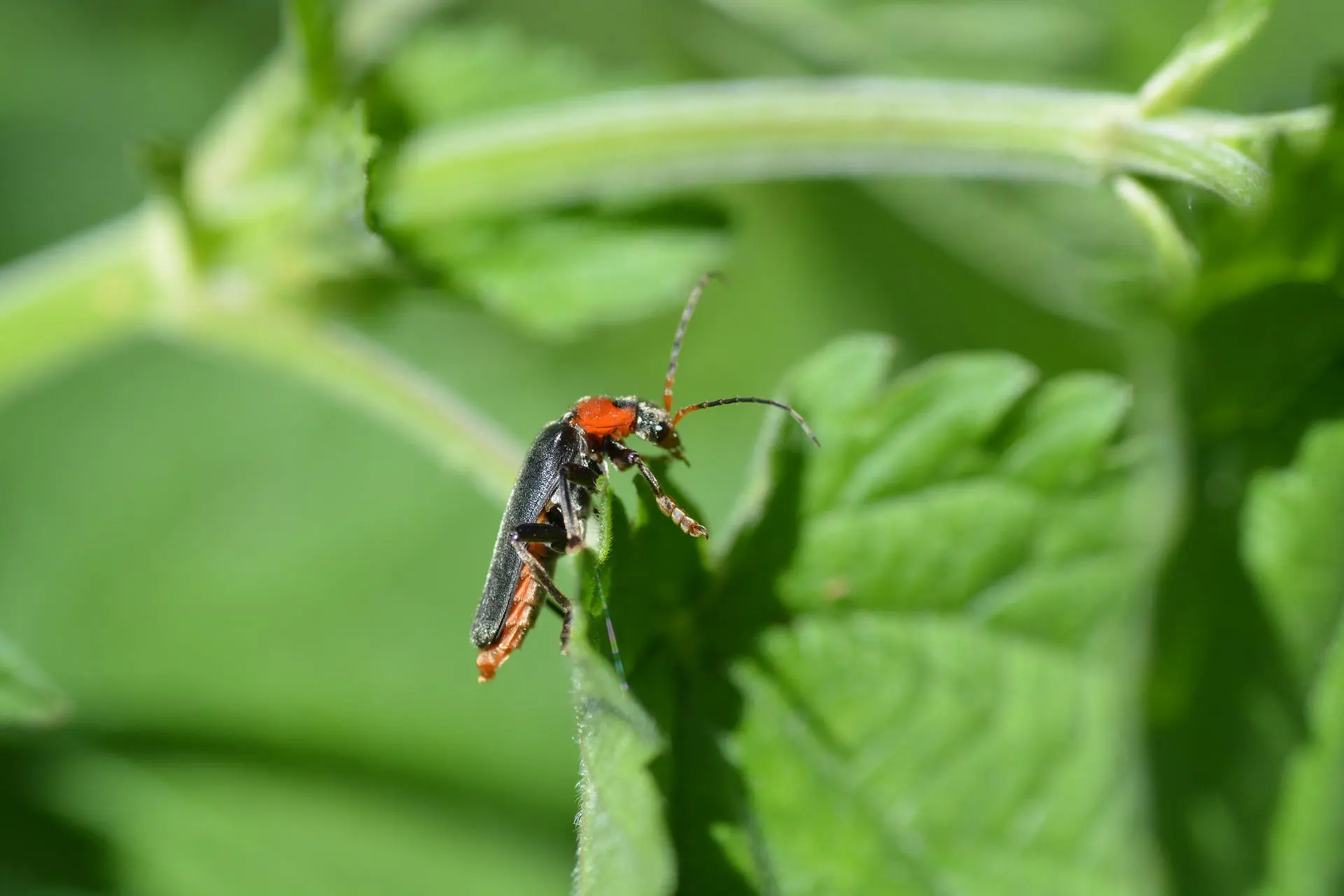
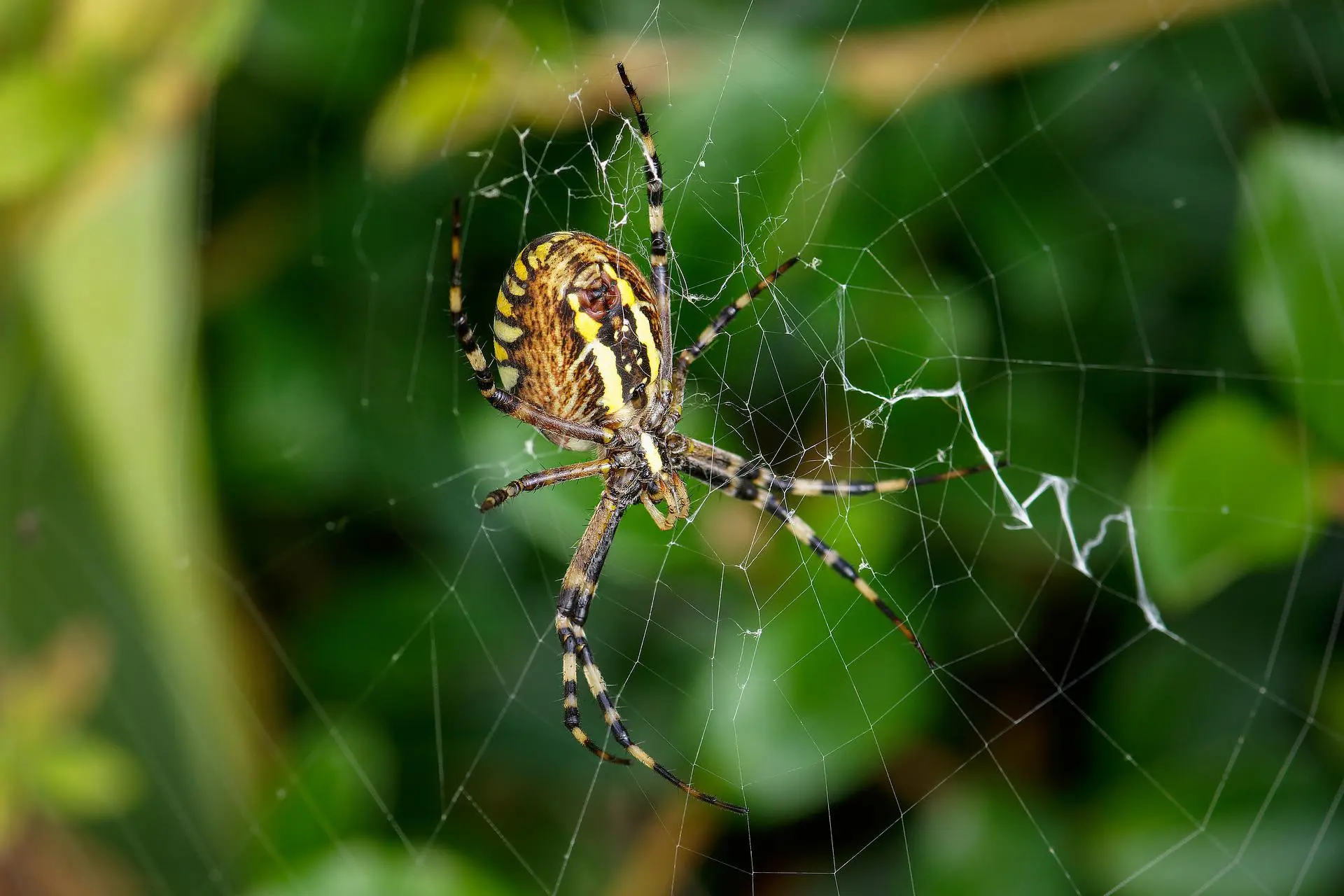
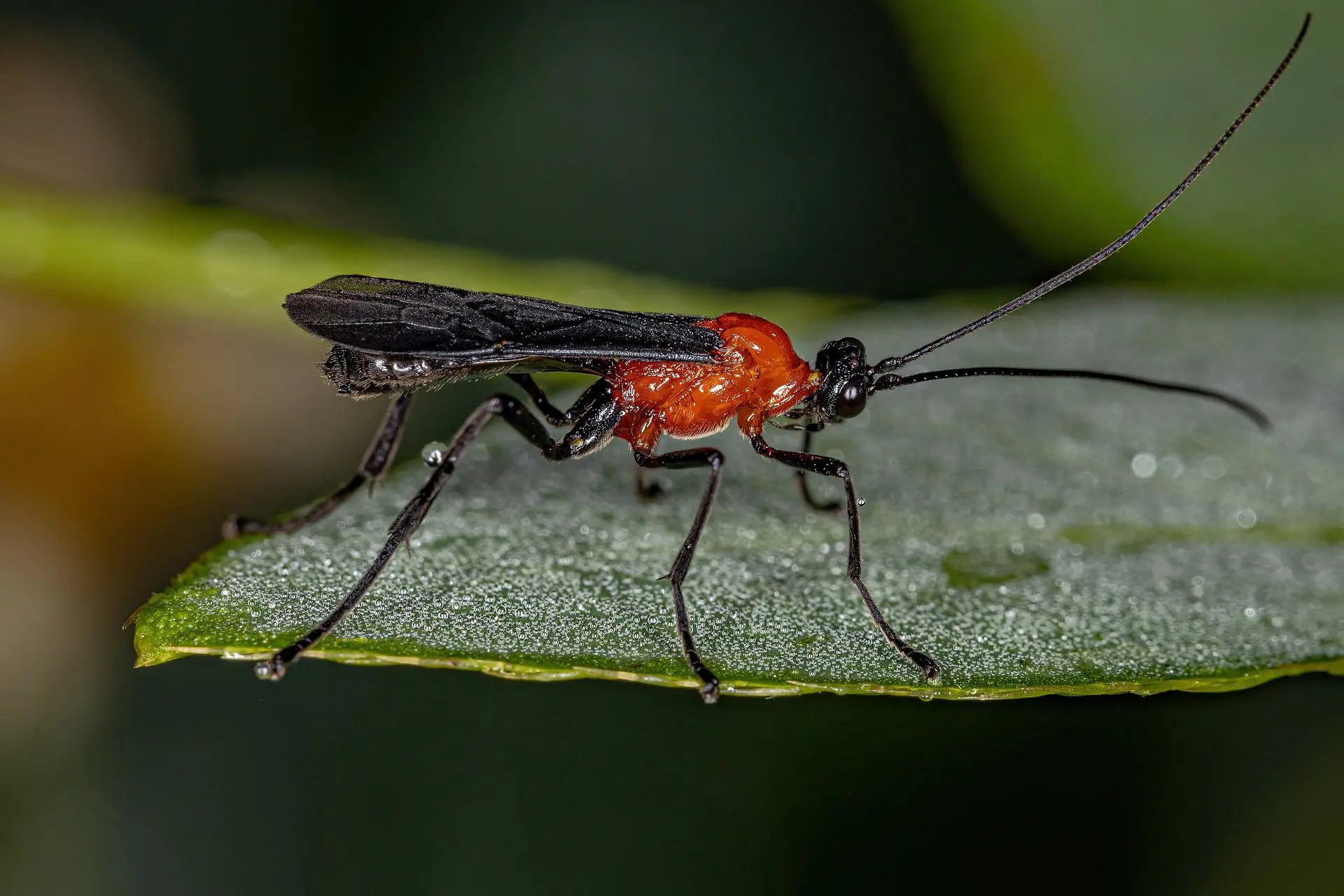
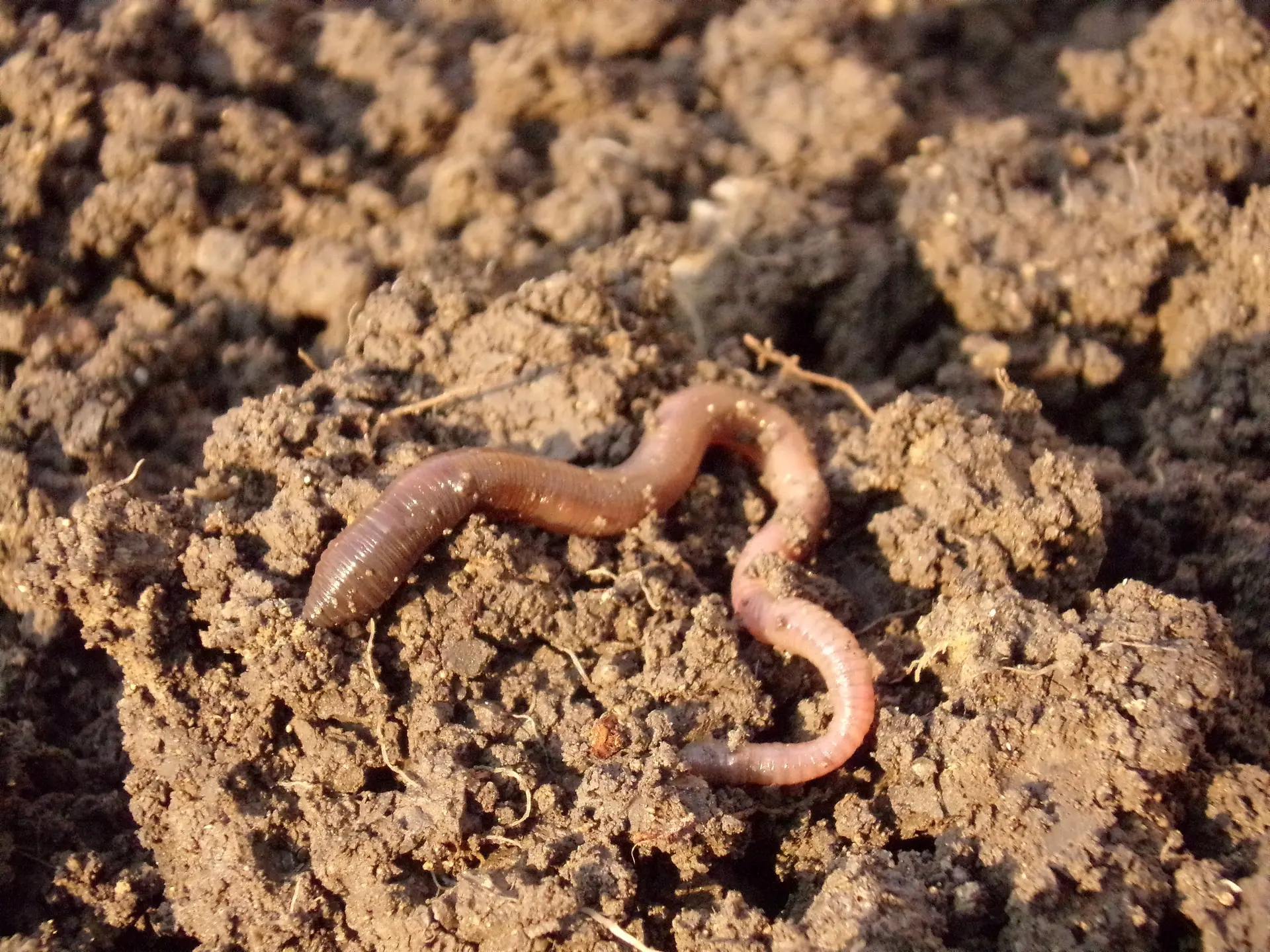
Beneficial Critters
Growing from Seed
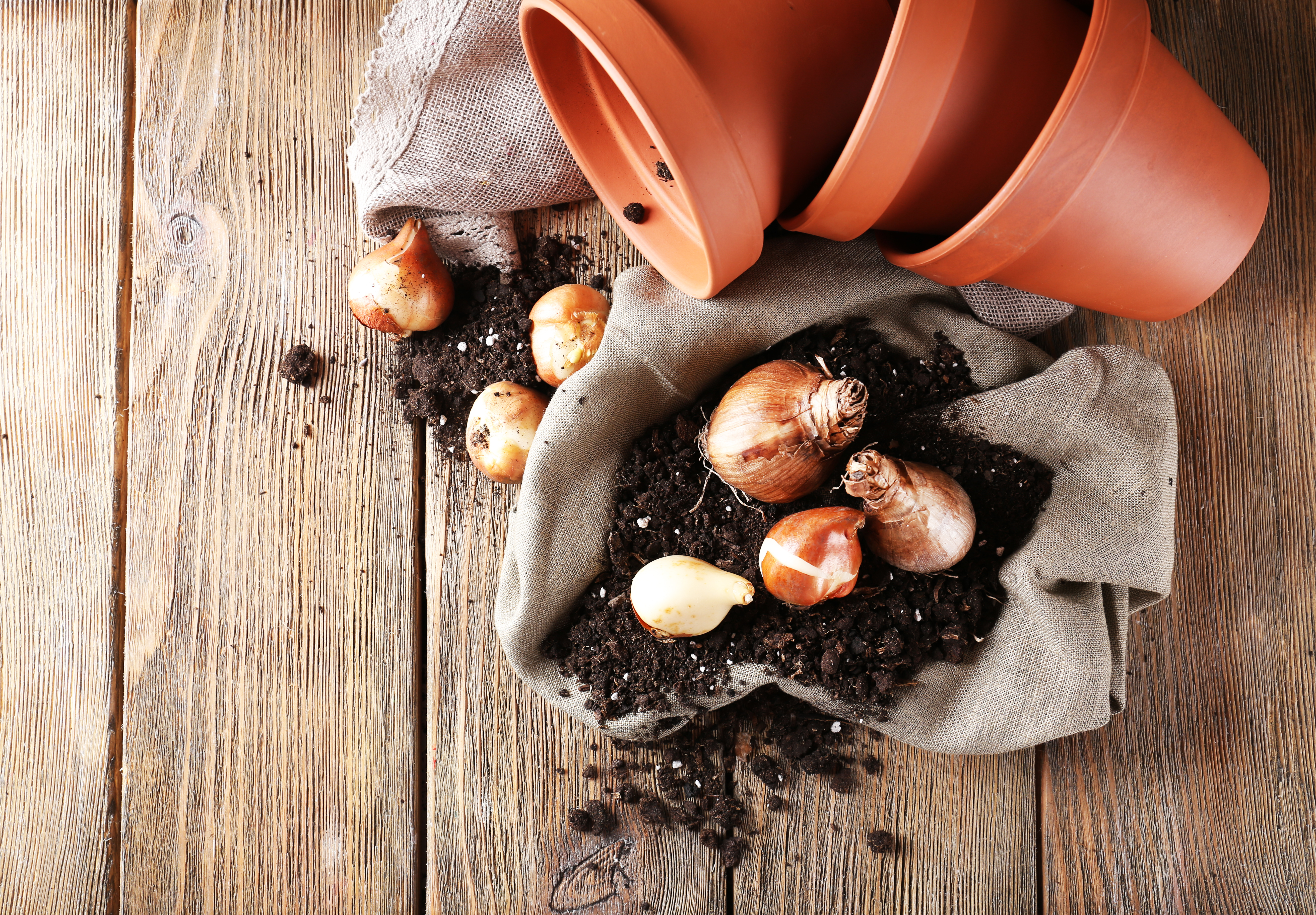
Sow bulbs in fall, until ground is frozen. Tulips like fertile but well-drained soil. Plant bulbs 3x the of bulb deep. Flowers look best in group plantings. Tossing bulbs in the air and planting where they land make a naturalized look. Plant pointy end up.
Tulips require 12+ weeks of cold to bloom properly . For cut flowers, bulbs can be planted in rows 2" (5 cm) apart (often referred to as egg carton planting).
Planting Considerations
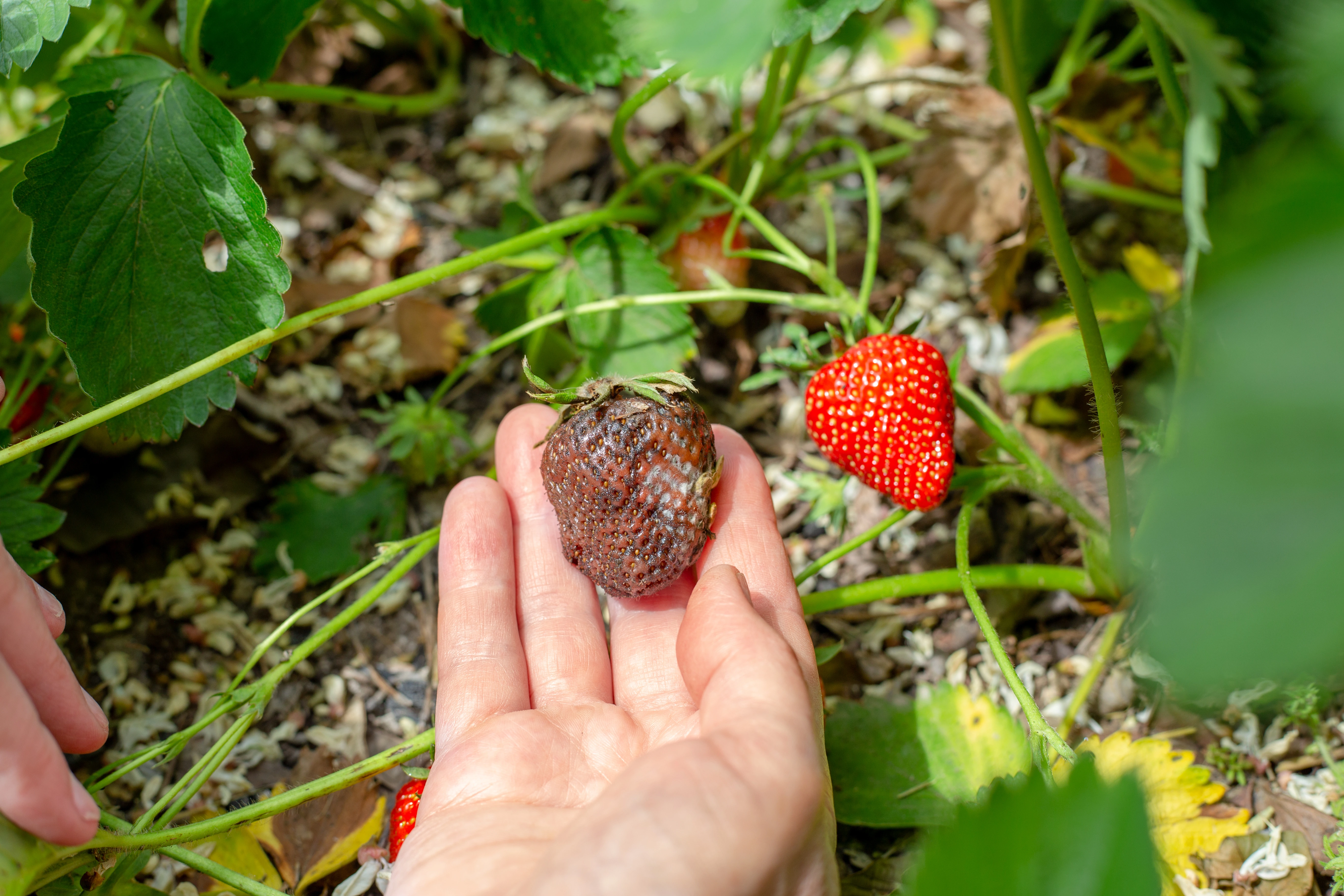
When planting for cut flowers, move planting area year to year to prevent tulip blight and/or tulip fire.
Tulips are mildly toxic, especially to cats, dogs, and horses.
Feeding
Add bulb fertilizer to planting hole.
Harvesting
Pick tulips when bud cracks (you can barely see color). For cut flowers, pull bulb and cut low for stem length.
Storage
Harvested tulips with bulb will last several weeks in a cooler (do not place in water).