Kumquat
Citrus spp.
Kumquats are small, oval-to-round citrus fruits with a sweet, edible peel and zingy flesh. The seeds are technically edible although many people prefer to spit them out! The kumquat tree is a relatively compact and low-maintenance citrus tree. Kumquat trees are hardy in USDA zones 8-11. They can endure a short period of light frost, moreso than other citrus trees, but they prefer warm, sunny weather. In colder climates kumquats can be grown in containers and overwintered indoors. They are attractive plants that can be grown for their looks just as much as their fruit!
How to Grow Kumquat
Quick Info

Put away the pen and paper
Plan your veggie garden in minutes with Planter's easy drag and drop planner.
Try Planter for Free
Nutrition
Vitamins


Nutrients




Pests
Diseases
Beneficial Critters
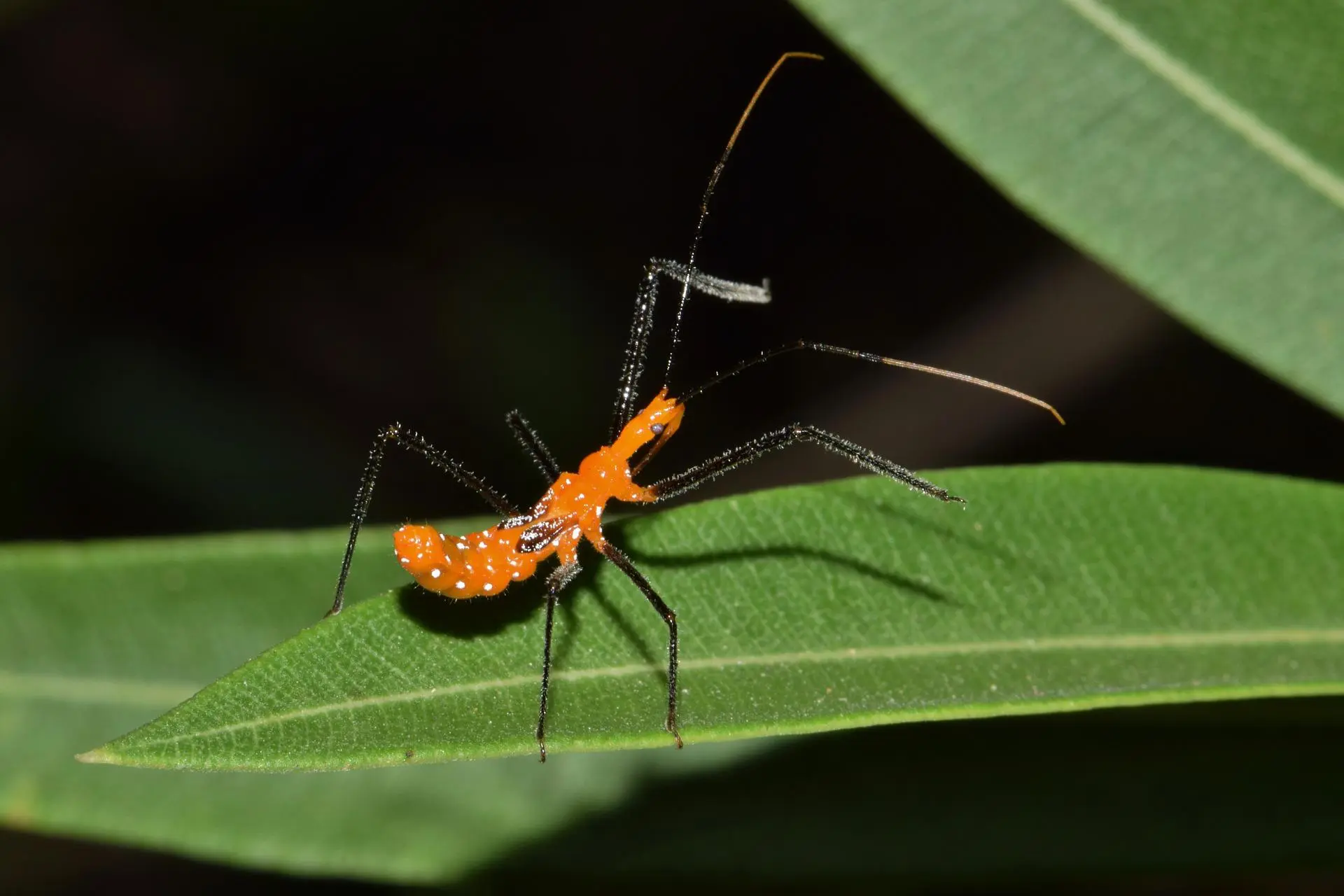
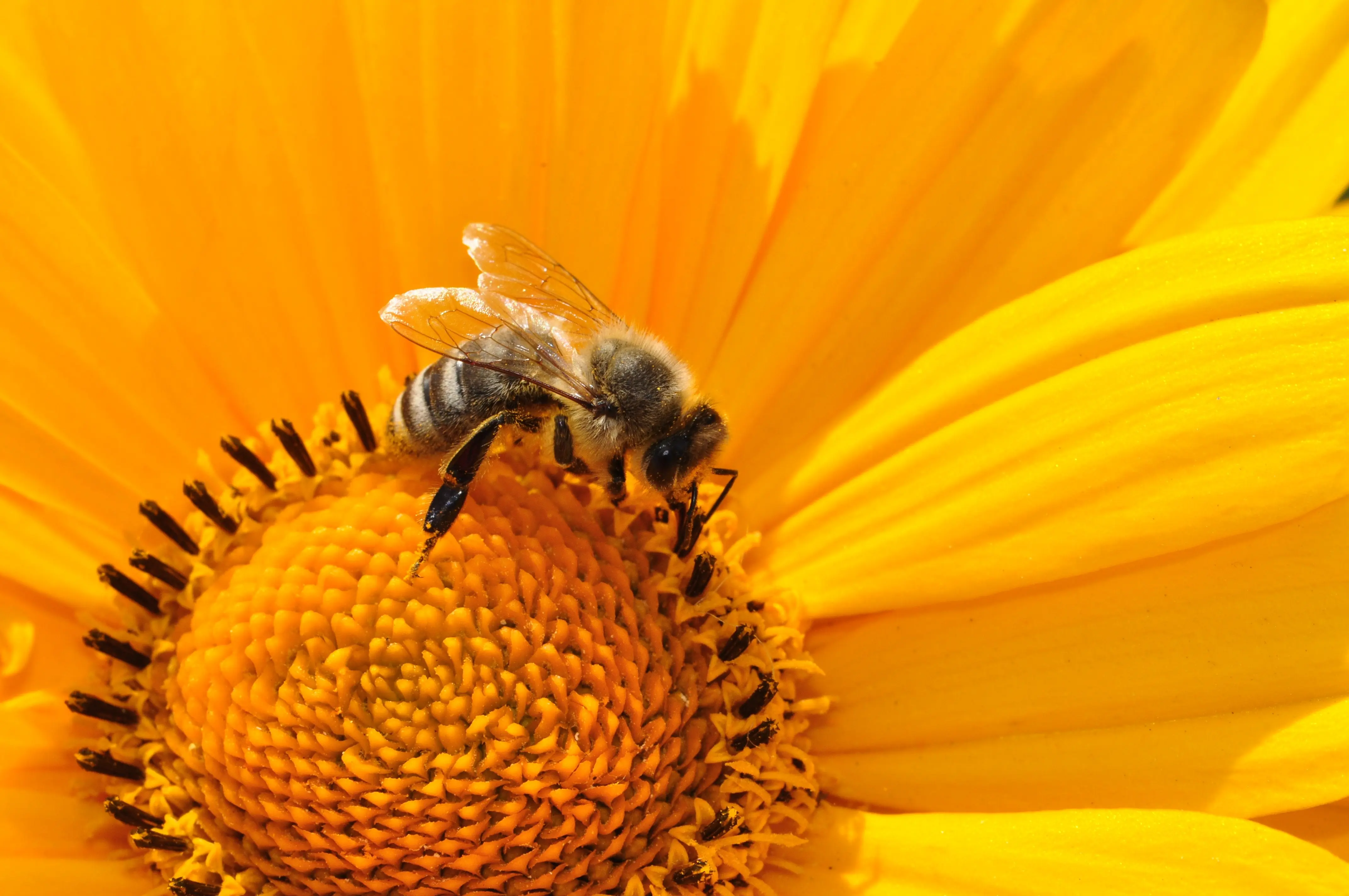

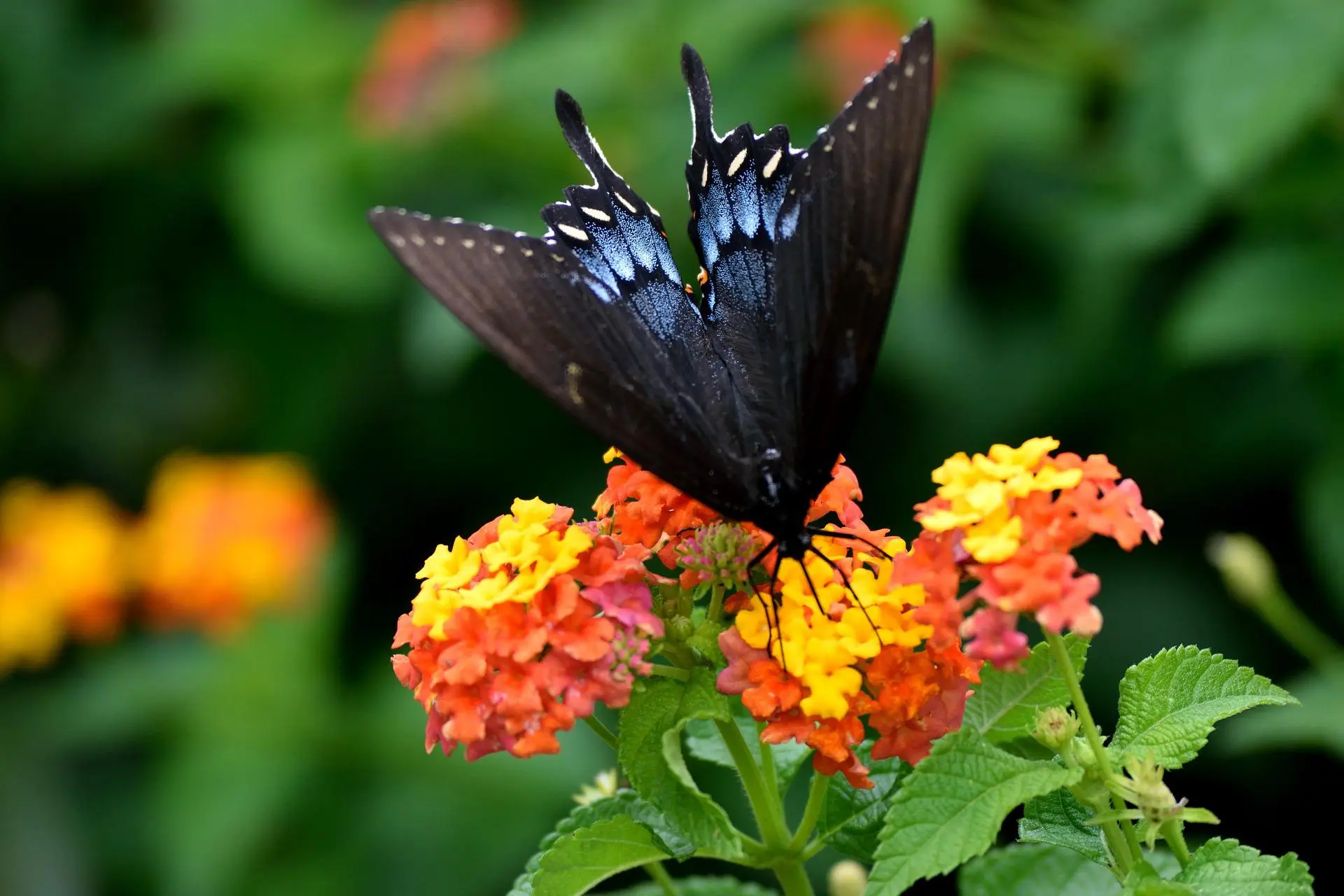
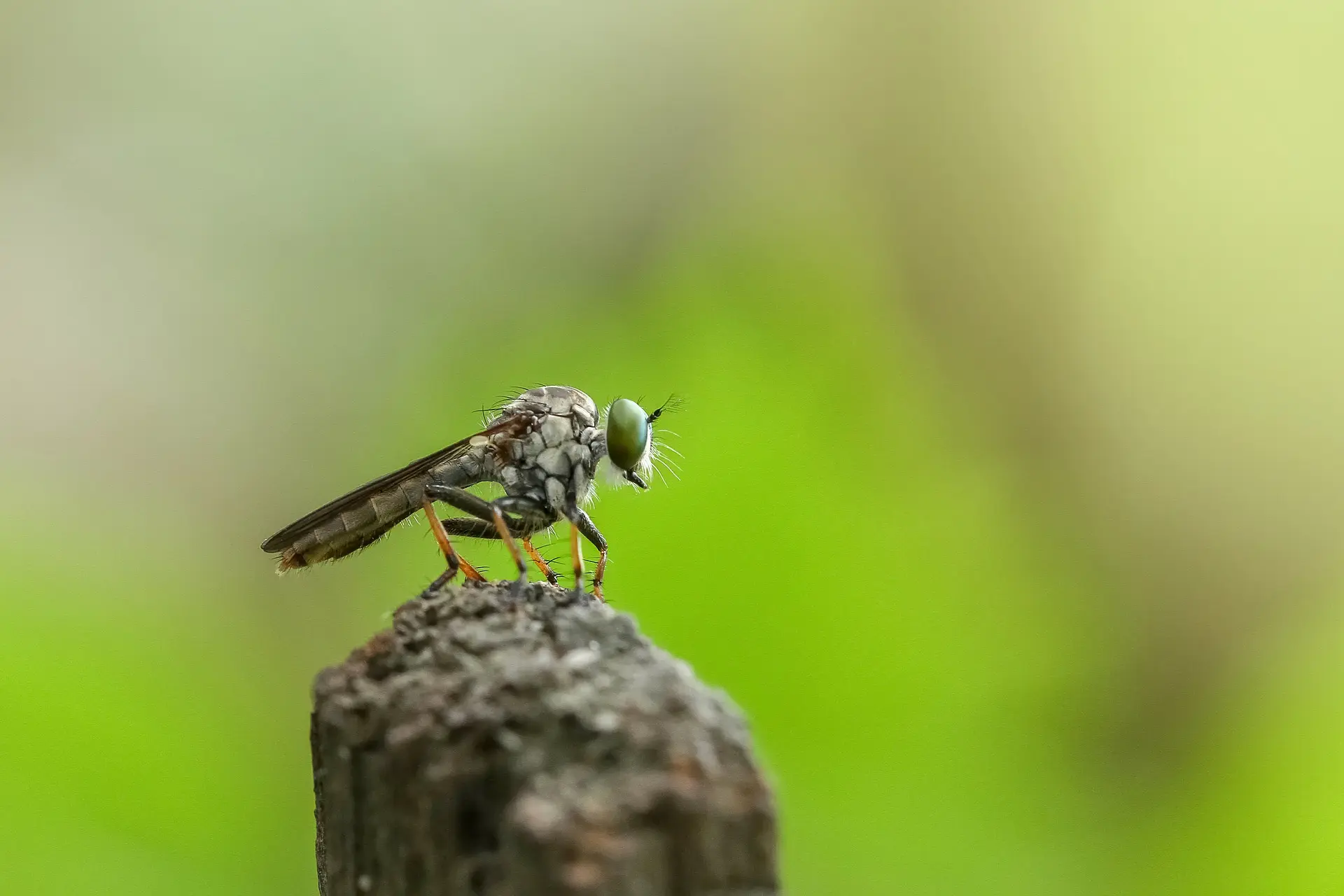
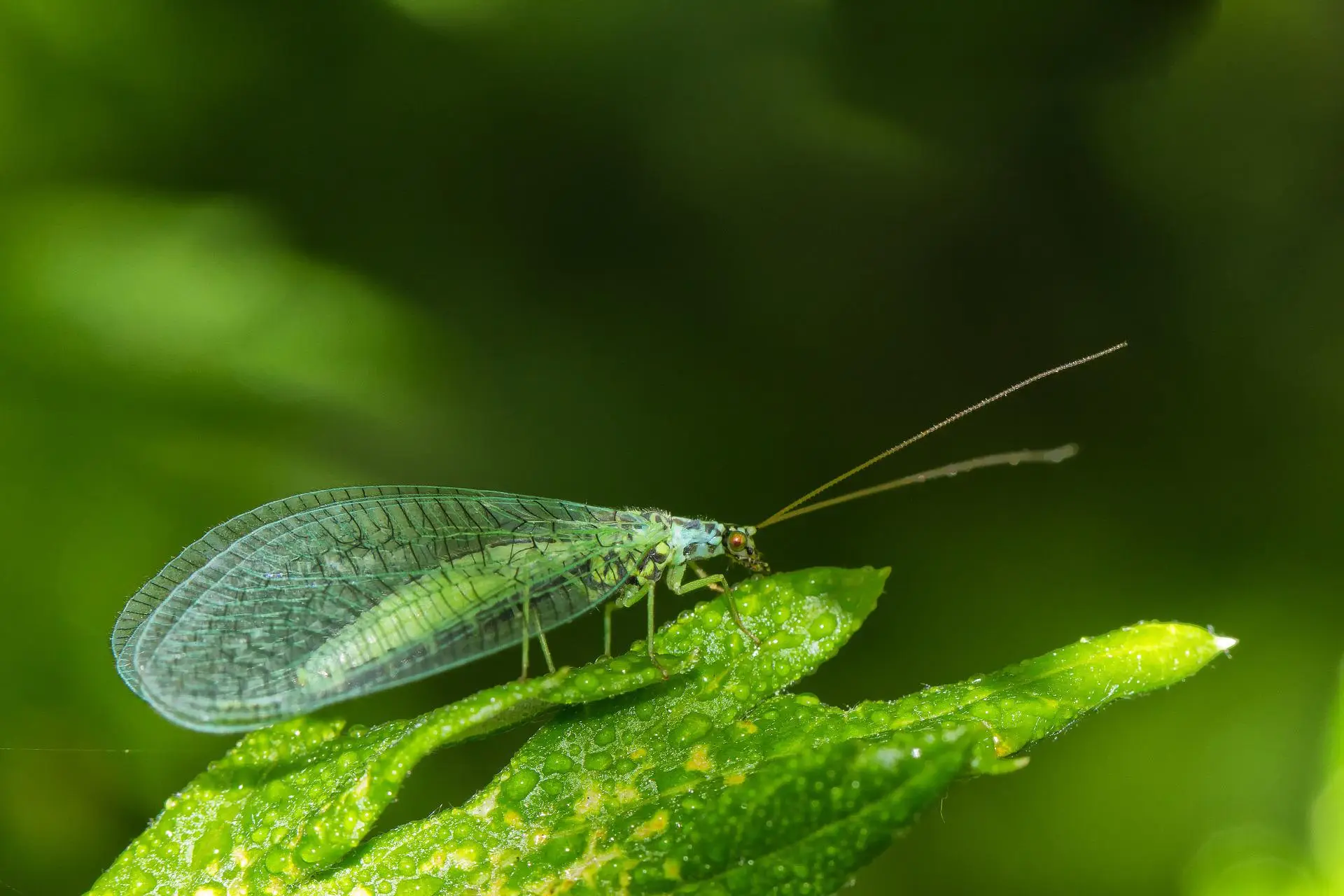
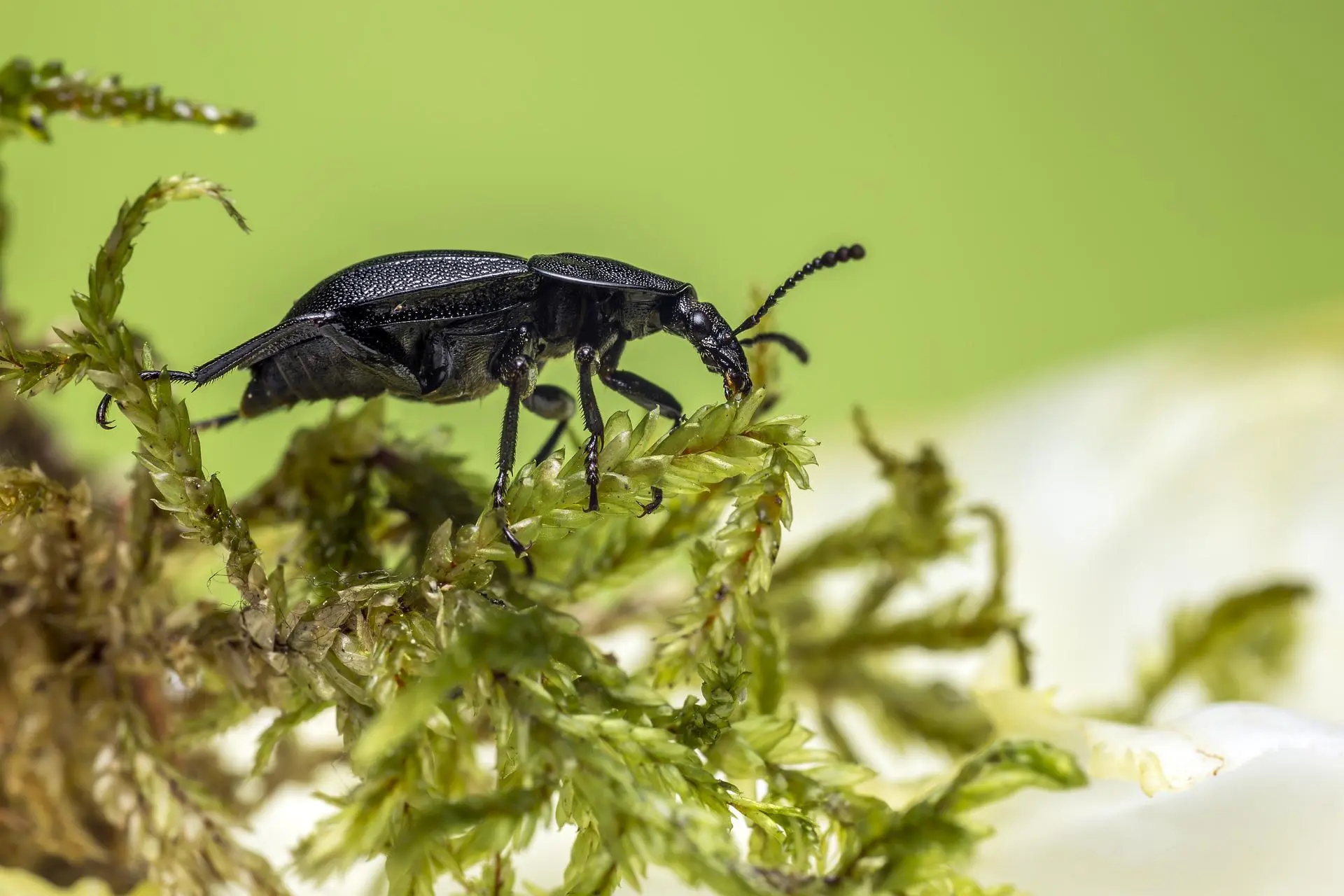
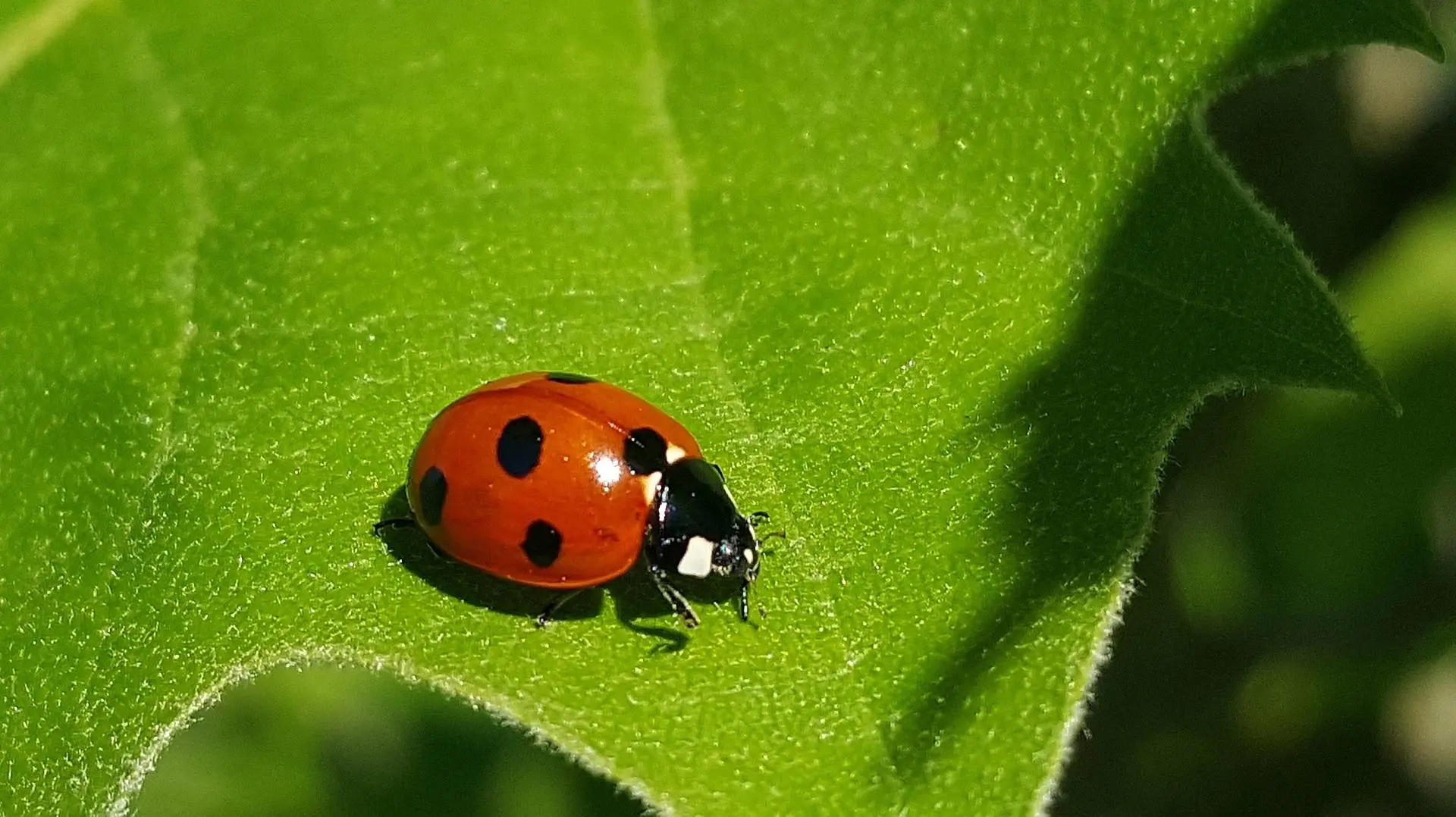
Growing from Seed
Kumquats are not typically started from seed. They are typically started from bare root plants or transplants.
Planting Considerations
Some kumquat varieties are sweeter and some are more sour. Be sure to select a variety with the flavor that you prefer. Kumquats are self-fertile, so only one tree is needed to produce fruit. In warm climates transplant kumquats outdoors in early spring. Kumquats prefer fertile, well-draining soil that does not become waterlogged. To grow kumquat in a container choose a container that is 5-15 gallons and allows for good drainage. Plant to the same depth as the soil in the nursery pot (or in the case of bare root plants plant to the soil line on the trunk). Soak bare root plants for 1-2 hours before transplanting.
Feeding
Kumquat trees are heavy feeders. Fertilize regularly throughout the growing season with a fertilizer formulated for citrus trees. Trees grown in containers will need more frequent fertilizing.
Harvesting
The right time to harvest kumquats depends on which variety you are growing and your local climate; often from winter through to early spring. Kumquats are harvested when they are fully ripe as they do not ripen off the tree. They will be orange and plump, and will have a slight give to them when gently pressed. The rind should be sweet and the flesh tart (how tart will depend on the variety). Use a clean pair of snips to cut the fruit from the tree. It is possible for some branches to have thorns so you may choose to use gloves to harvest. Ripe kumquats hold well on the tree so you can leave them on if you don't plan to use them right away.
Storage
Whole kumquats can be stored at room temperature for a few days or in the the fridge for up to 2 weeks. Kumquats can be frozen whole, but you may want to slice them to remove the seeds first. Place the fruits (or fruit pieces) in a single layer on a baking sheet to freeze. Once frozen, transfer them to a freezer-safe bag and store in the freezer for up to several months. They can also be preserved in simple syrup (either for jarring or for freezing) which adds sweetness and helps to keep their texture and flavor. Kumquats can be candided or turned into marmalade for long-term preservation.
Pruning
Kumquat trees tend to hold their shape and compactness well but they do benefit from some light pruning after harvesting is done for the season. Prune off all diseased and damaged branches. Remove crossing branches that could rub together and cause wounds. If desired, prune lightly to remove any awkward branches that don't fit the shape of the tree. Remove any suckers that emerge from the trunk throughout the growing season.