Rose
Rosa
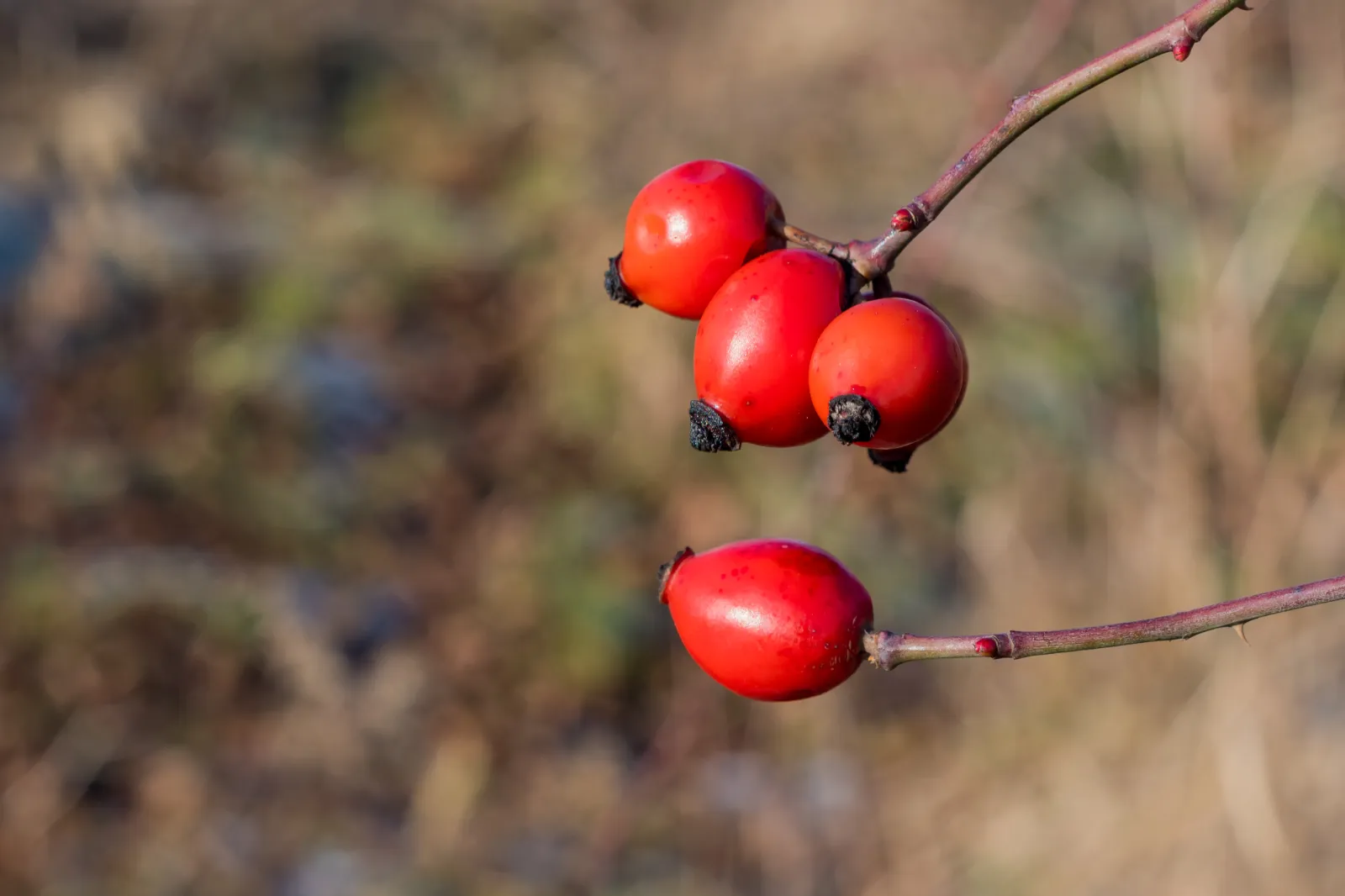
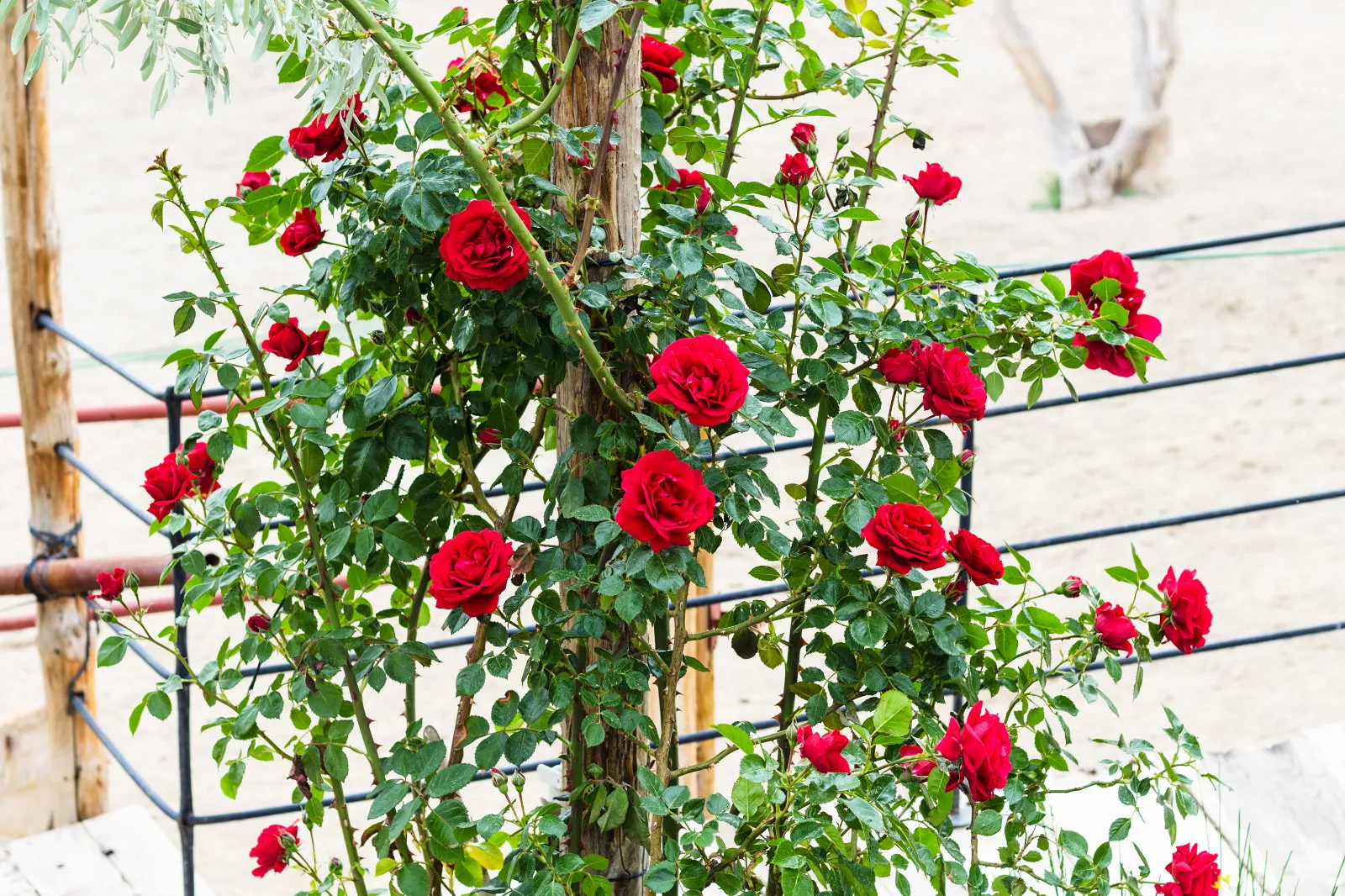
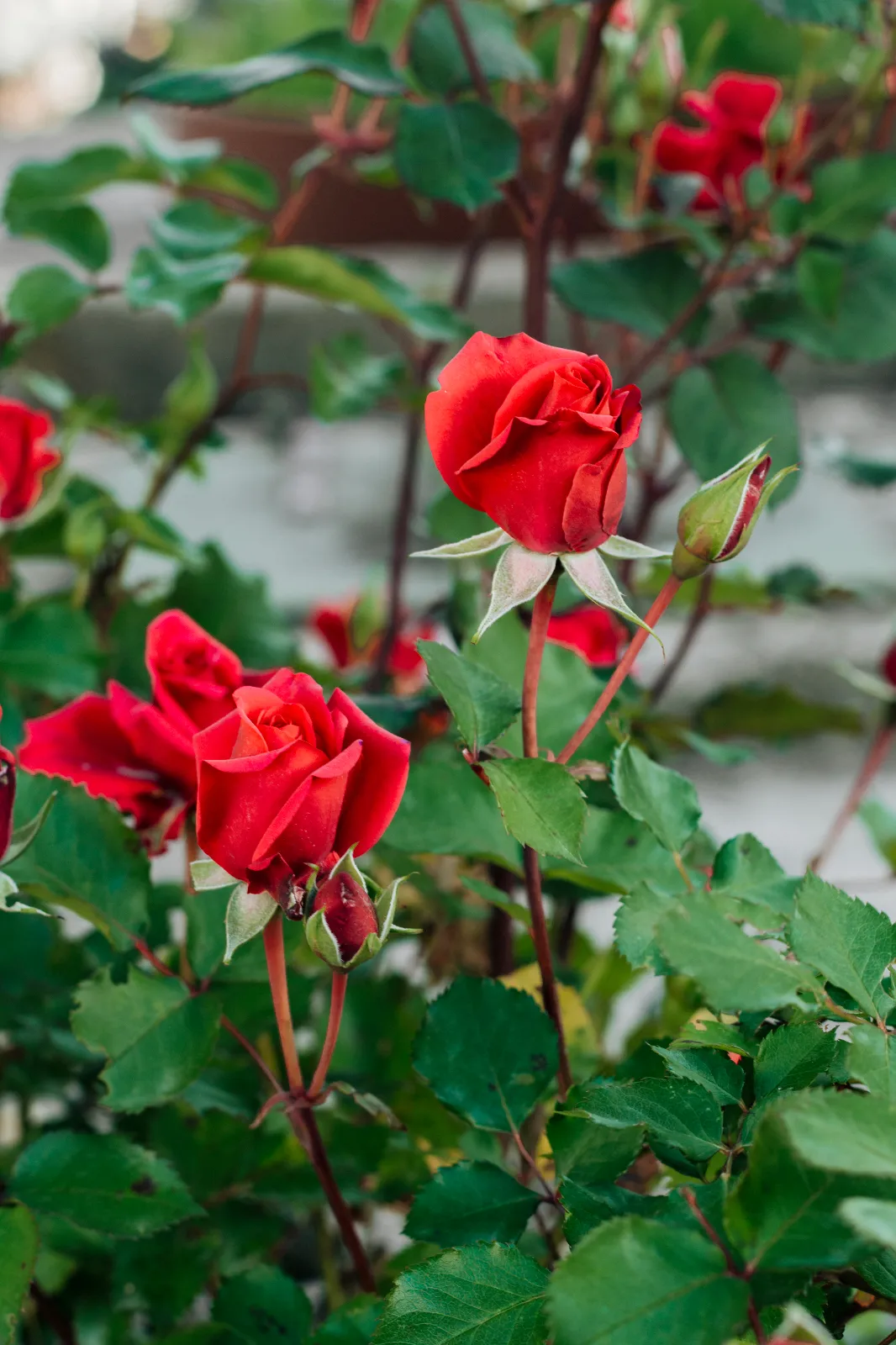
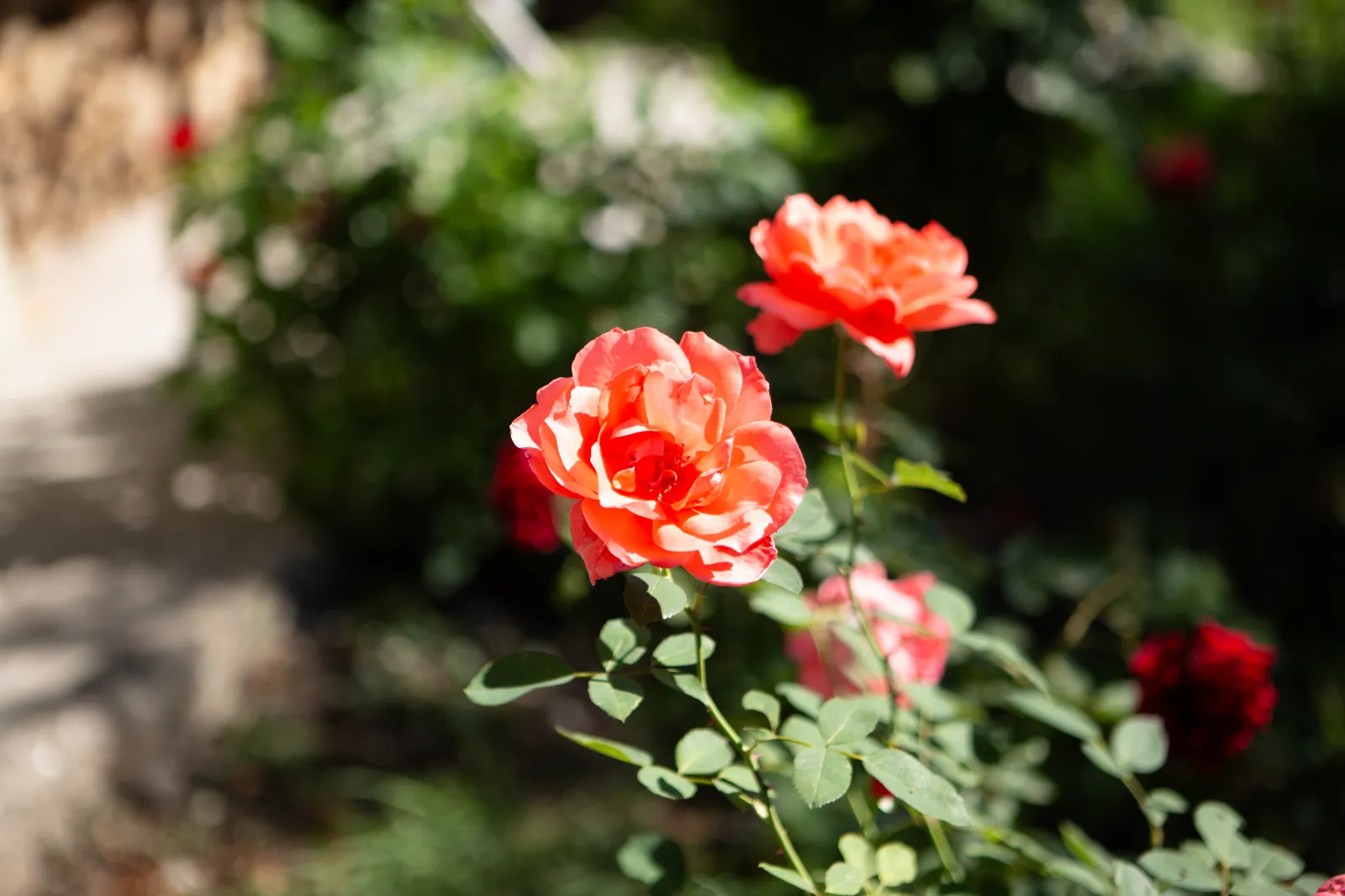
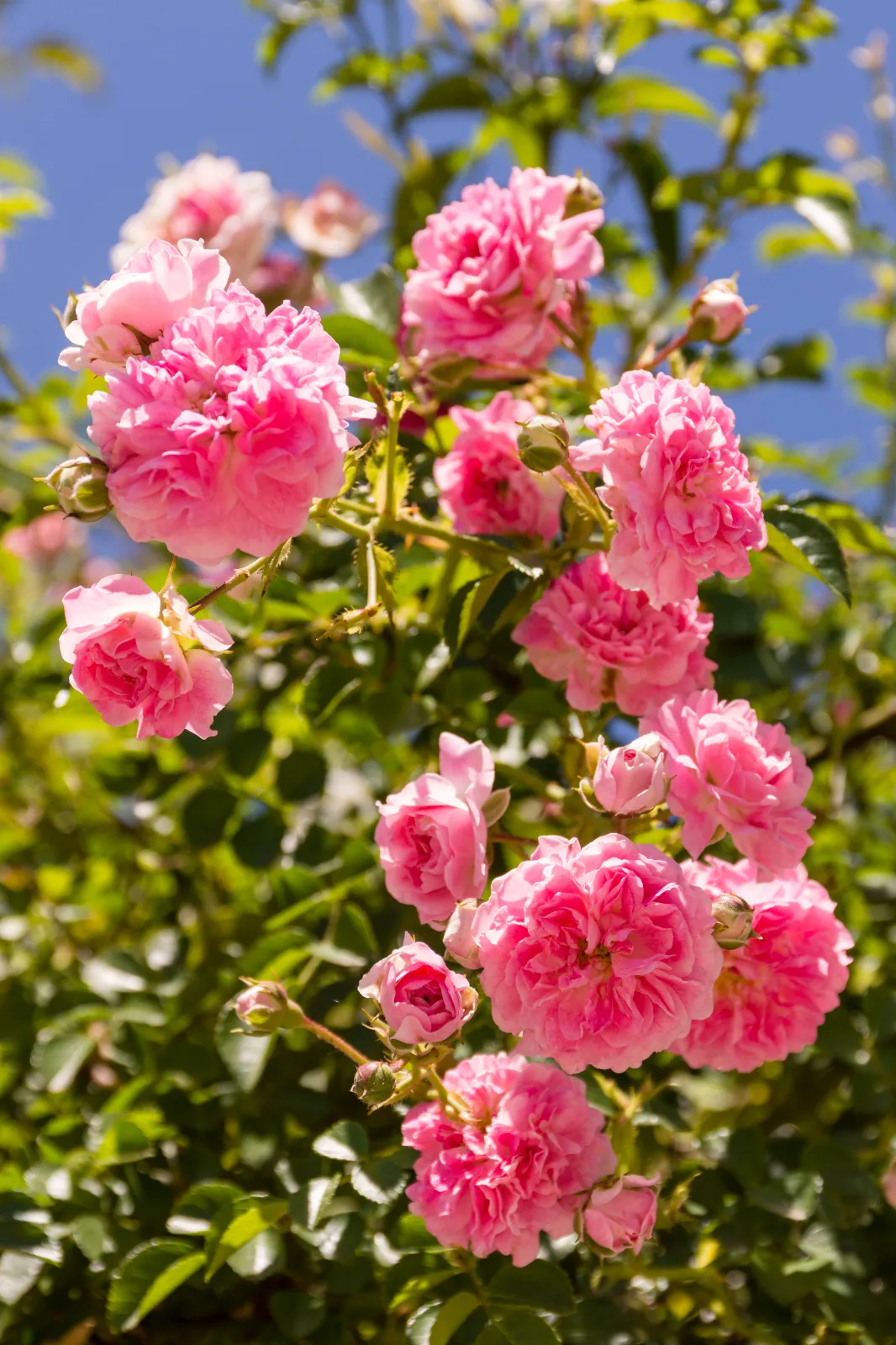
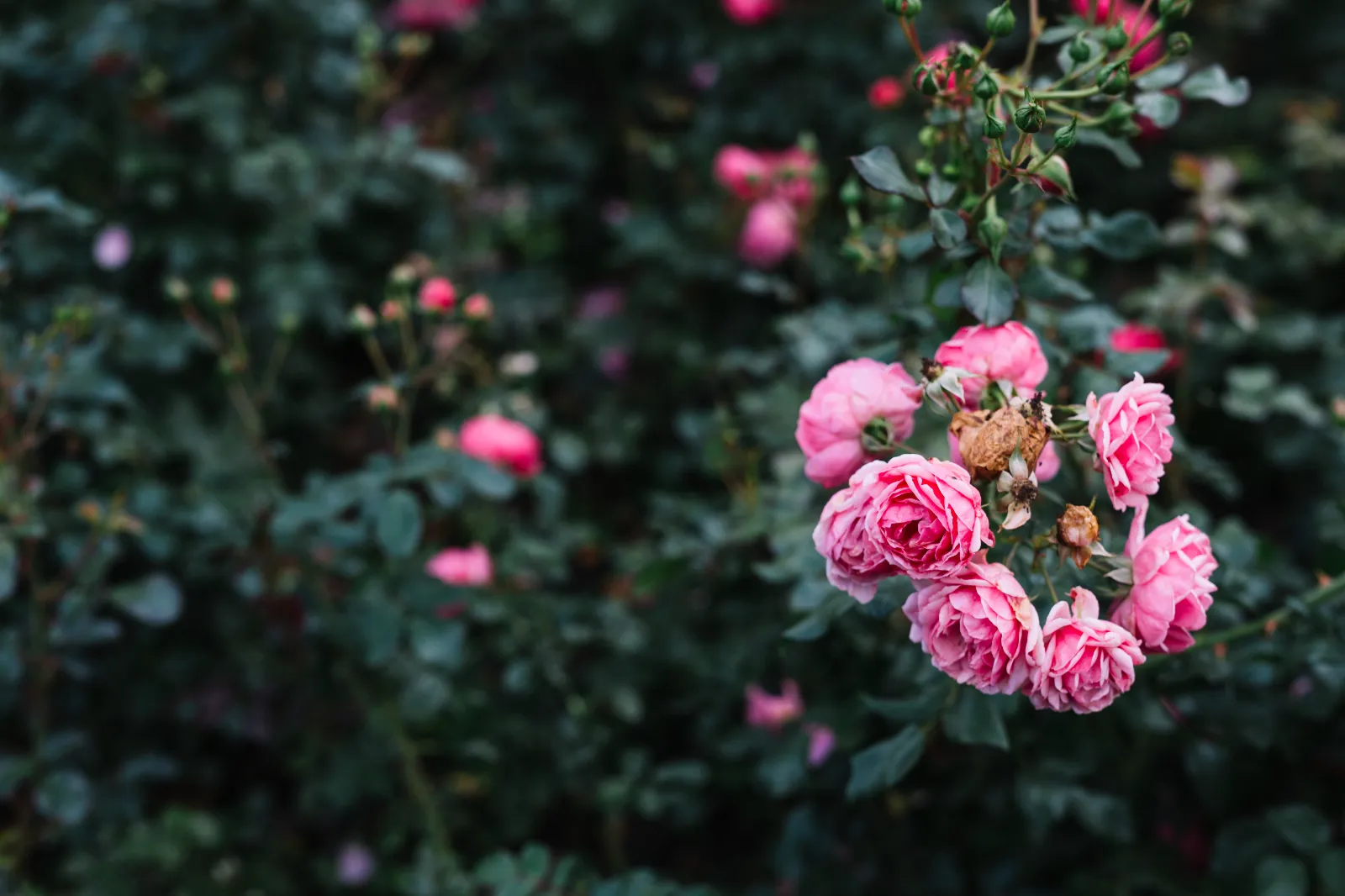
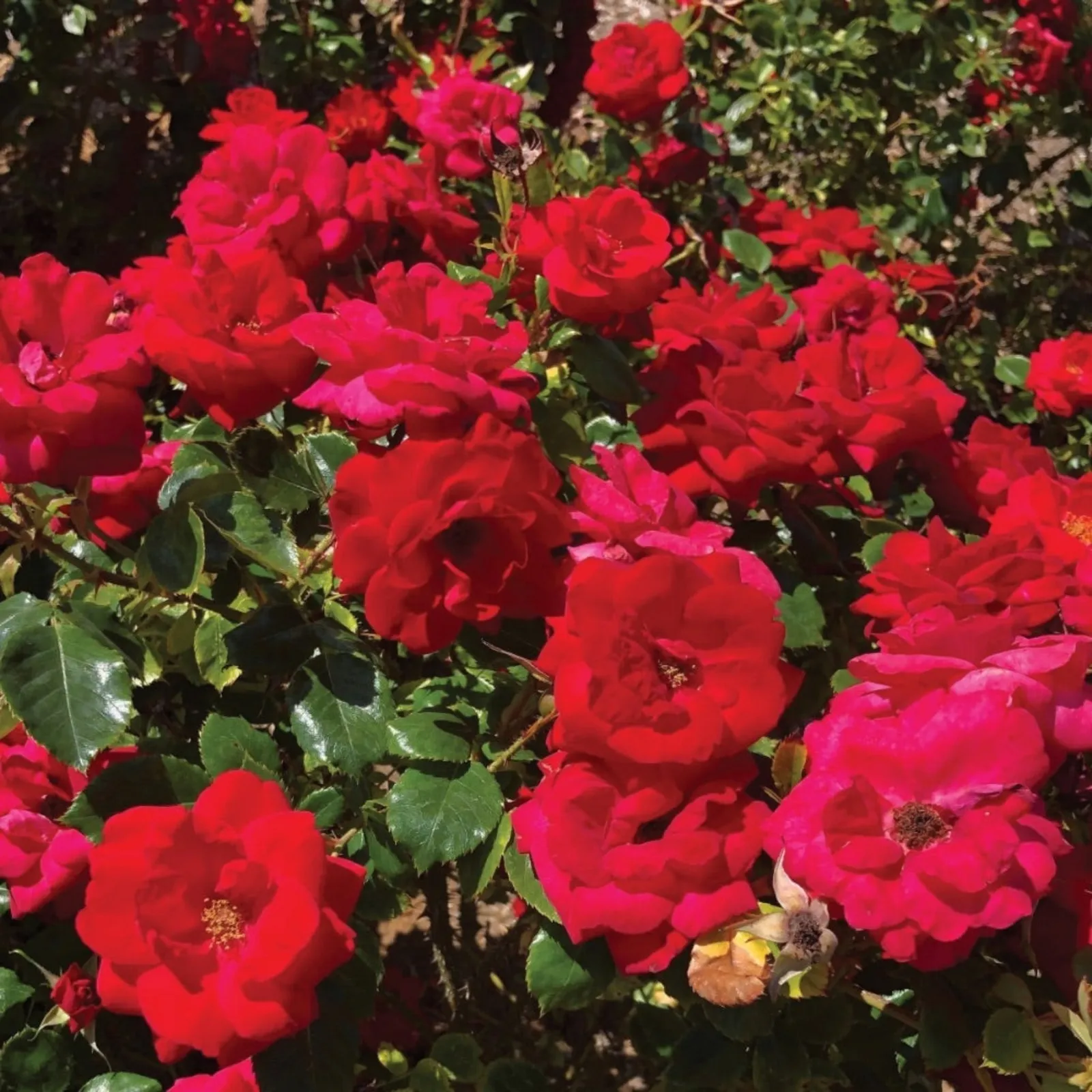
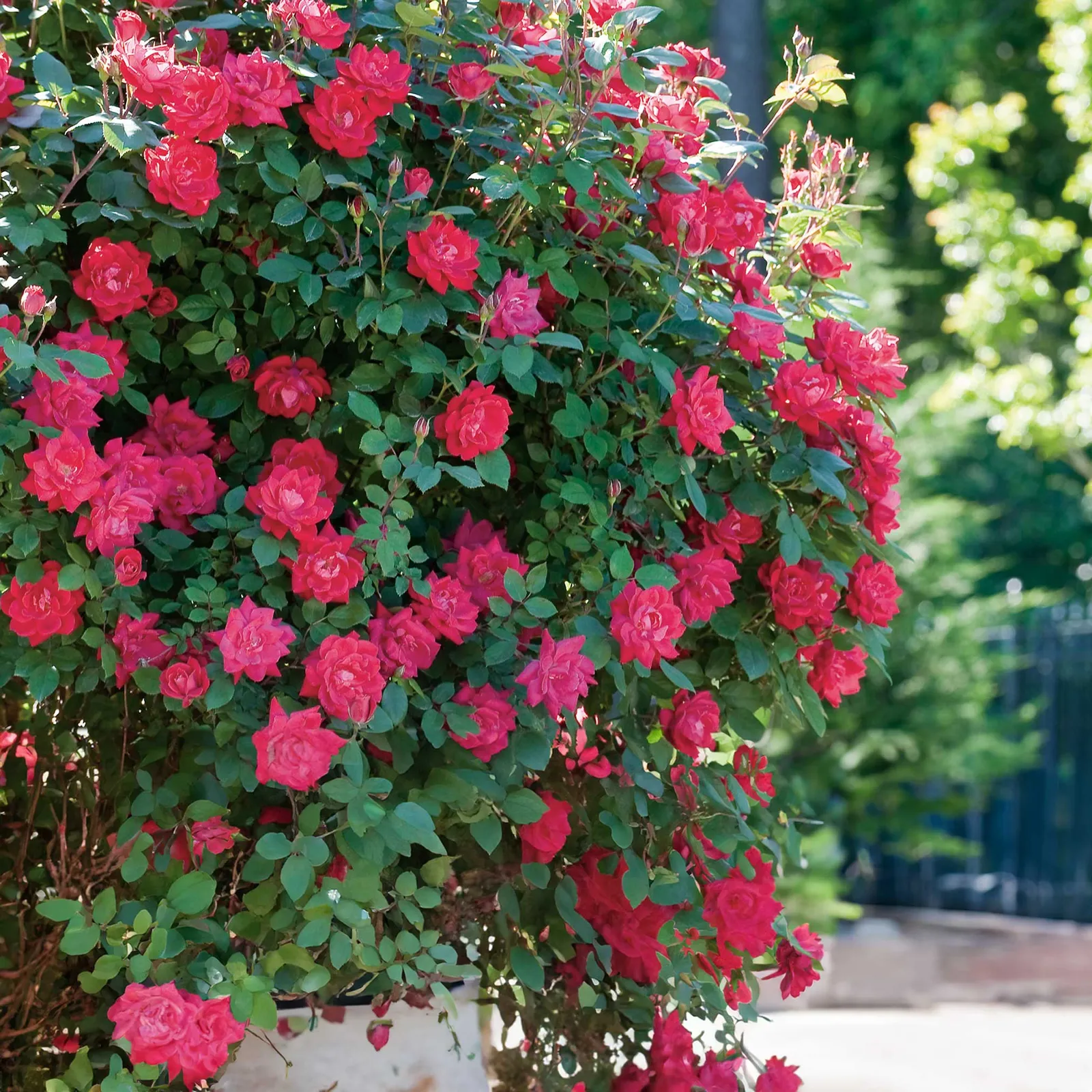
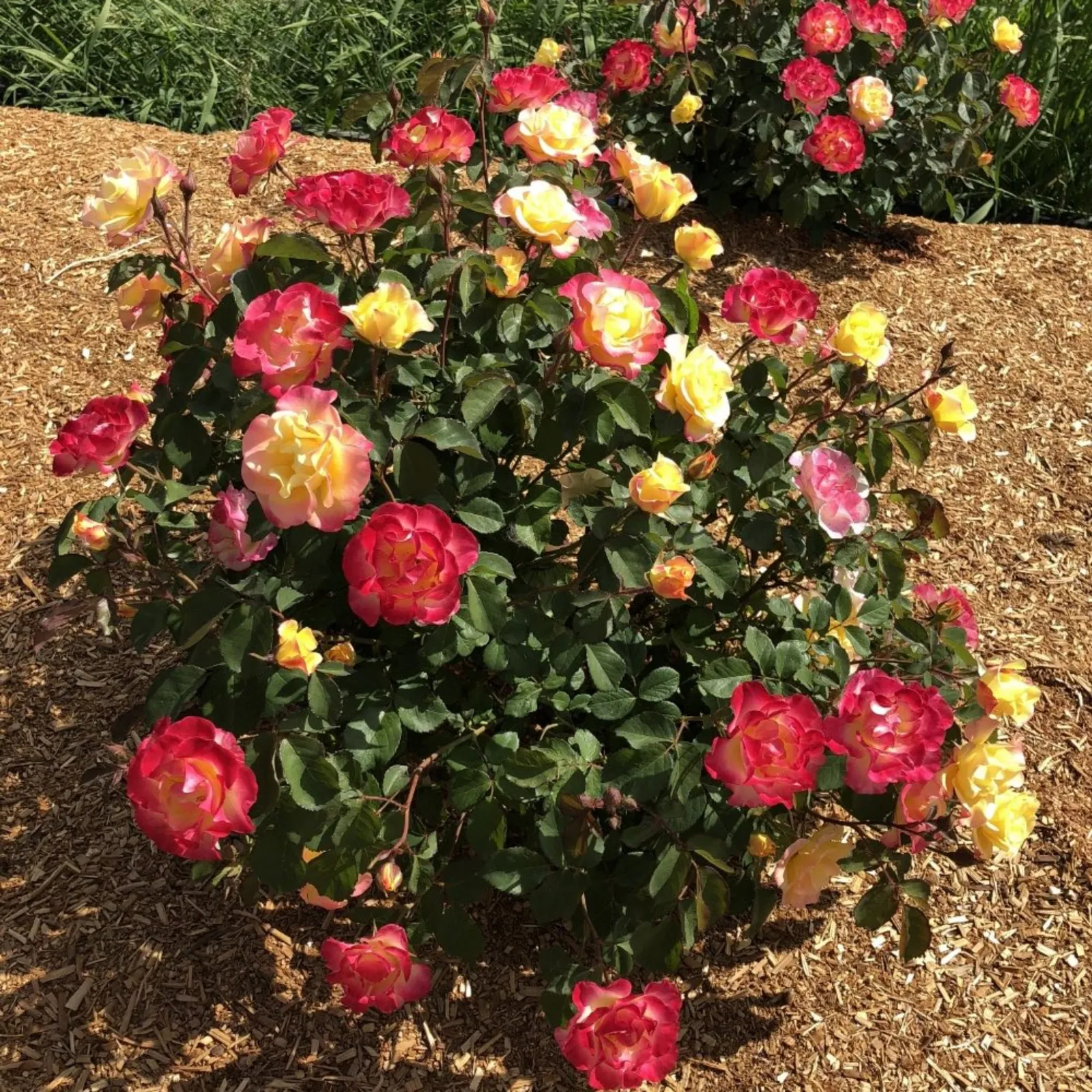
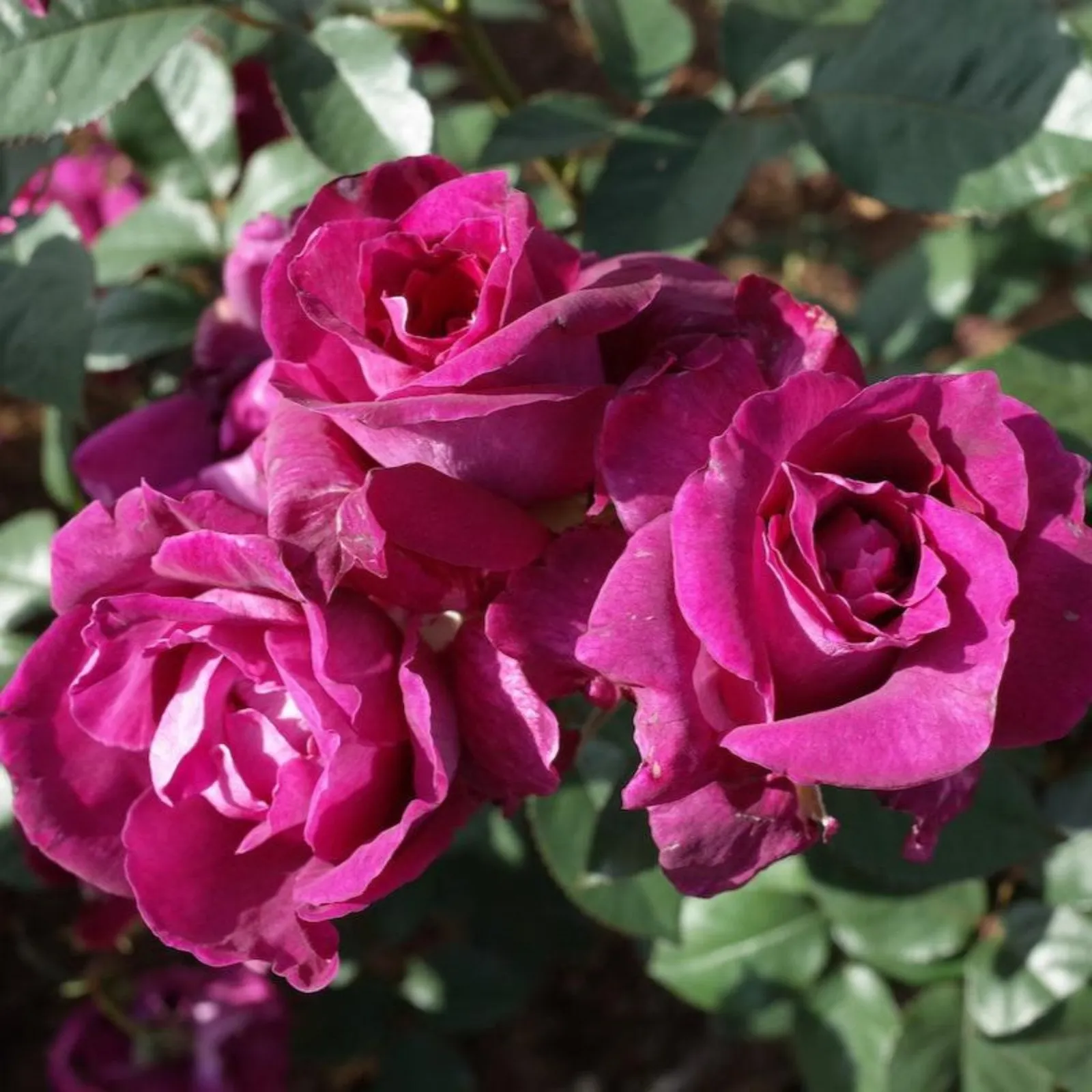
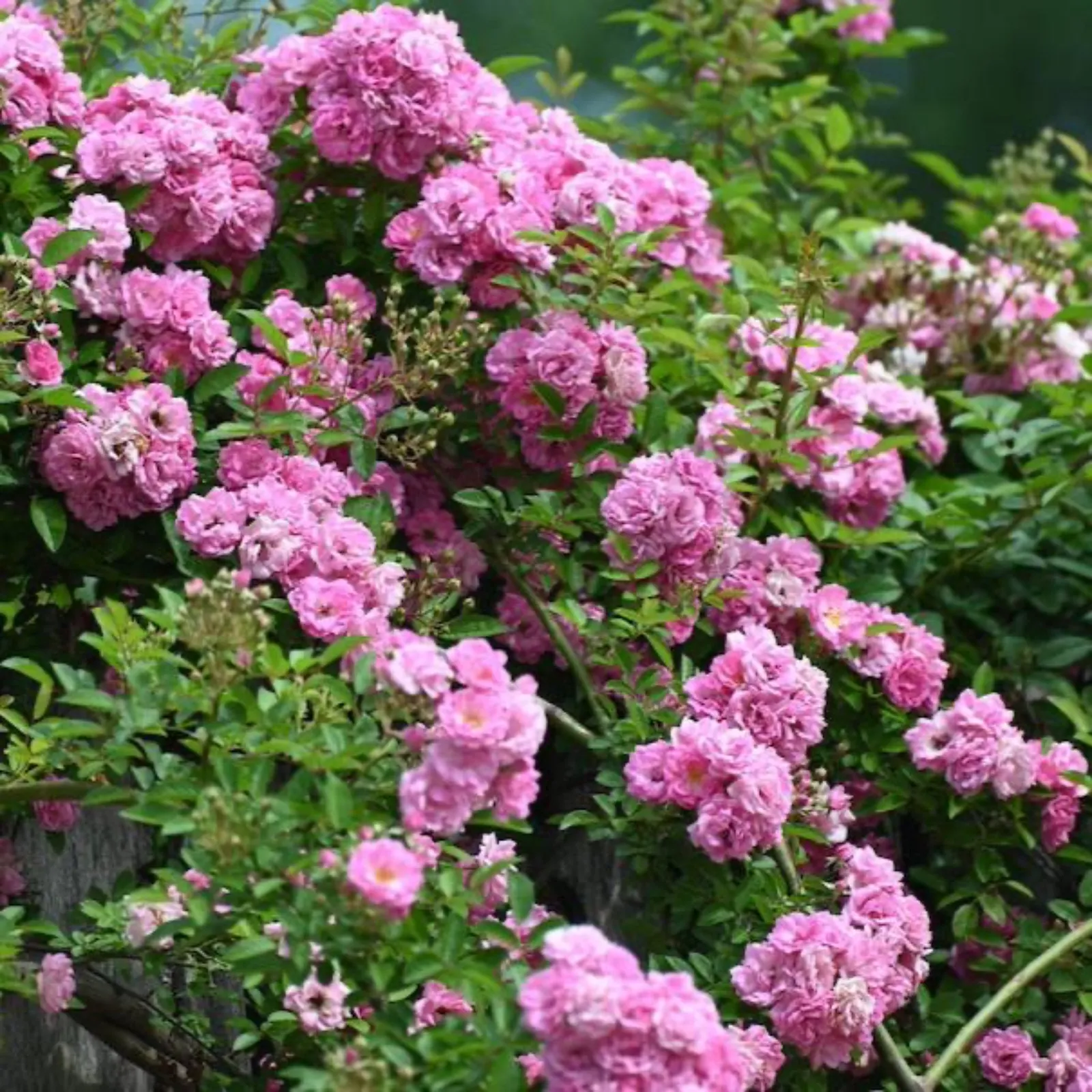
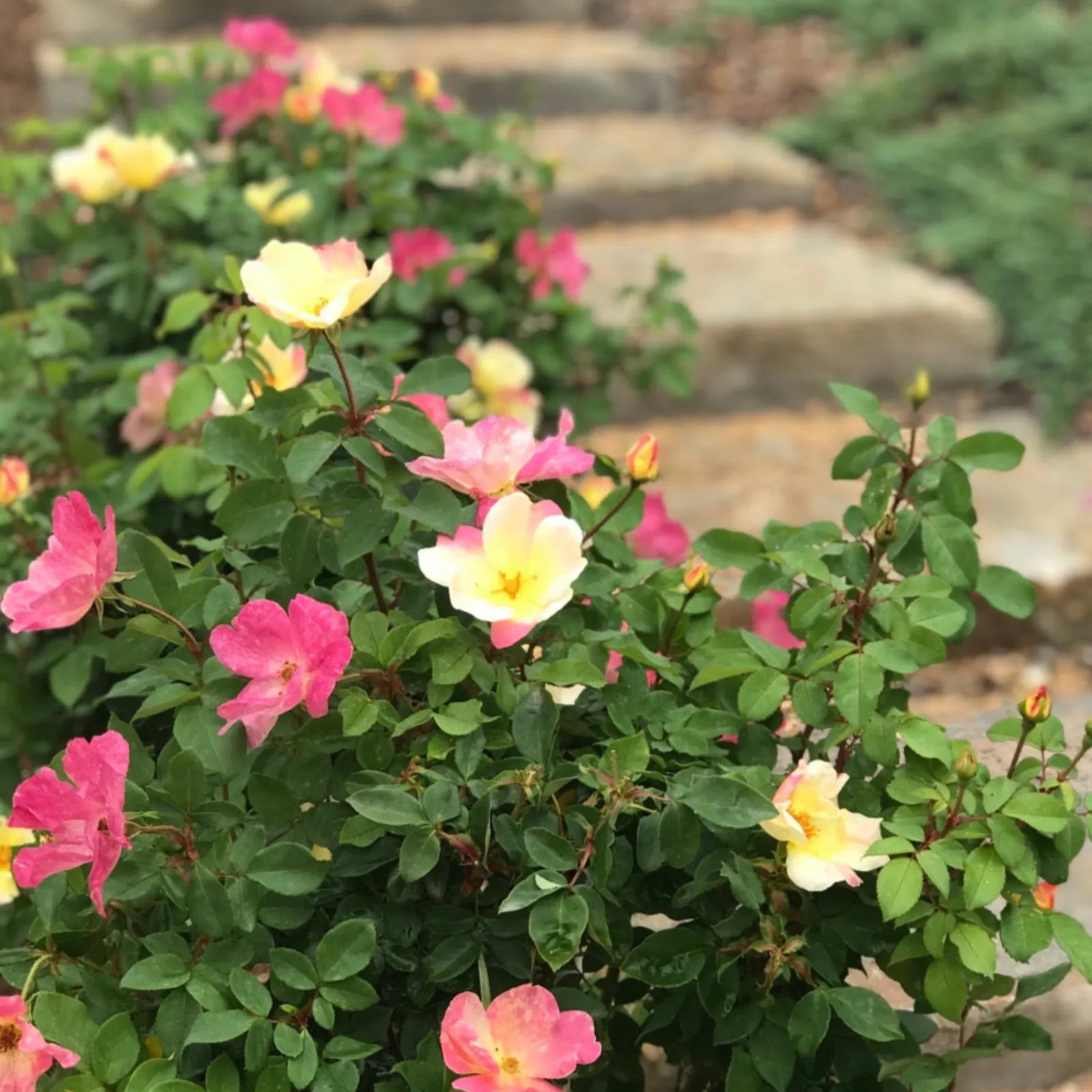
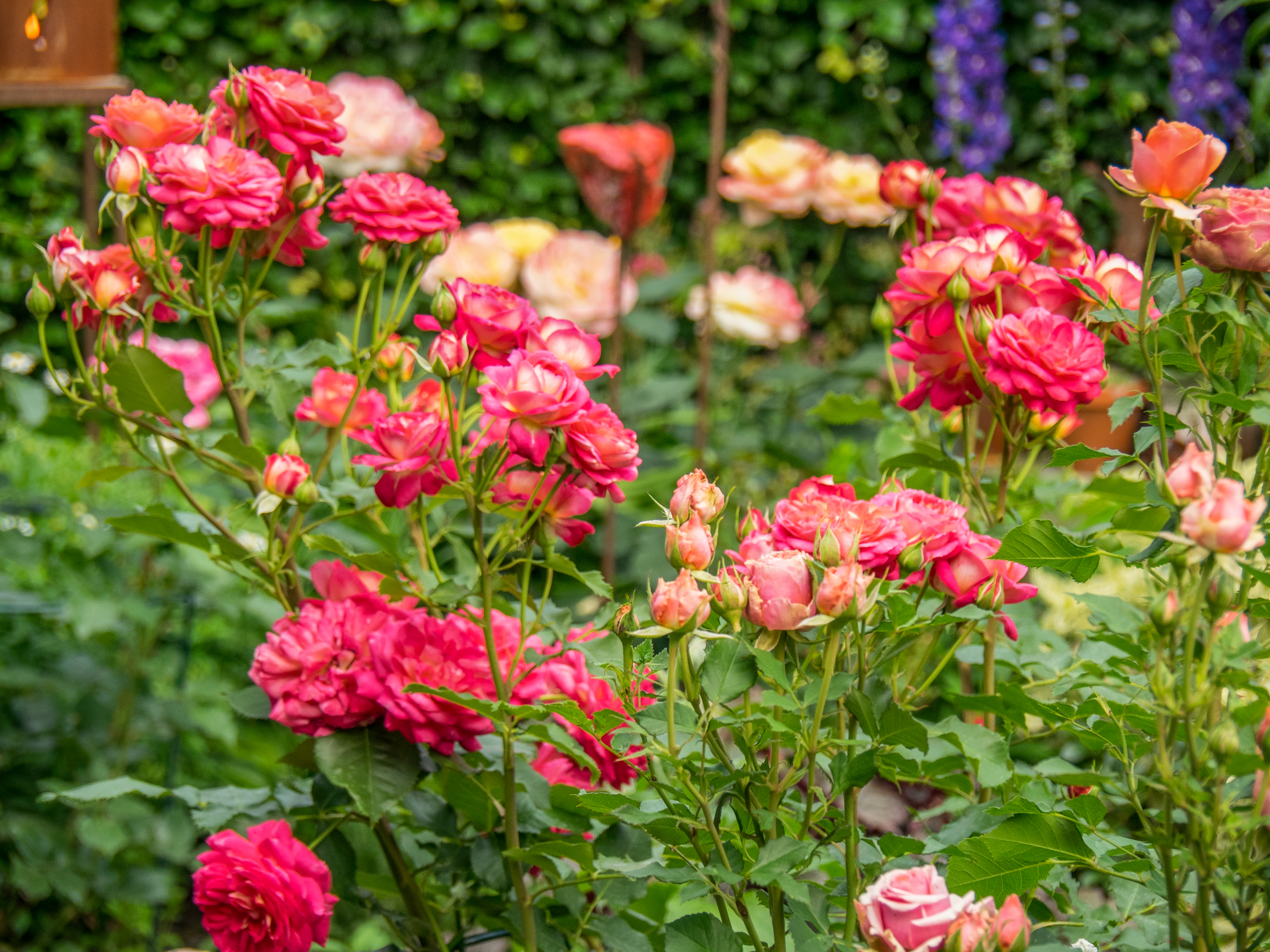
These often fragrant flowers are at home in any garden, including edible gardens (the fruit, or hip, is edible to humans as well as wildlife). Roses can be climbers/ramblers, upright, or spreading. There is a seemingly endless list of rose cultivars, but the most common garden roses are hybrid tea, floribunda, and grandiflora. These require consistent pest/disease control. Shrub and species roses generally require less maintainence. Fun Fact: The proper name for rose thorns is 'prickles.'
How to Grow Rose
Quick Info


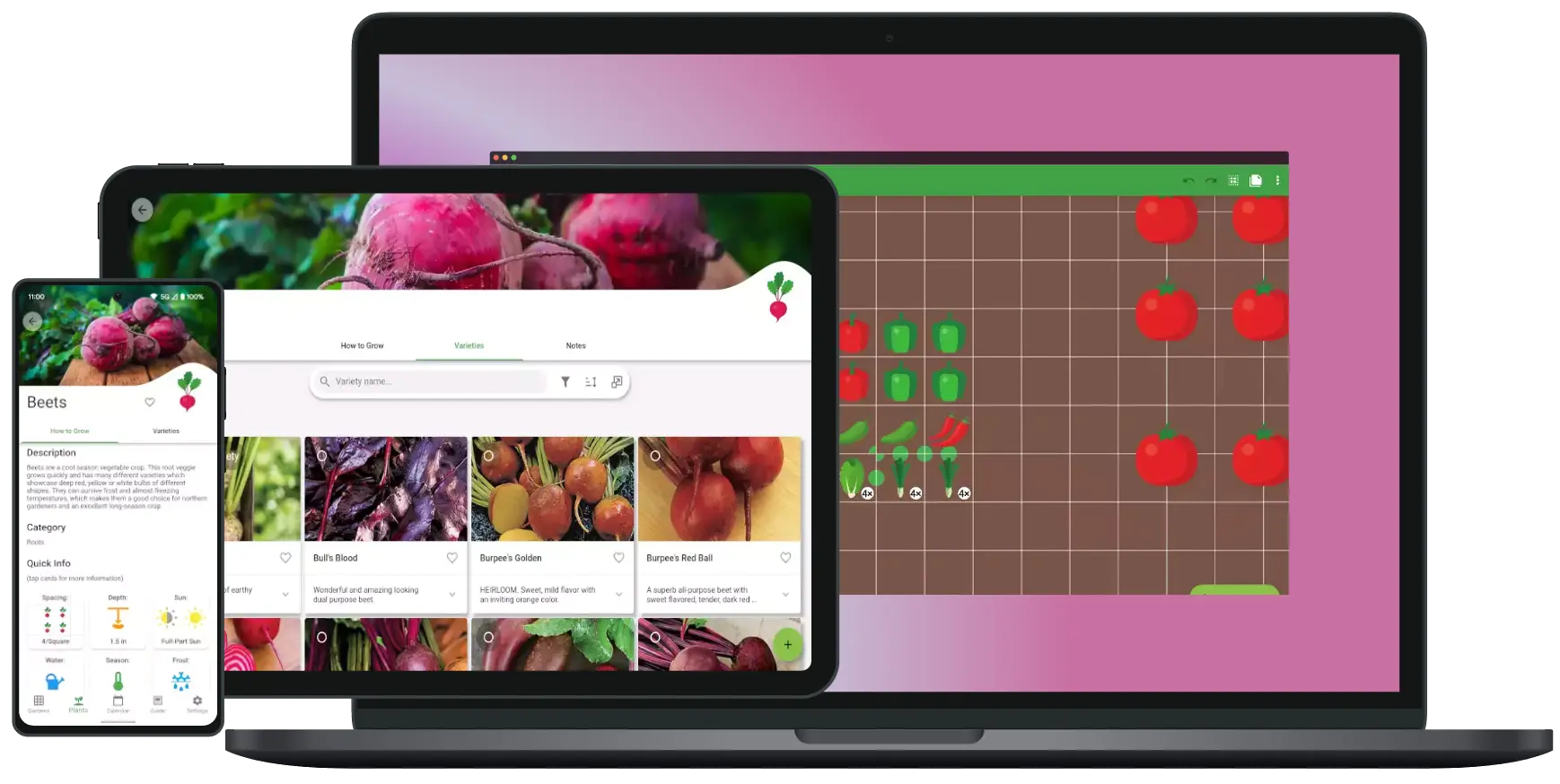
Put away the pen and paper
Plan your veggie garden in minutes with Planter's easy drag and drop planner.
Try Planter for Free
Varieties
Related Articles
.jpg)
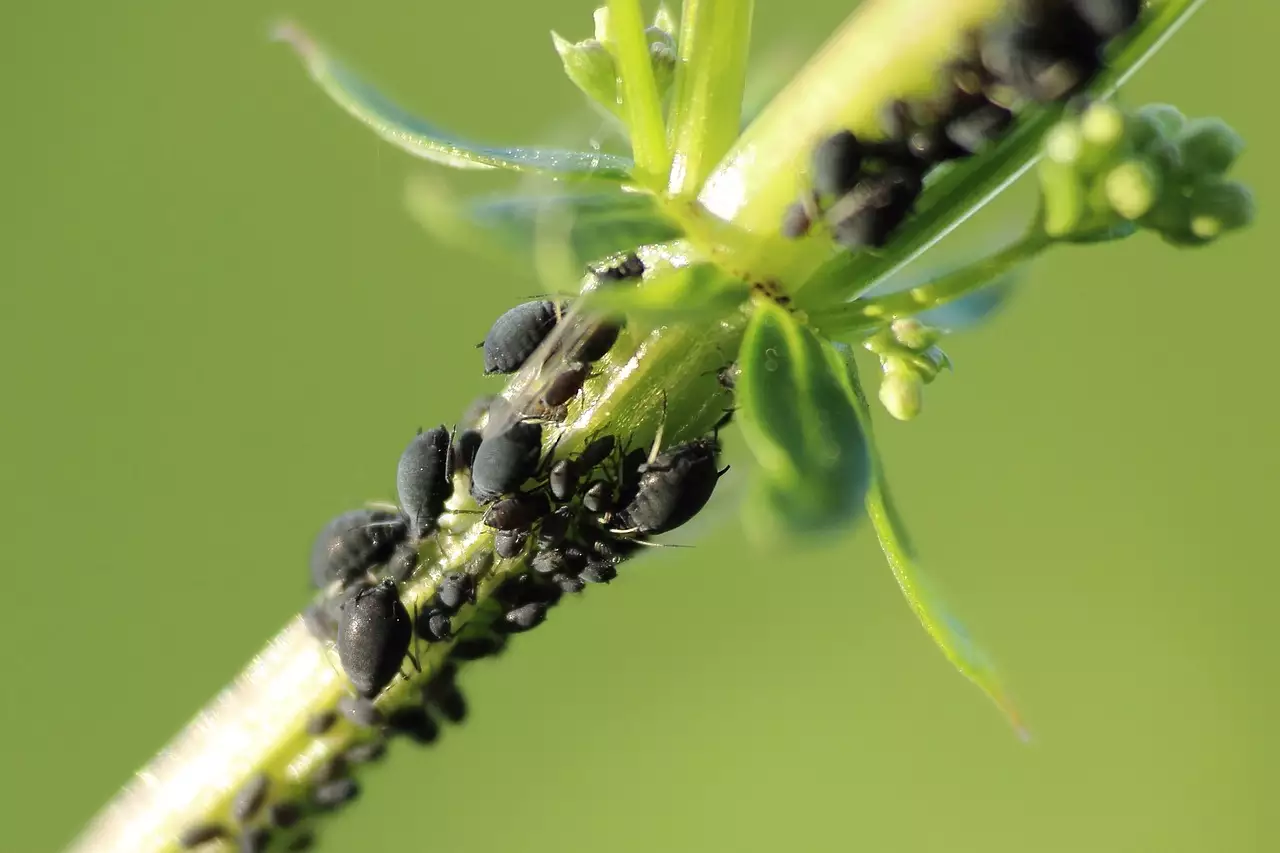
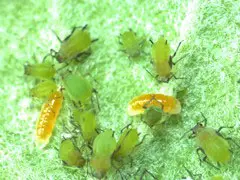
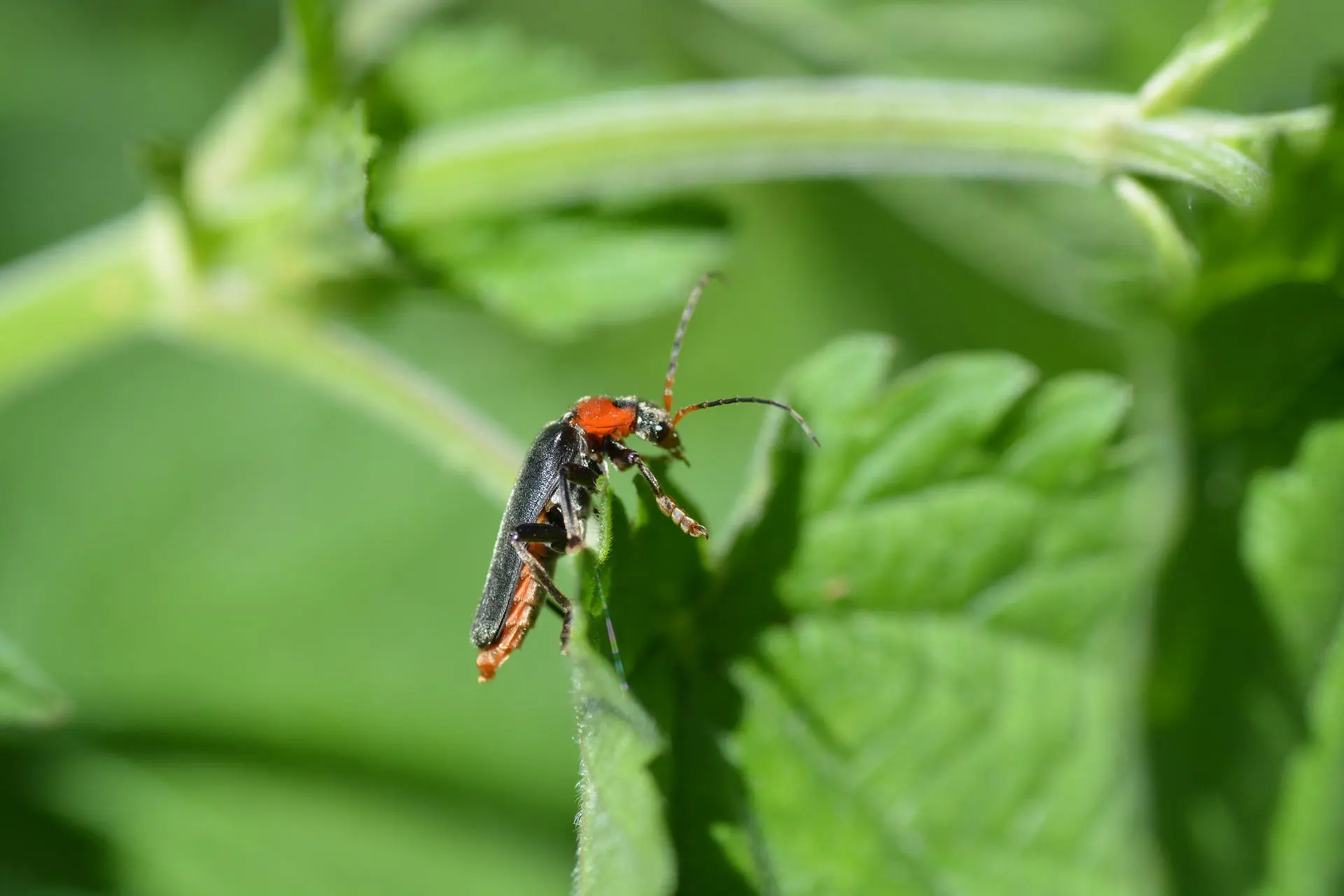
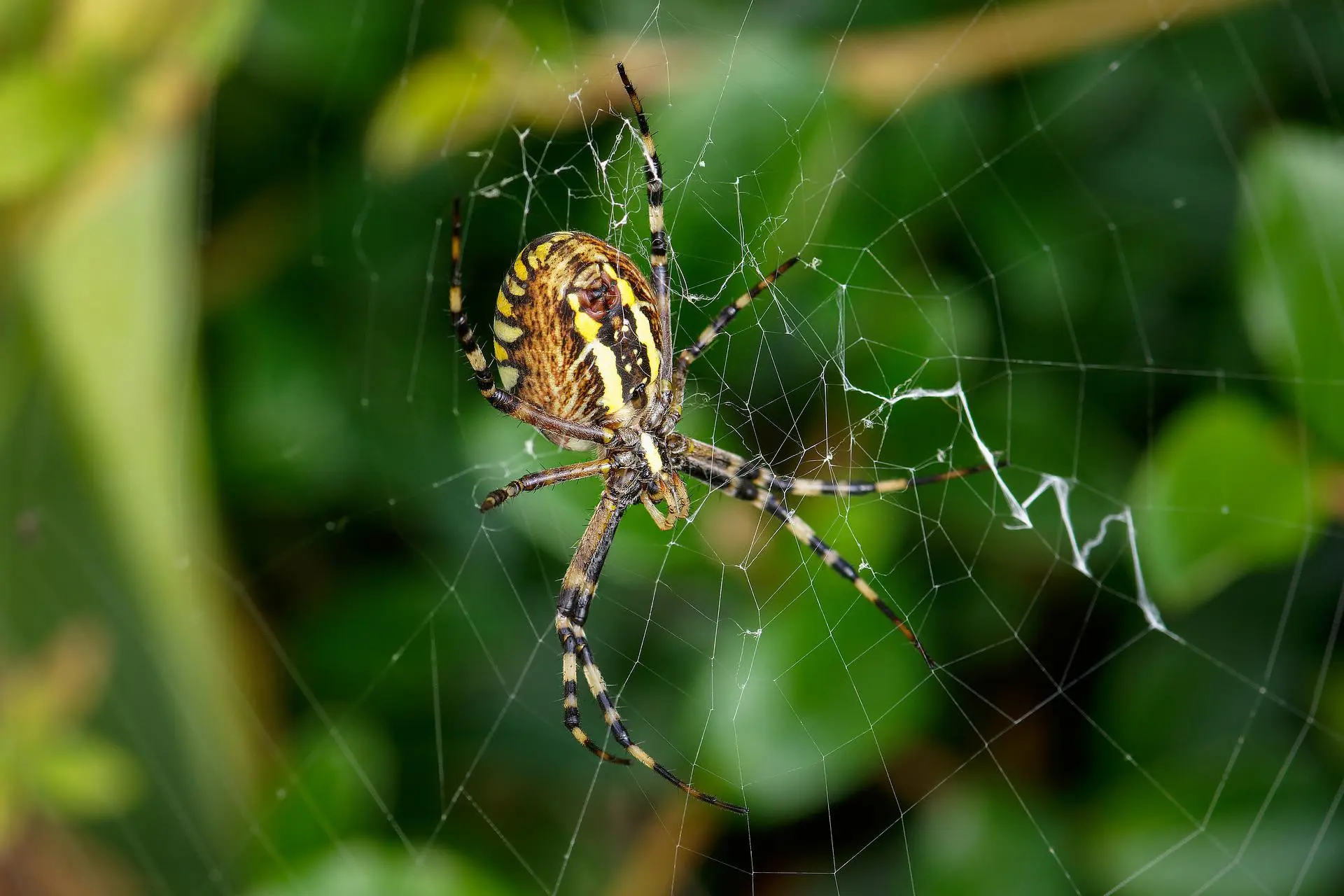
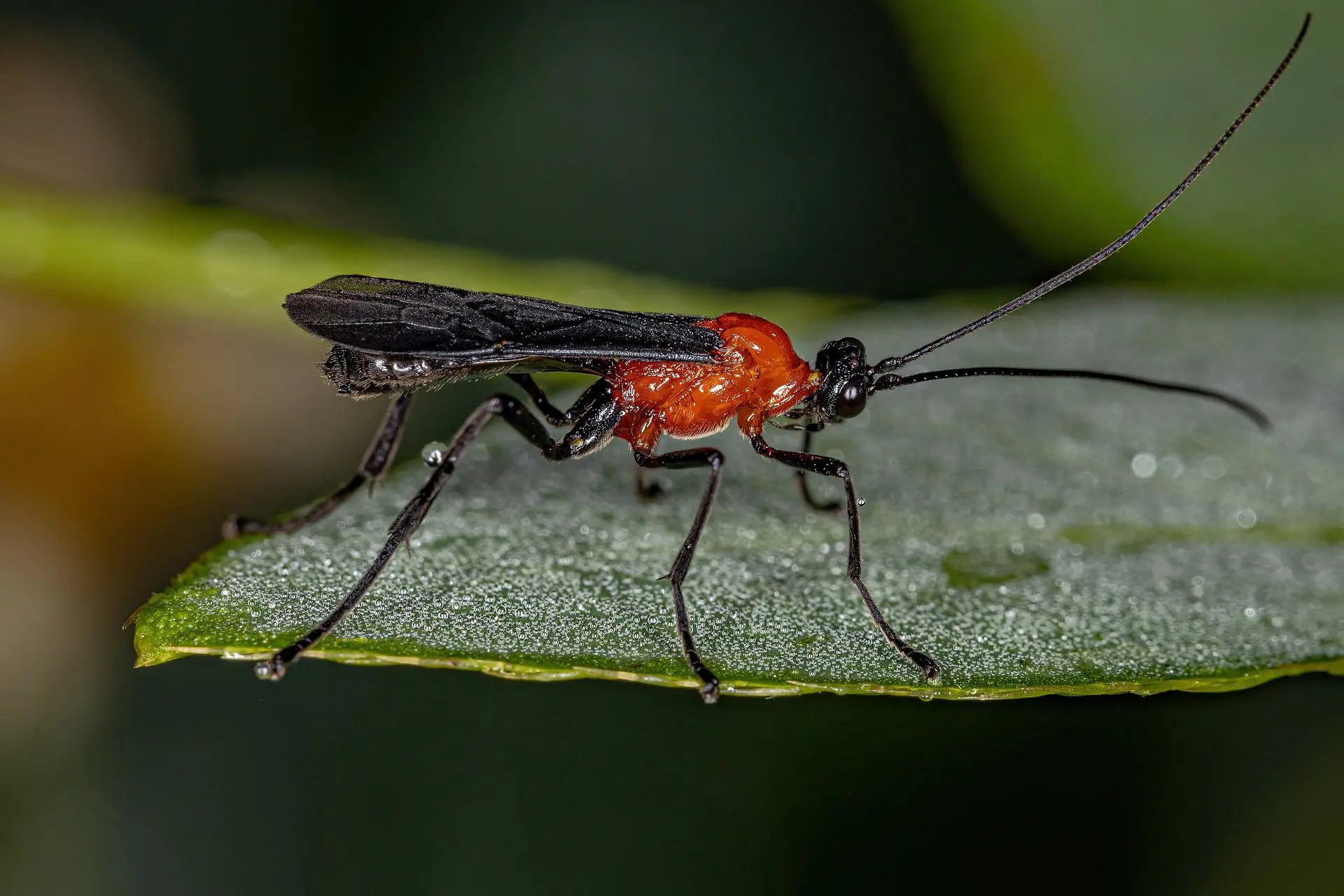
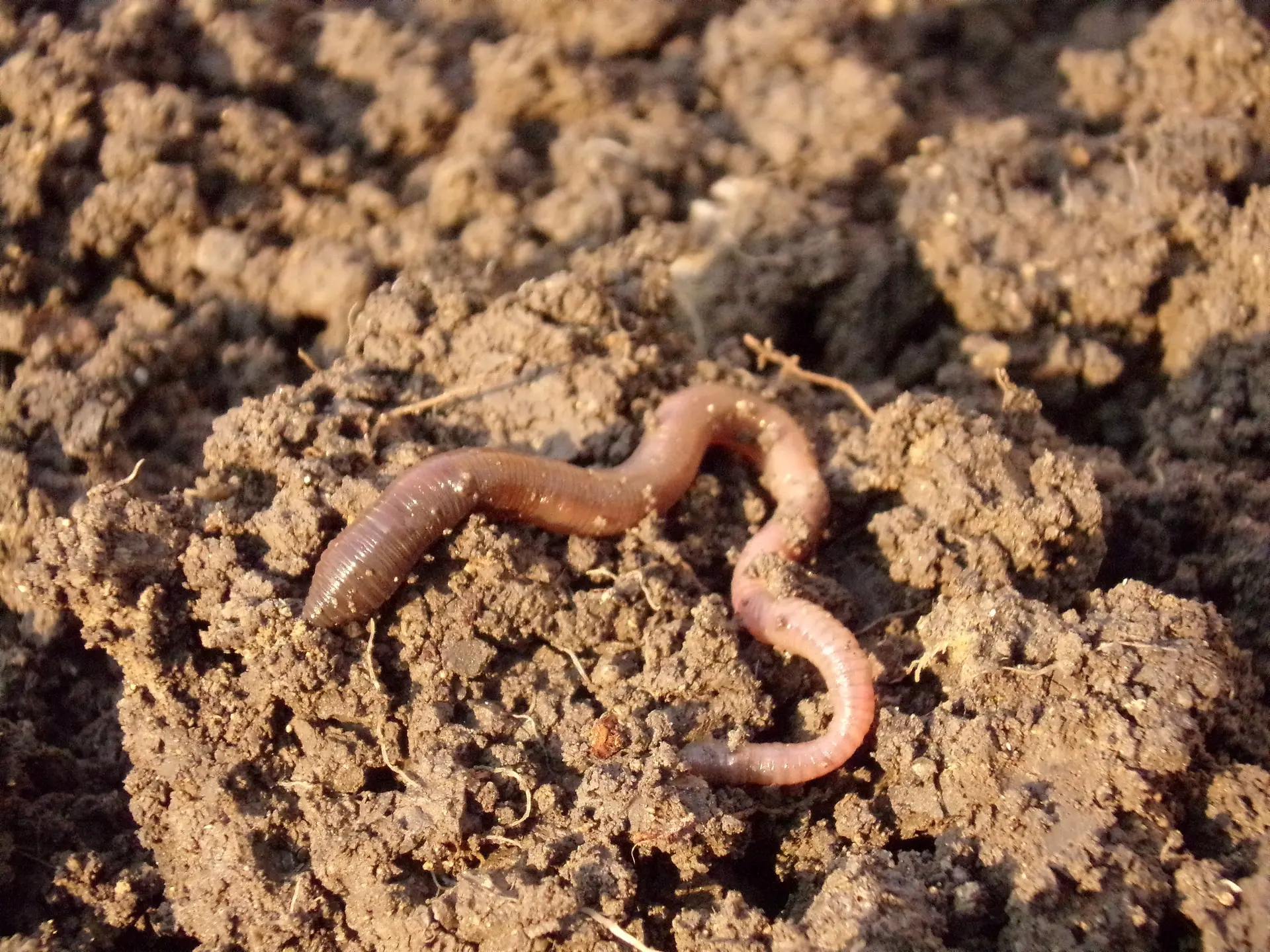
Pests
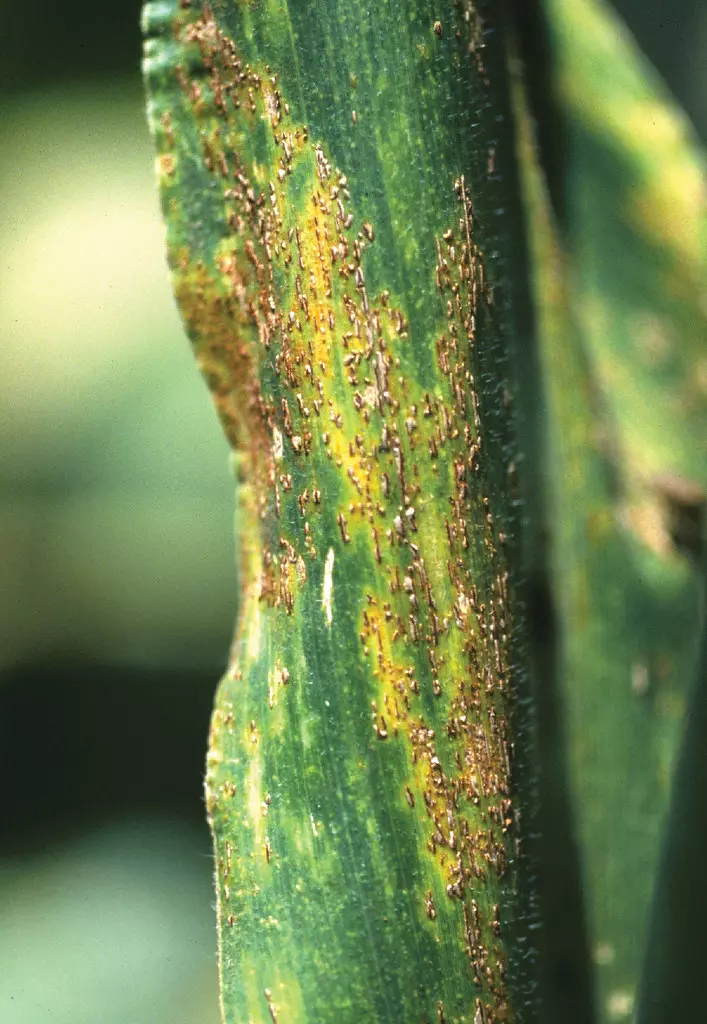
Diseases
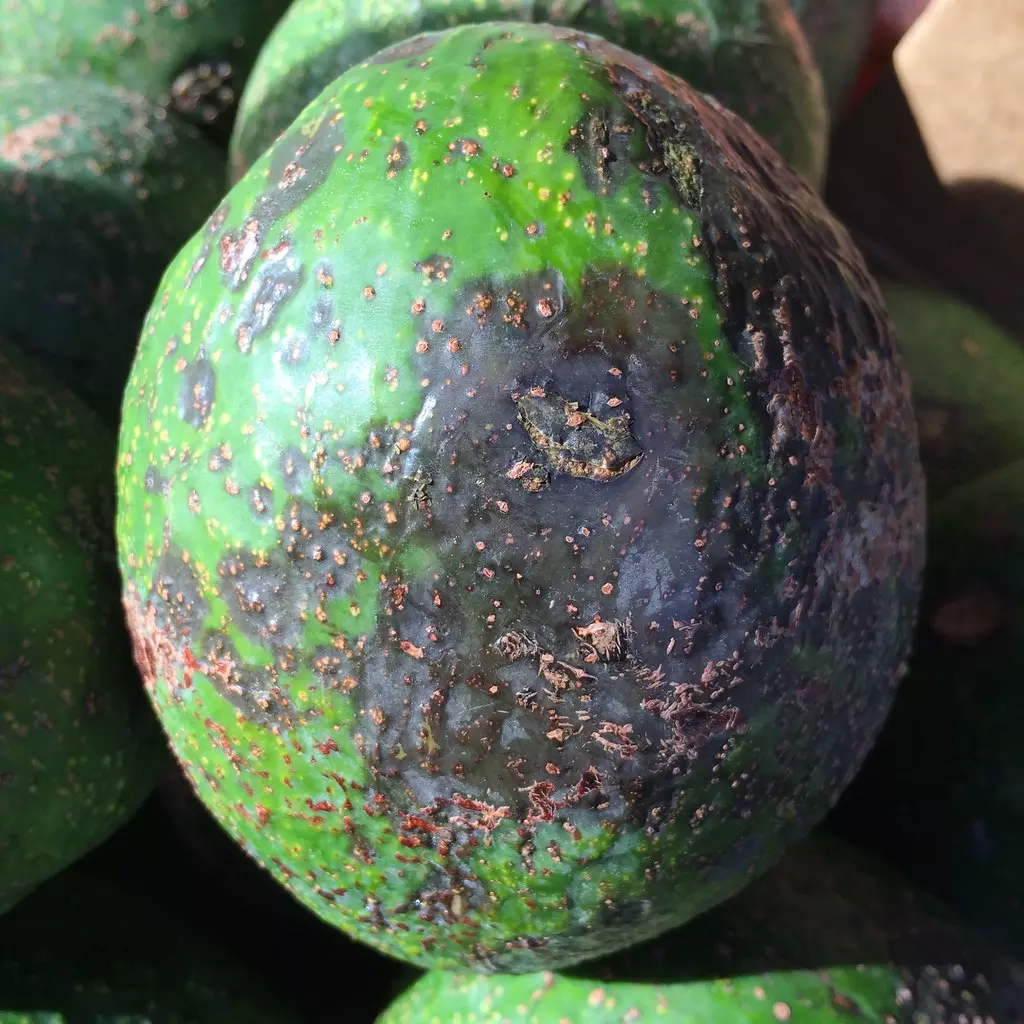
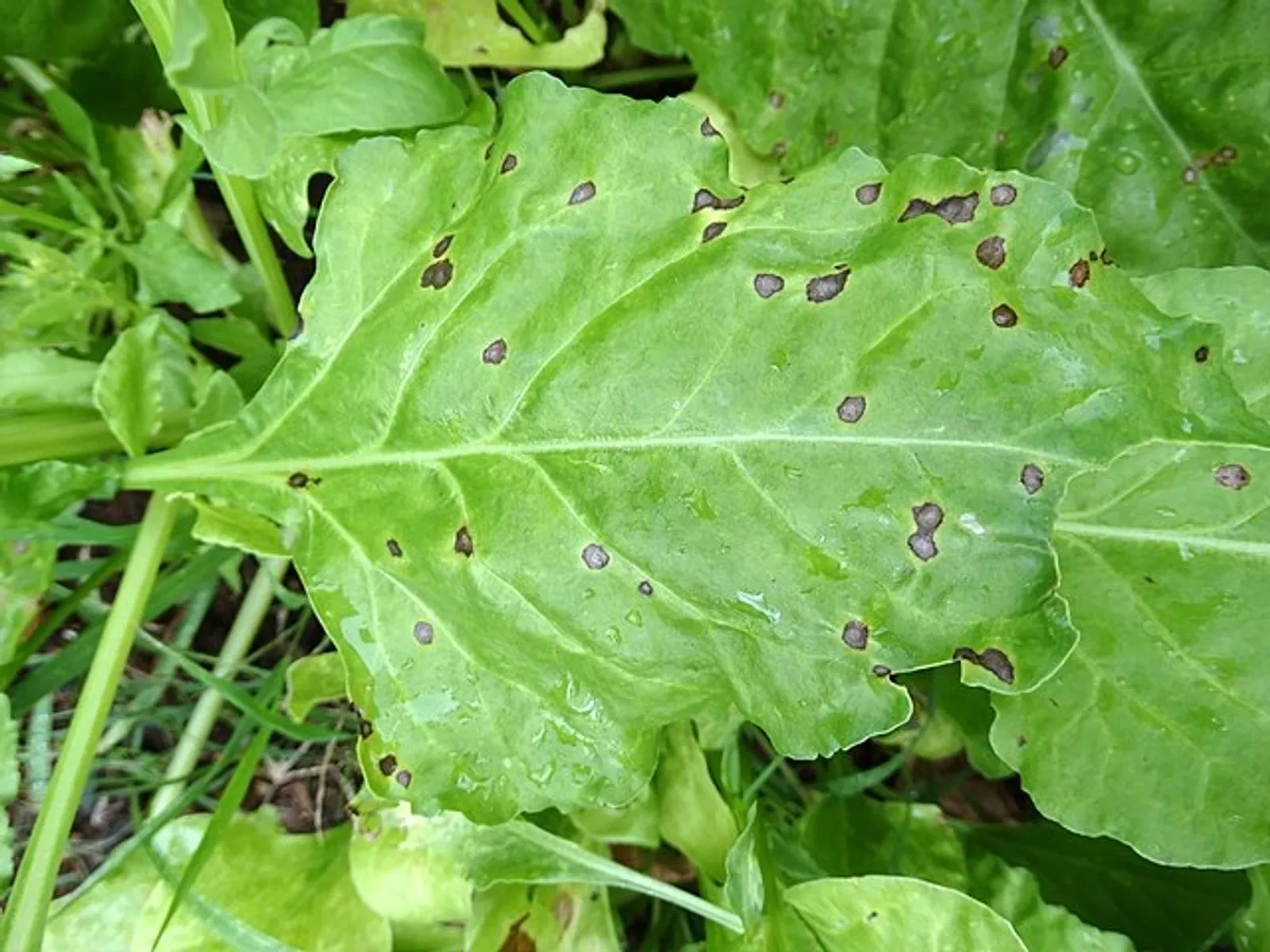
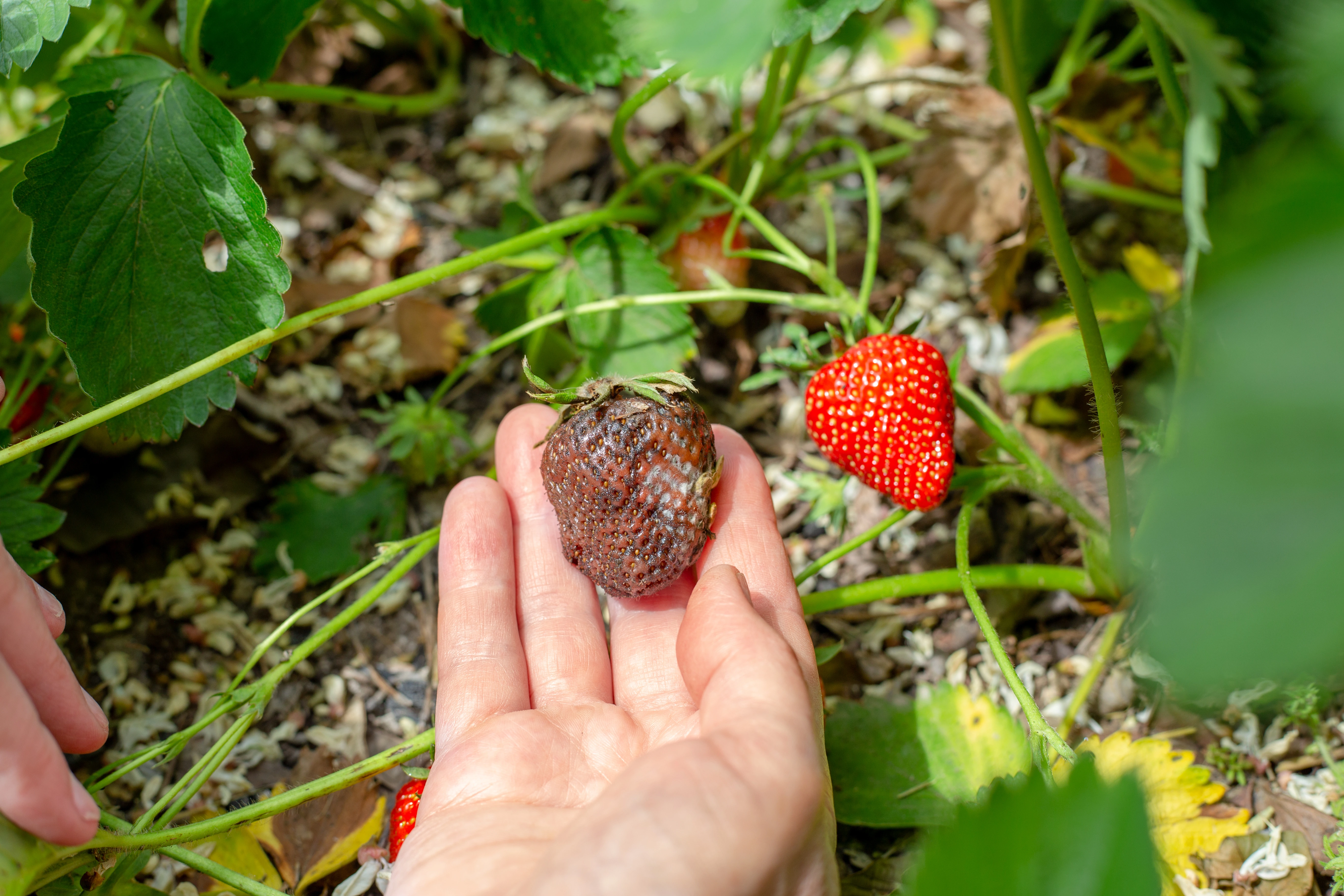
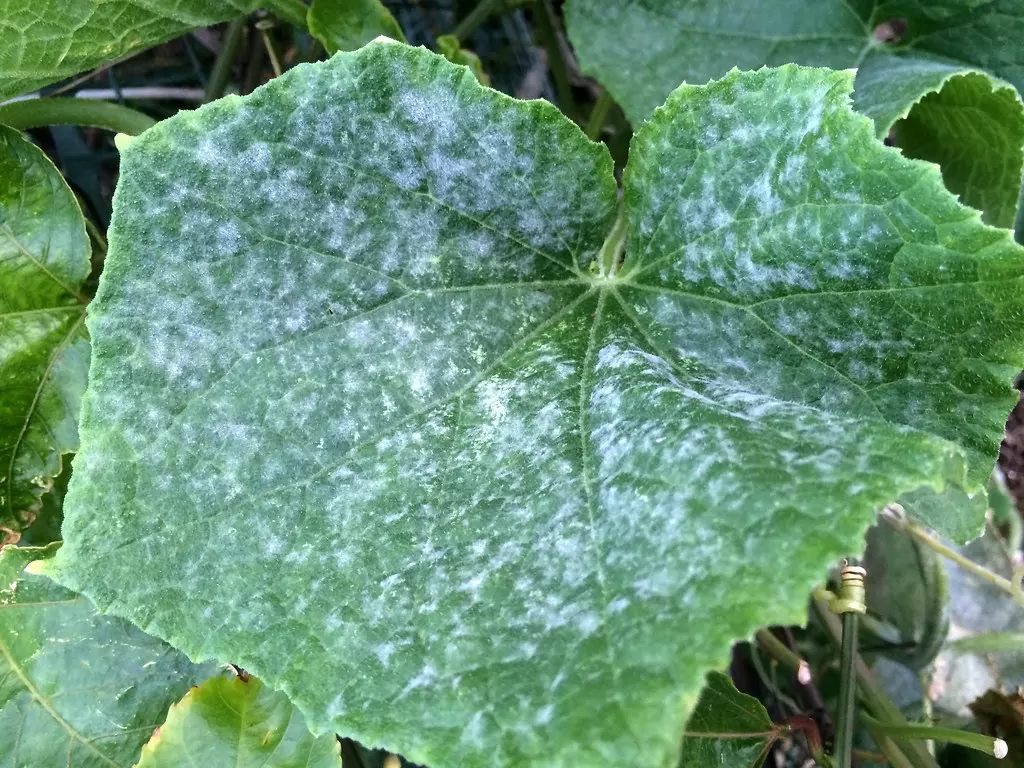
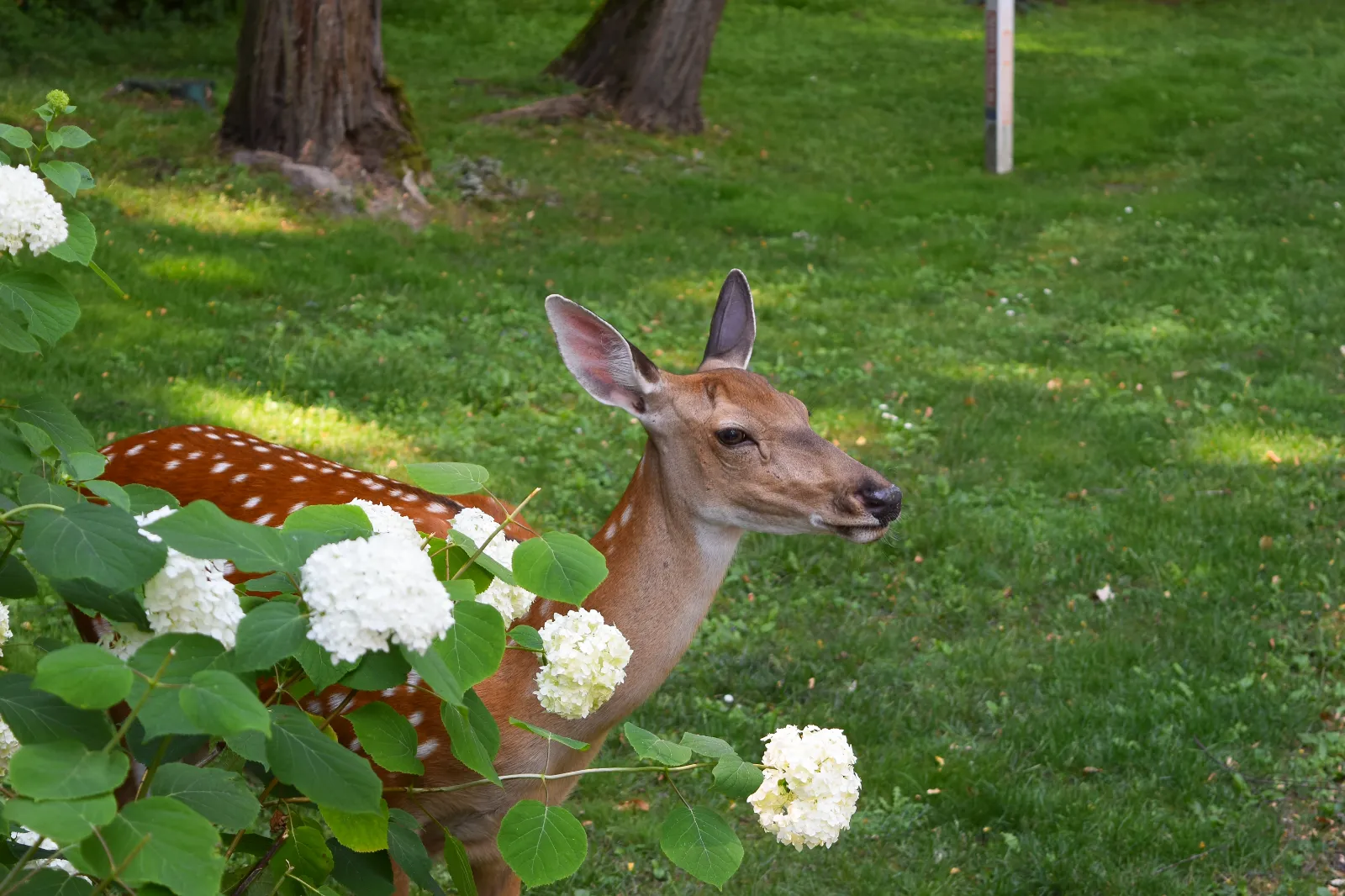
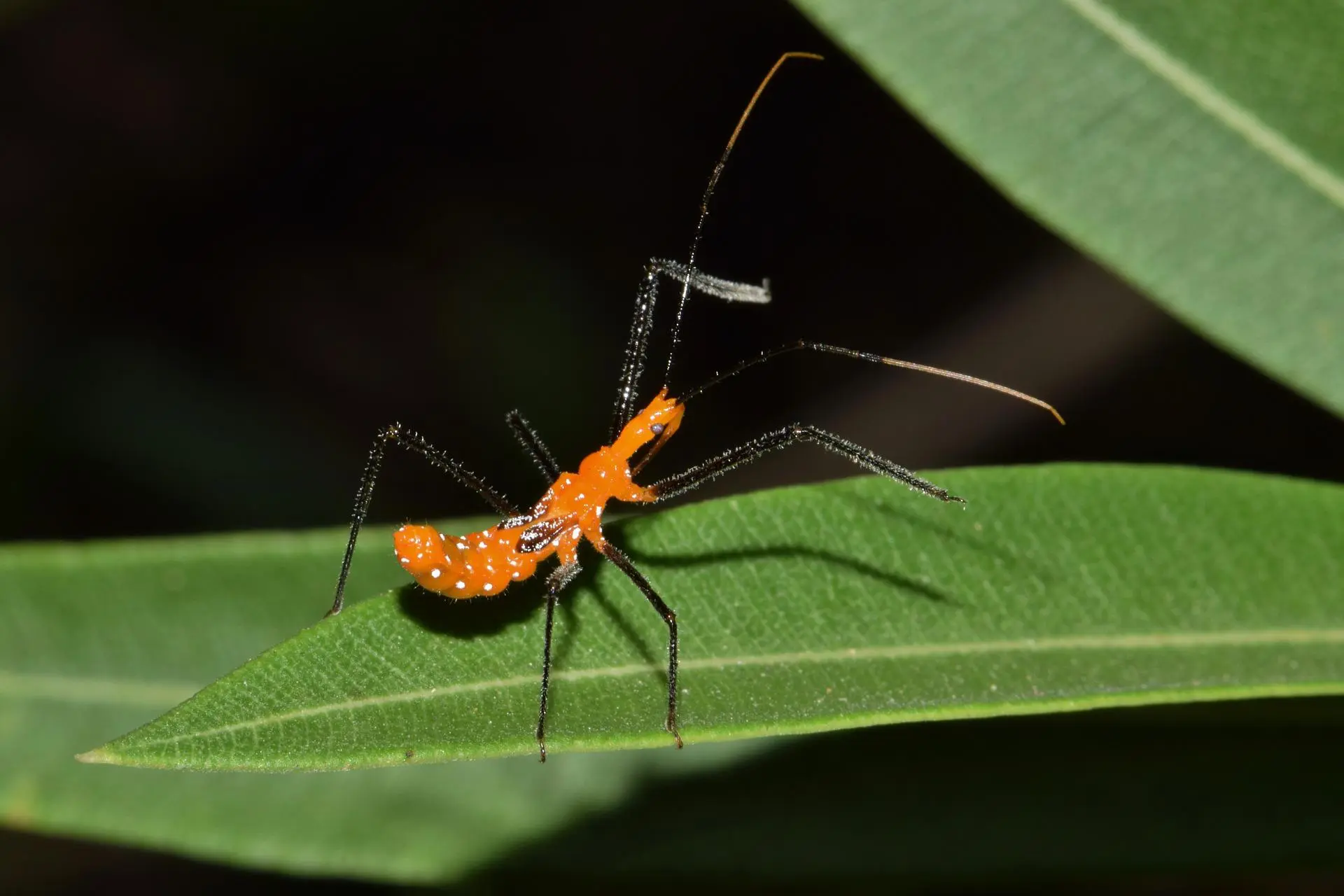
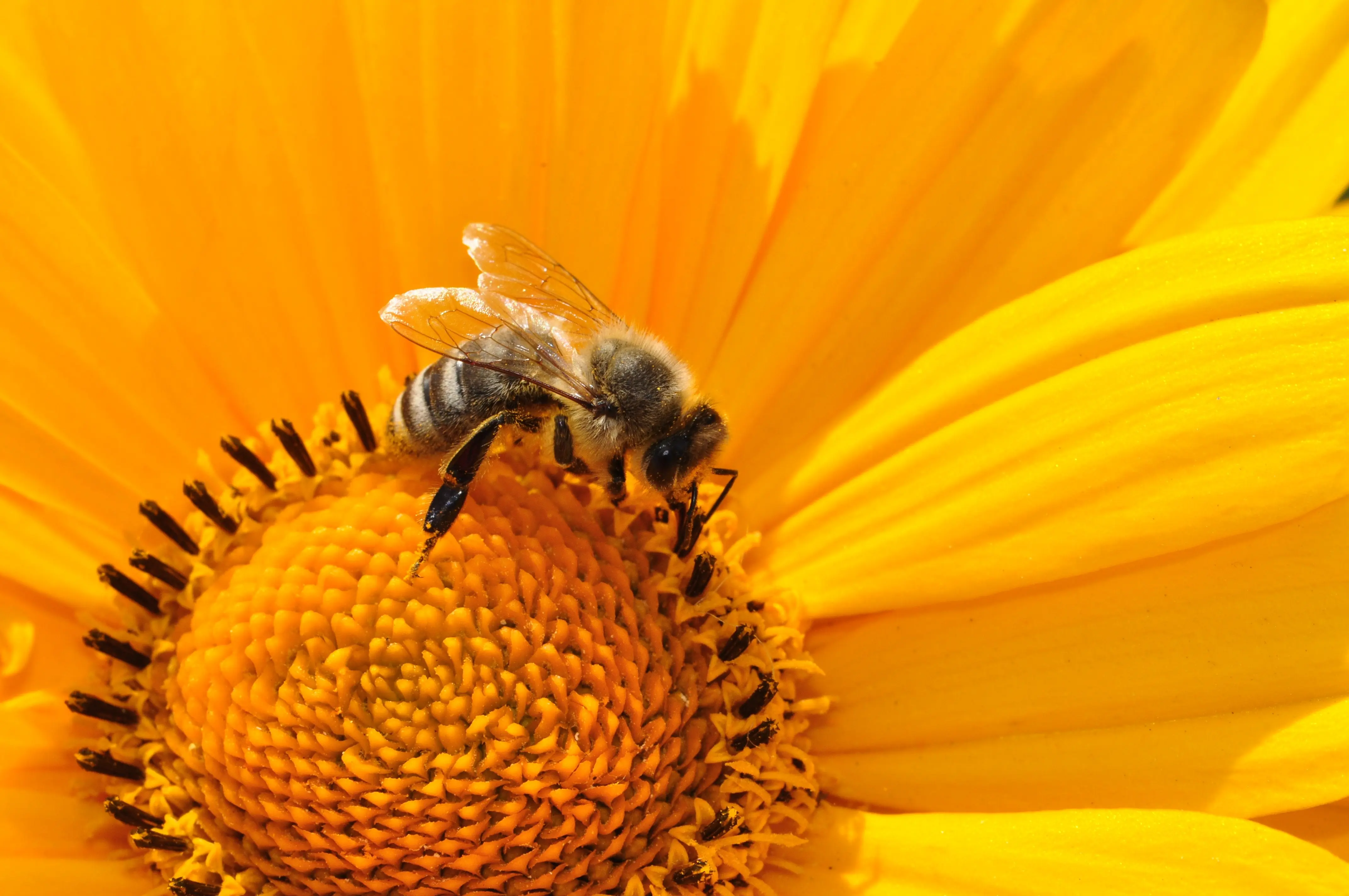
Beneficial Critters
Growing from Seed
Purchasing bare root plants is recommended, or fresh arrival container plants at local stores. Plants can be planted in spring or fall, although if your location has cold winters spring is best.
To start roses from seed, cold stratify the seeds in the fridge for 6-10 weeks before sowing.
Planting Considerations
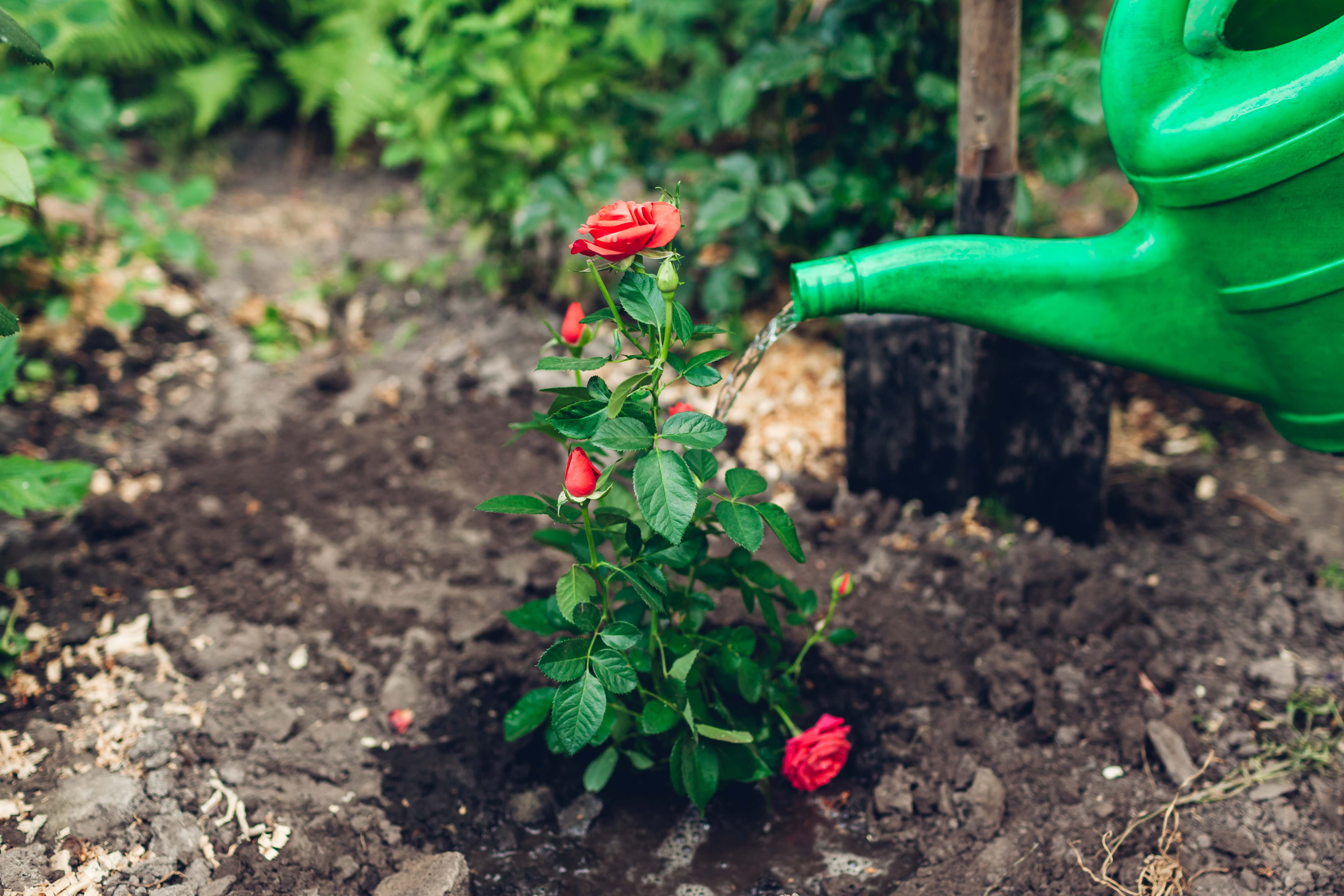
Roses like rich, organic soil and do not like to be crowded. Avoid high wind areas when possible. Avoid wet spots and over-watering. Rose widths can range from 2-6' (0.6-1.8 m)
Feeding
Fertilize at the beginning of growing season and again after first bloom cycle is done. Do not fertilize newly planted plants.
Harvesting
Cut early morning when plant is fully hydrated. Outer petals on bud should just be curling. Strip leaves and prickles and place directly into cool water.
Pruning
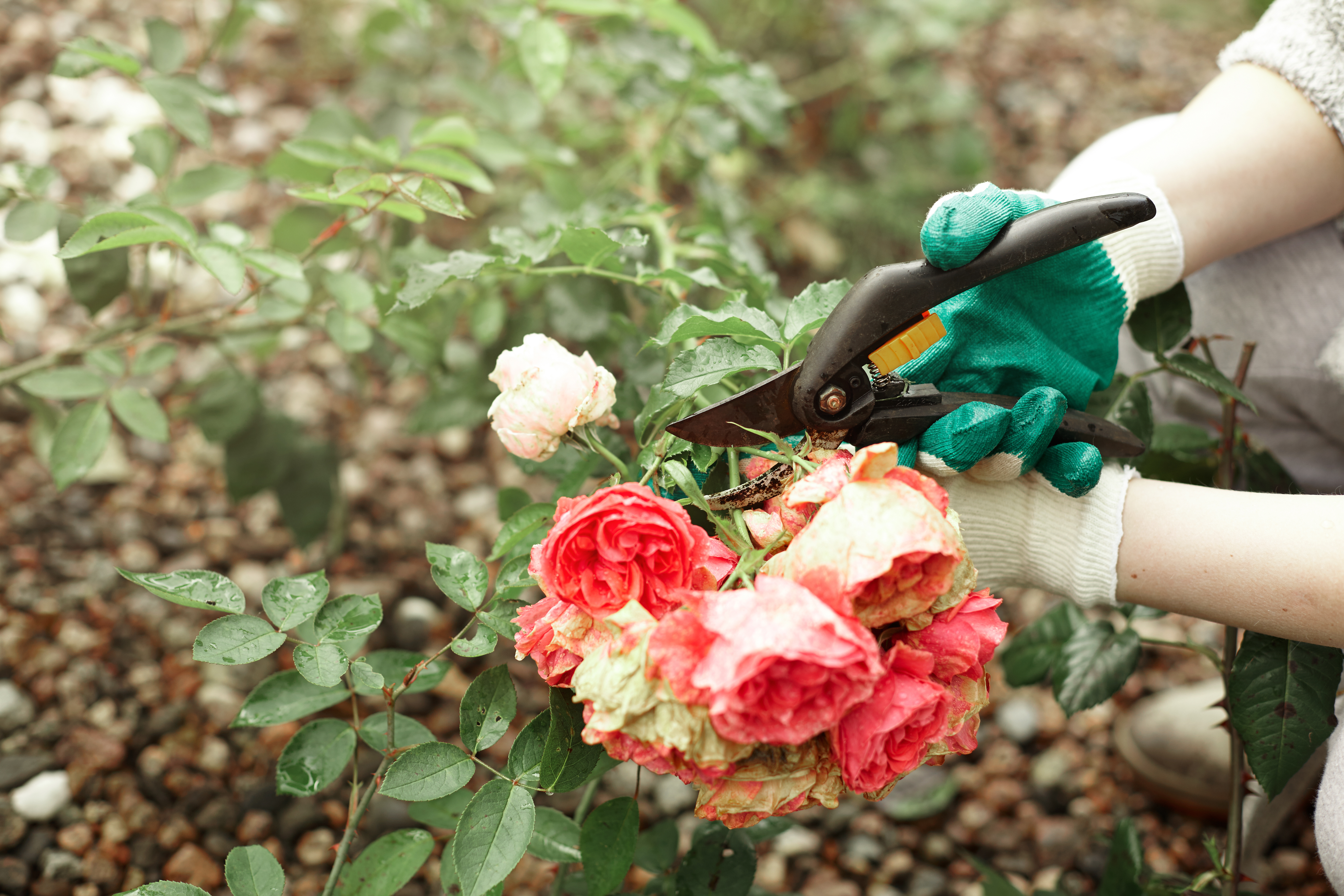
Prune annually in spring (after danger of hard frost), cutting away dead and/or diseased canes and spent blooms. Cut back Grandiflora, Hybrid Tea, and Floribunda roses by 3-5" (7.5-13 cm) in fall. Deadheading repeat bloomers will encourage second flush.
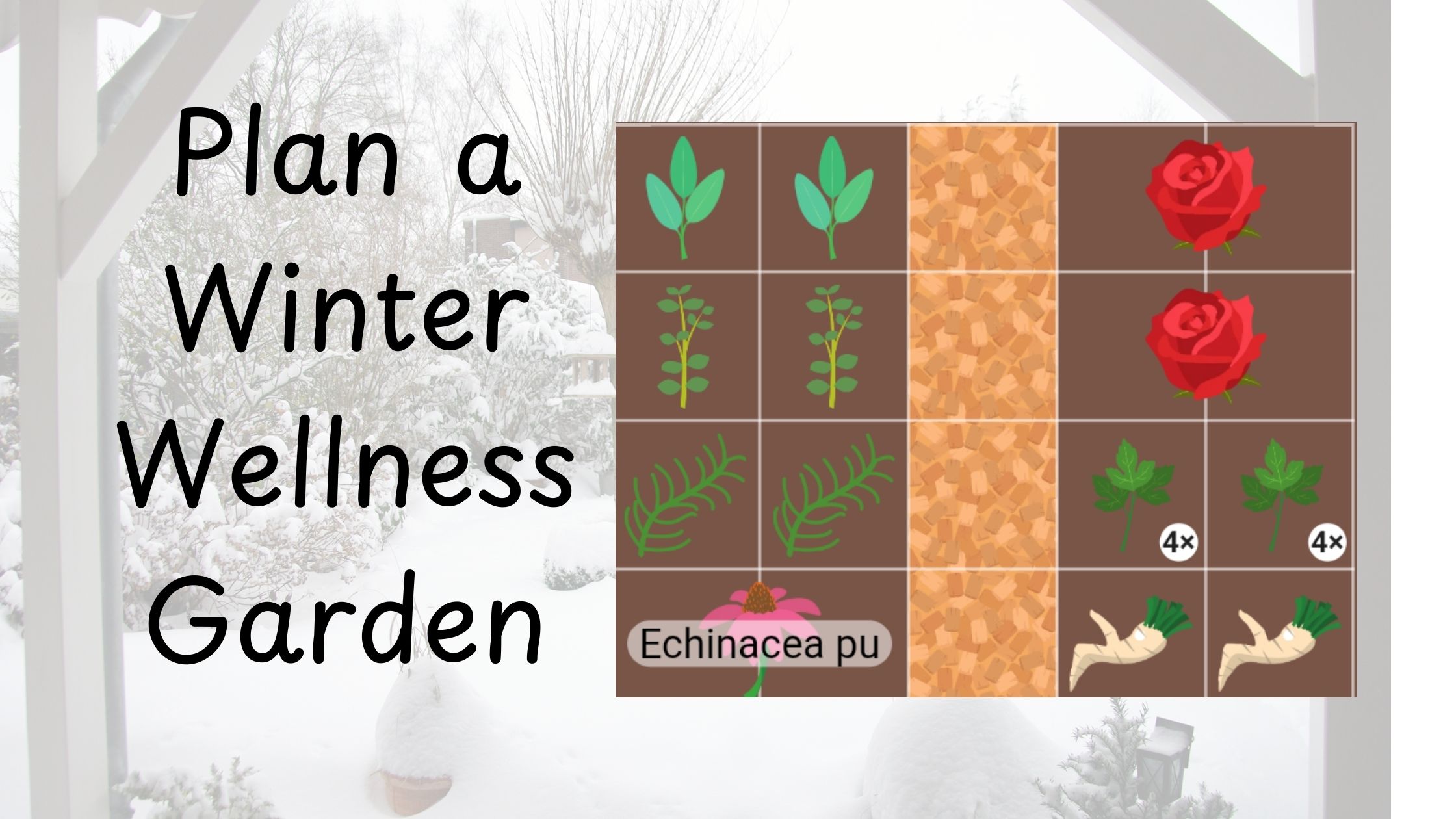
Herbal Use
The potential health benefits of roses include the treatment of: inflammation, diabetes, dysmenorrhea (menstrual cramps), depression, stress, seizures, and aging. Consult with your healthcare practitioner before using plants herbally.