Broccoli Rabe
Brassica rapa var. Ruvo
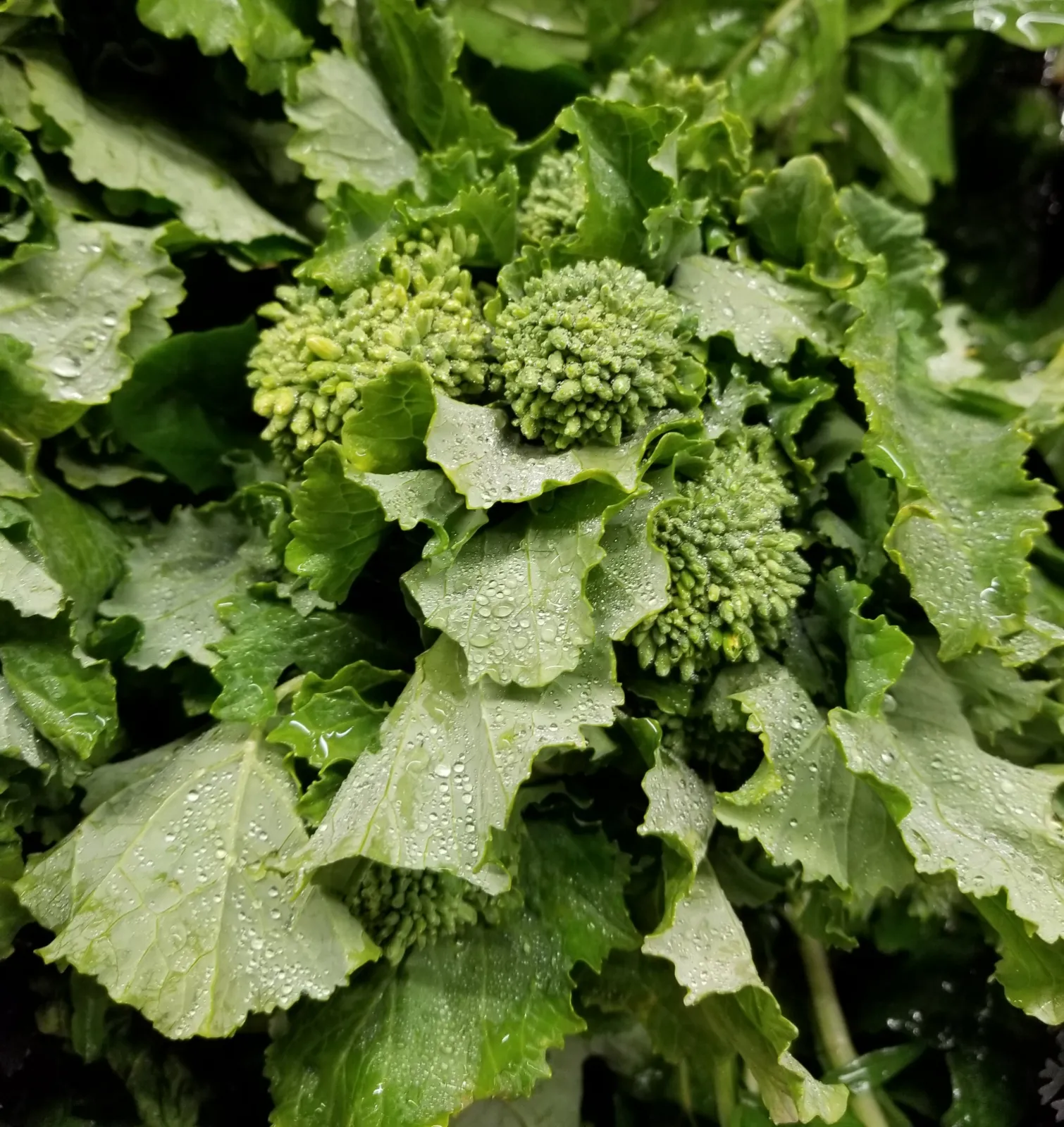
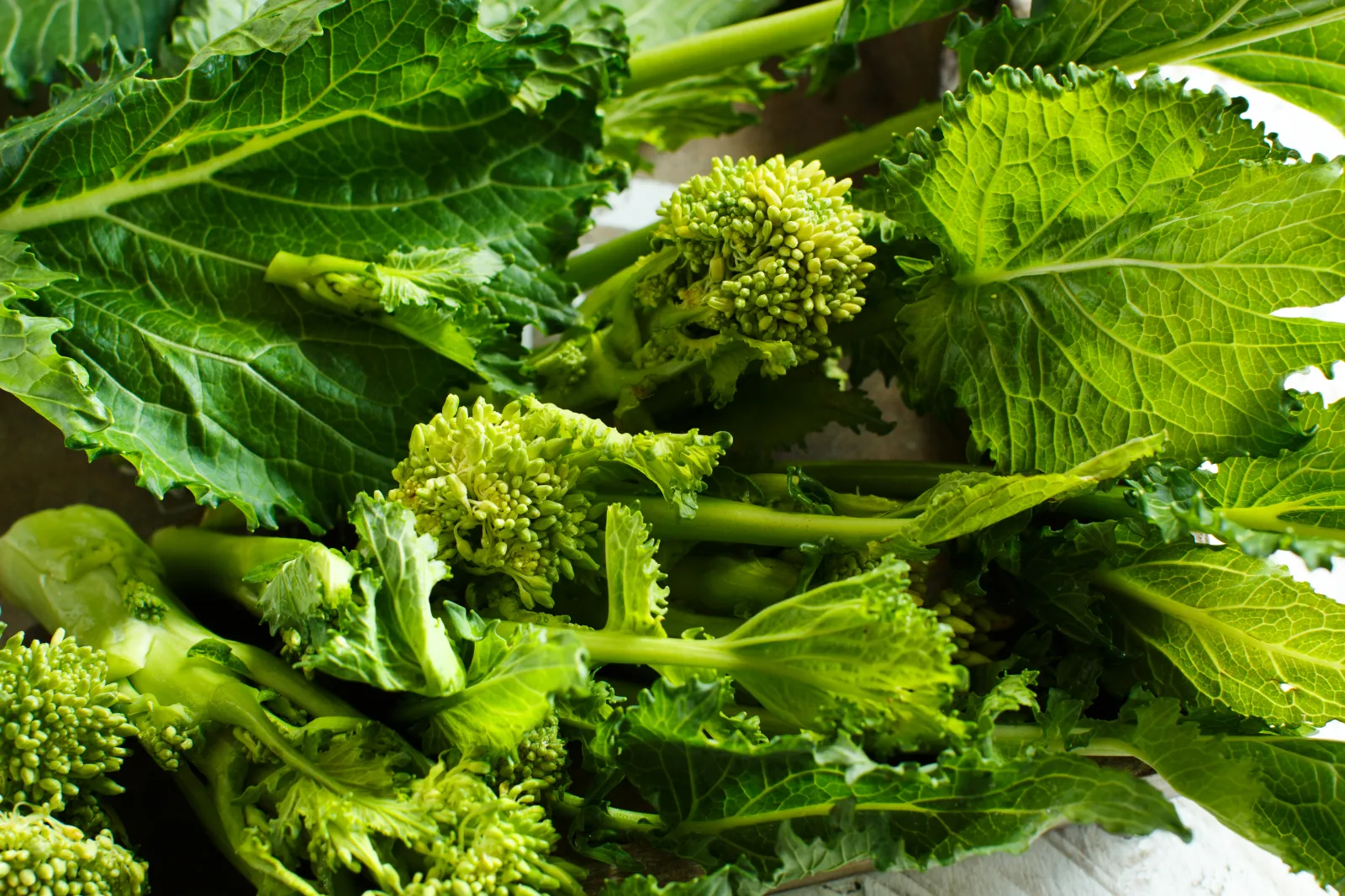
While broccoli rabe has 'broccoli' in its name it is actually more closely related to turnip than it is to broccoli. It has a pungent, bitter, and nutty flavor and is often used in Italian and Asian dishes. The young florets, stems and leaves are all edible. Broccoli rabe can be eaten raw, braised, steamed, or pan fried. Broccoli rabe grows more quickly than broccoli and it can be harvested as a cut-and-come-again crop. It is a unique, nutritious, and versatile addition to the garden!
How to Grow Broccoli Rabe
Quick Info

Put away the pen and paper
Plan your veggie garden in minutes with Planter's easy drag and drop planner.
Try Planter for Free
Varieties
Nutrition
Vitamins




Nutrients



Pests
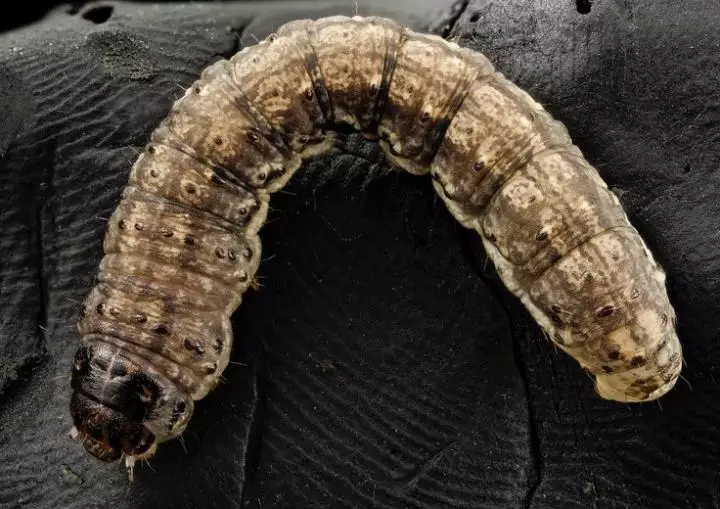
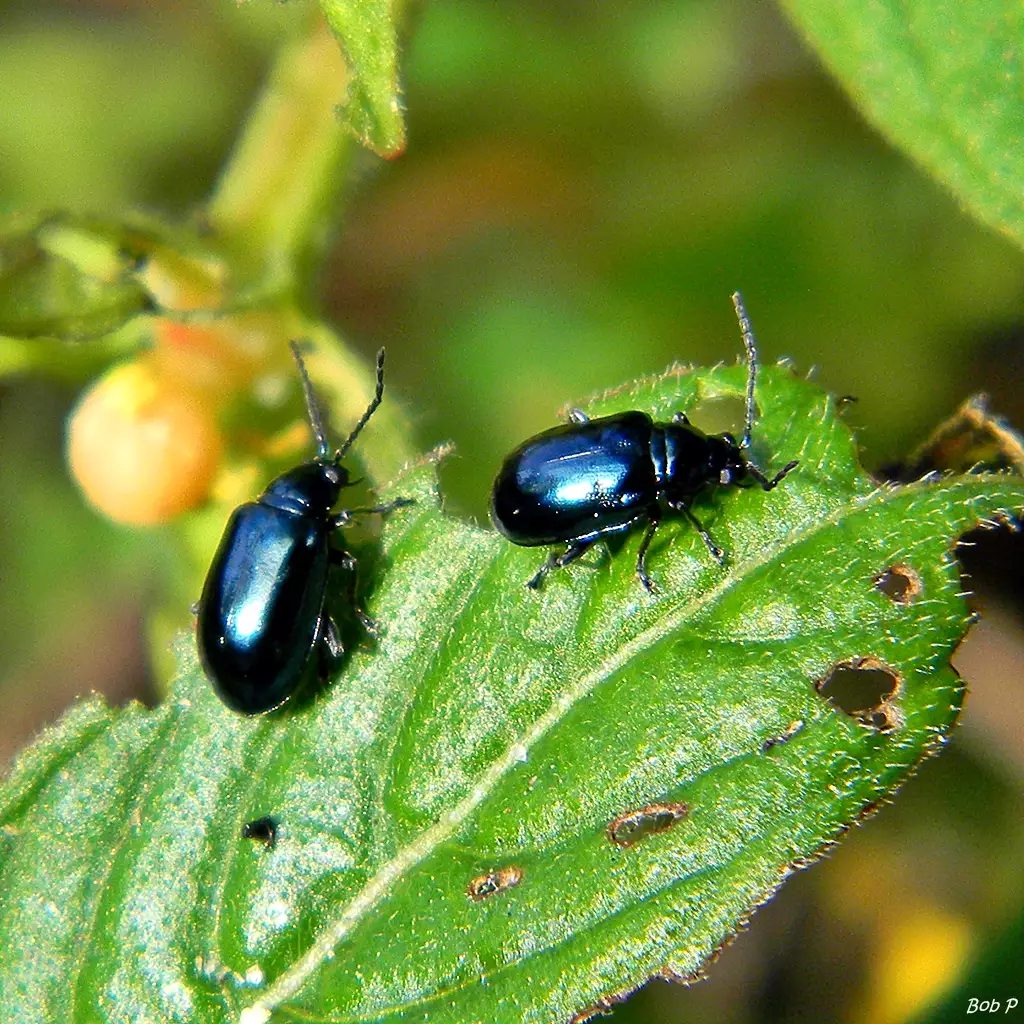
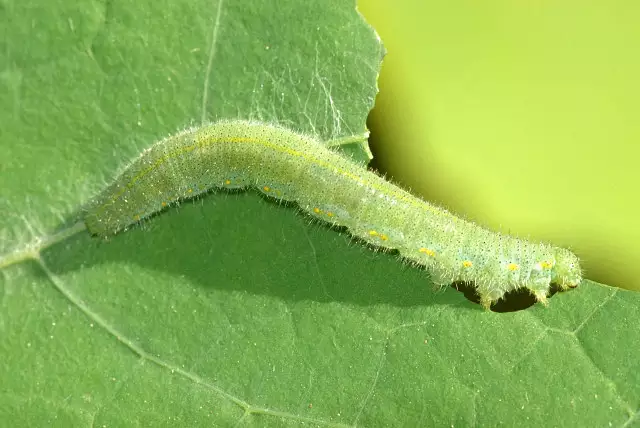
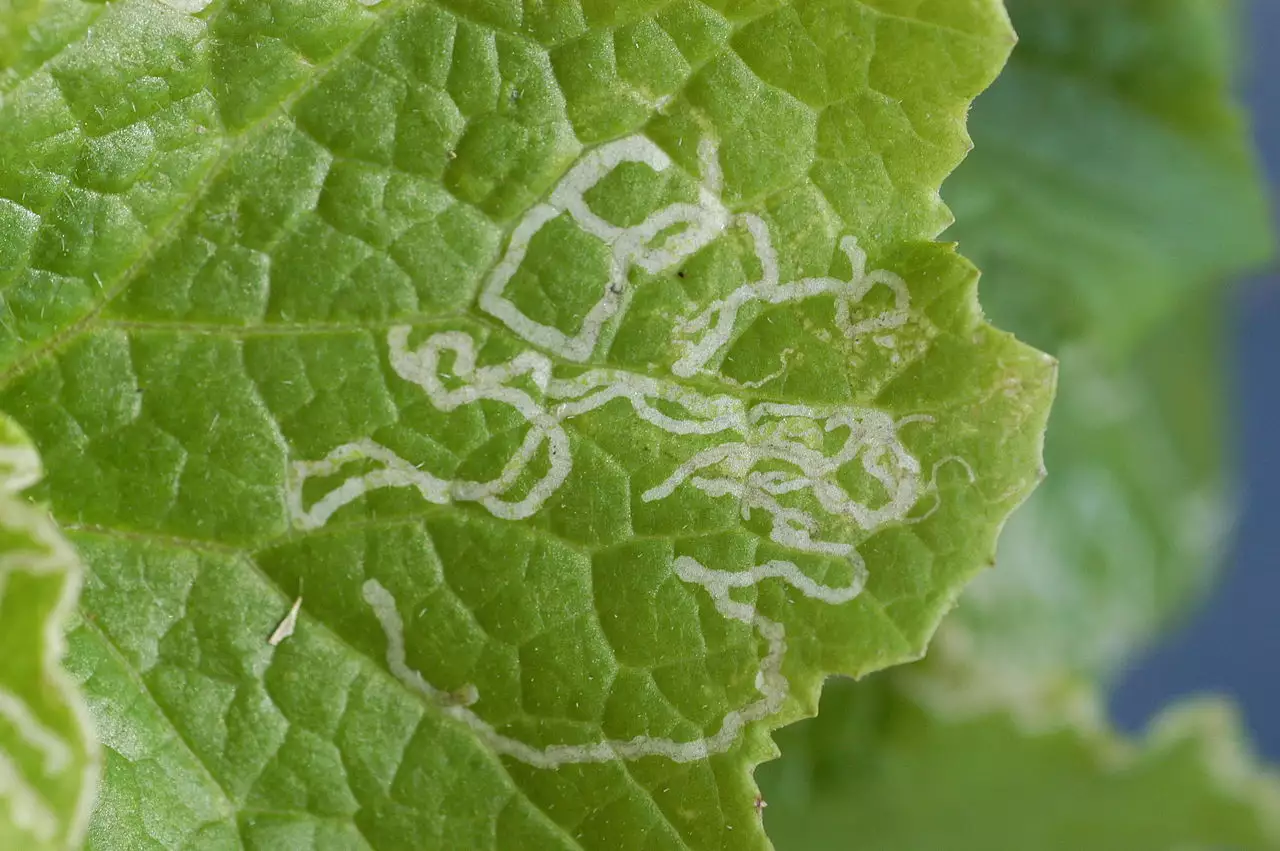
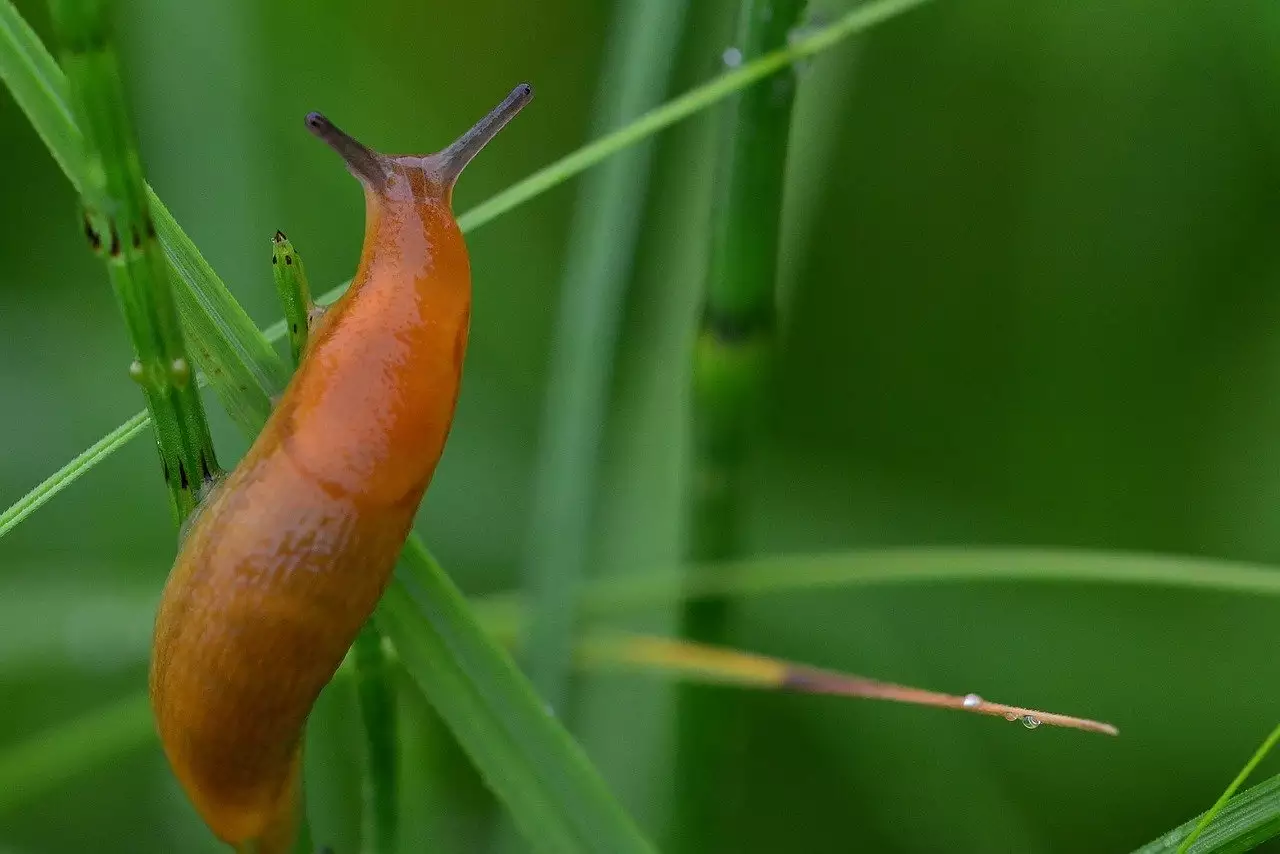
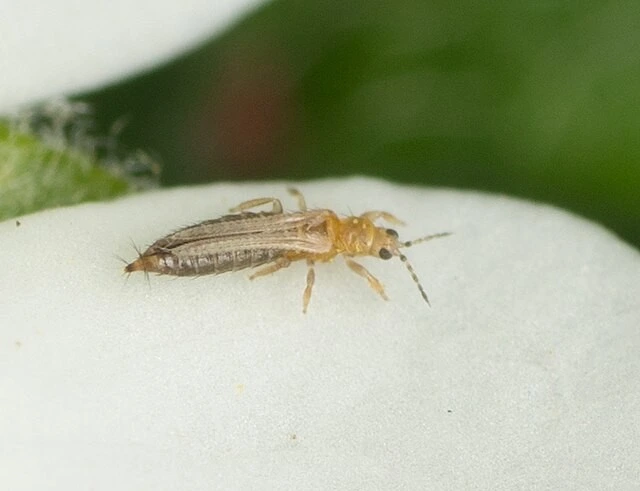
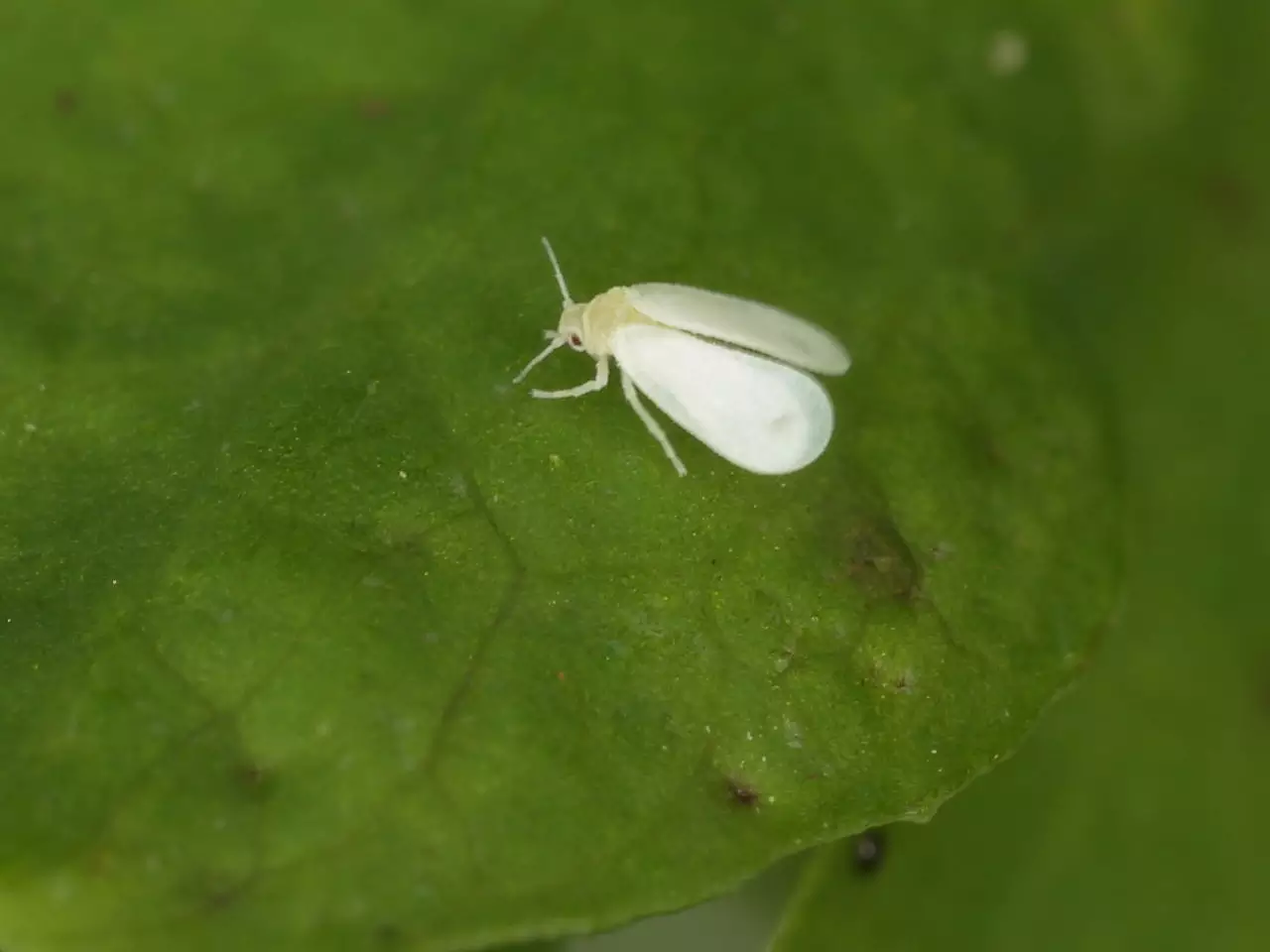
Diseases
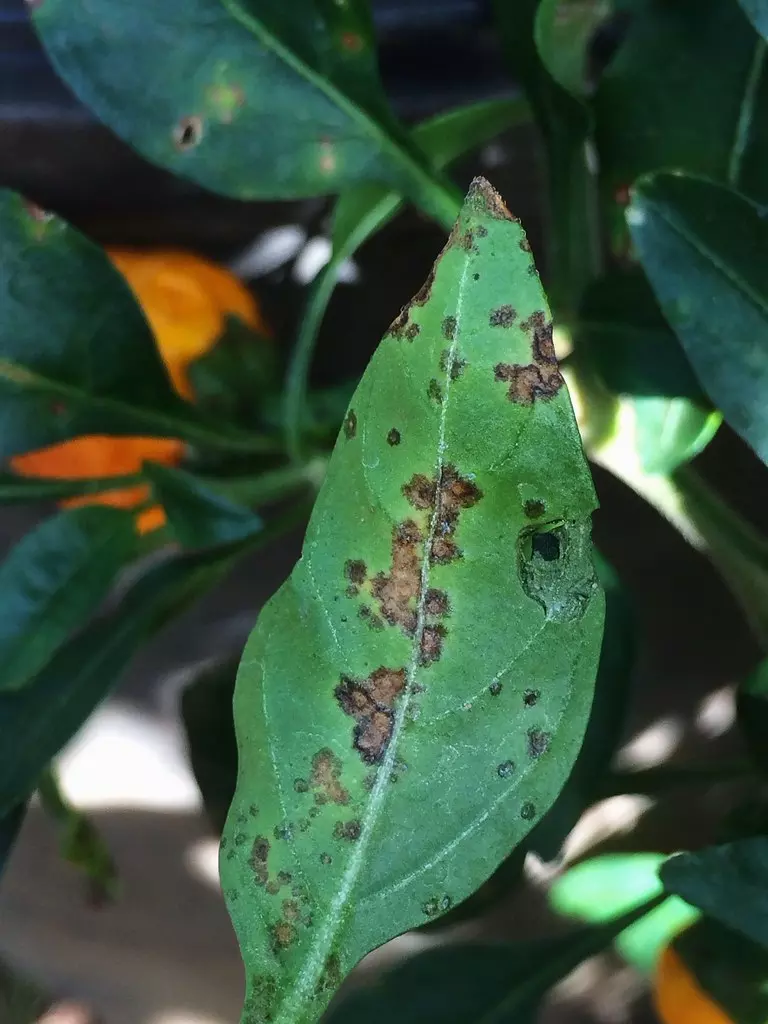
Beneficial Critters
Growing from Seed
Broccoli rabe is a cool weather crop that typically grows best in spring or fall, although some gardeners will succession sow broccoli rabe throughout the season. Broccoli rabe can be started indoors 3-4 weeks before the last frost date, then hardened off and transplanted outside. A heat mat can be used to aid germination but excessive heat after germination can cause the seedlings to become leggy and weak. Turn off heat mats as soon as seedlings emerge and be sure your grow room is cool. Use grow lights to provide supplemental light as soon as the seeds germinate.
Broccoli rabe can also be started directly outdoors in spring as soon as the soil is workable. For a fall crop of broccoli rabe it can be helpful to start seeds indoors to avoid the intense summer heat.
Planting Considerations
Broccoli rabe prefers fertile, loamy soil that retains moisture but does not become waterlogged. Broccoli rabe can be susceptible to weed pressure. Apply mulch around the plants to manage weeds and to help retain moisture. Broccoli rabe is also susceptible to many pests. Proper plant spacing, good weed control, and using insect netting can help to minimize pest damage. Broccoli rabe can be grown in containers but be sure to choose a large container at least 24 inches (60 cm) wide and deep and water regularly to keep the soil in the container moist.
Feeding
Add compost to the soil at the time of planting. Side dress with a slow-release fertilizer or fertilize regularly with a dilute fertilizer. Like other brassicas, broccoli rabe requires ample boron. If your soil test indicates a boron deficiency be sure to amend your soil prior to planting broccoli rabe.
Harvesting
Harvest or pick off the main stem as soon as the floret appears to encourage more side shoots. Harvest leaves and stems when they reach between 4"-10" (10-20 cm) by cutting close to the soil level or as far down as the stem remains tender. Be sure to harvest before the florets begin to open otherwise the flavor of the whole plant will become unpaletable. Regular harvesting can help to delay plant bolting.
Storage
Unwashed broccoli rabe stems can be stored in the fridge in a plastic bag with a damp paper towel for up to several days. Broccoli rabe can also be blanched, cooled and dried then arranged in a single layer on a baking tray to be frozen. Transfer the frozen broccoli rabe to a freezer safe bag and store it in the freezer for up to several months.
Pruning
Remove the main stem as soon as the floret appears to encourage more side shoots. Broccoli rabe flowers are attractive to pollinators, however in some areas it can become invasive if left to go to seed. Remove flower heads promptly when they die back to prevent self-seeding.