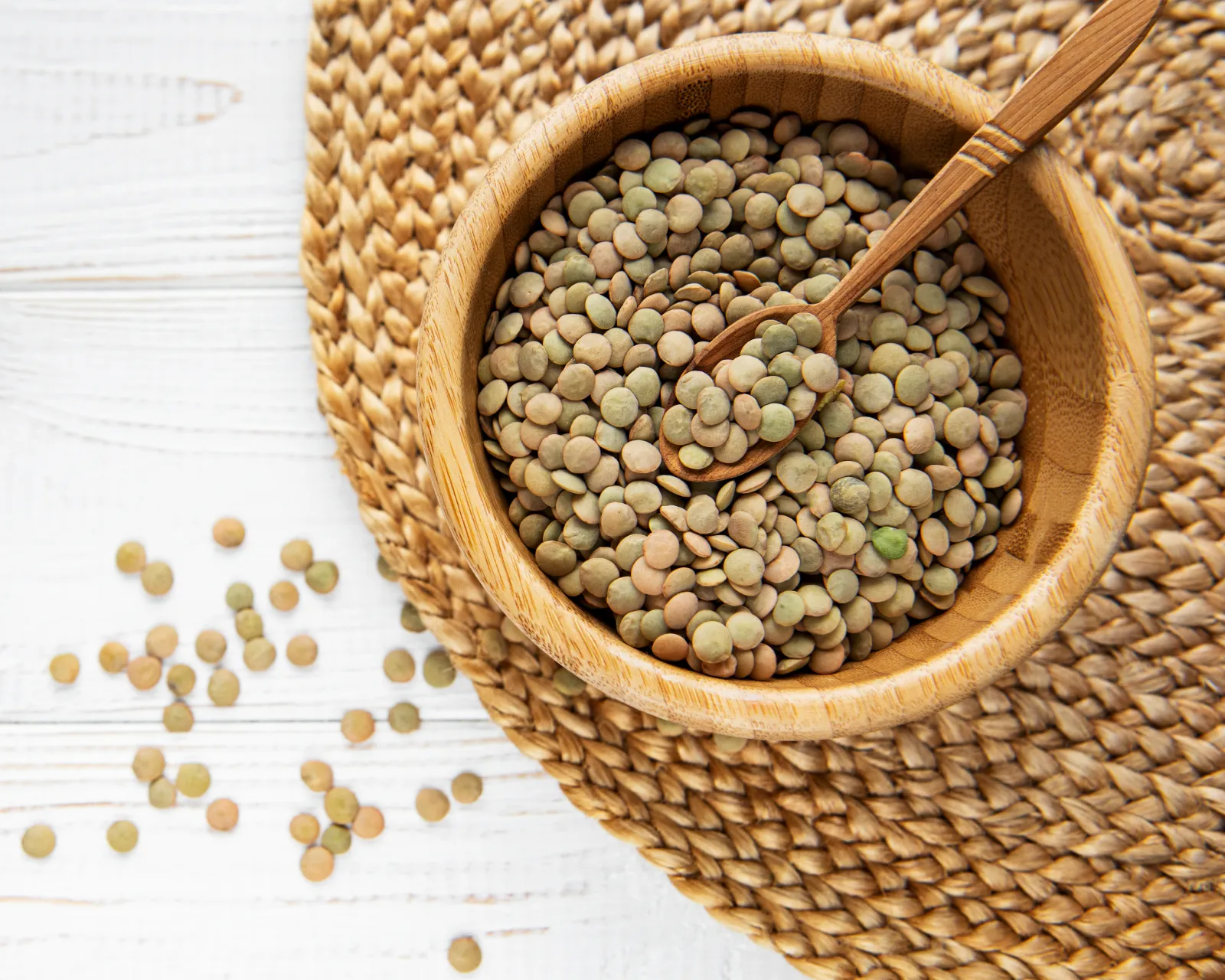
Lentil
Lens culinaris
Lentils are a nutritious, high-protein legume. Lentils have been cultivated for thousands of years and are staple in many cuisines including Indian, Middle Eastern, European, and African. There are several different types of lentils including green, brown, and red, as well as speciality varieties such as Puy lentils which are only grown in the Le Puy prefecture in France and black 'beluga' lentils which are small black lentils that are said to look like caviar. Lentils are not difficult to grow although it can take a good amount of space to get a reasonably-sized harvest, and there is some work involved in harvesting the seeds. Because of their nitrogen-fixing ability lentils make an excellent cover crop. By harvesting the seeds and leaving the roots in the ground they can provide nutritional benefits both to the soil and to us!
How to Grow Lentil
Quick Info

Put away the pen and paper
Plan your veggie garden in minutes with Planter's easy drag and drop planner.
Try Planter for Free
Nutrition
Vitamins





Nutrients










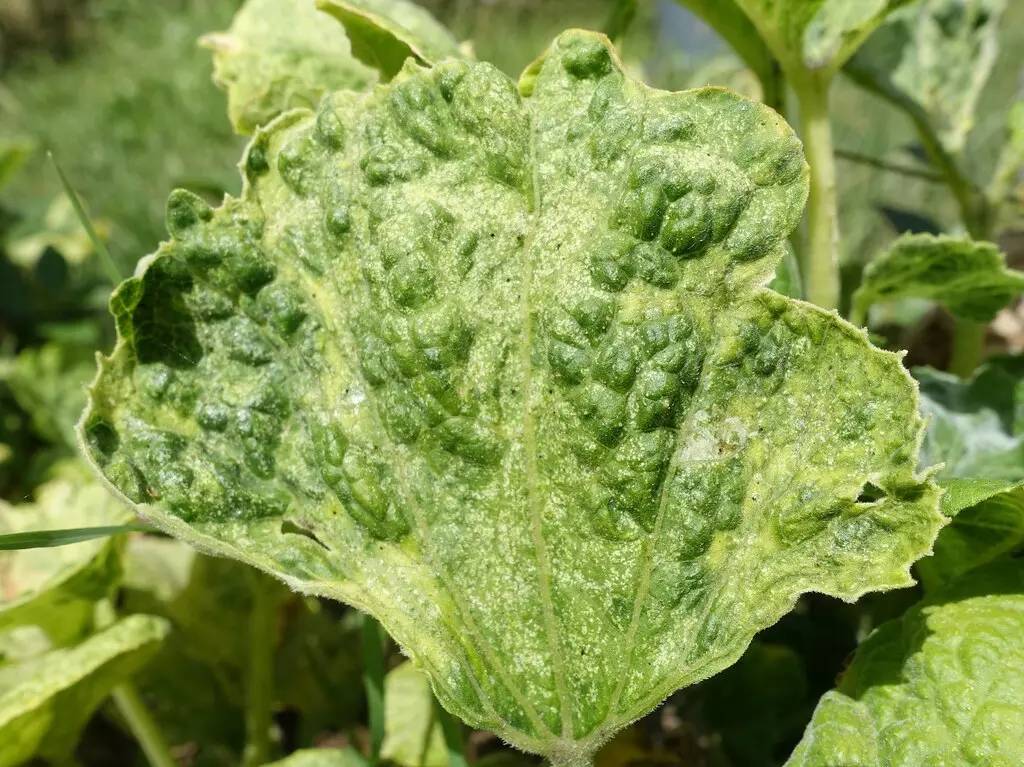
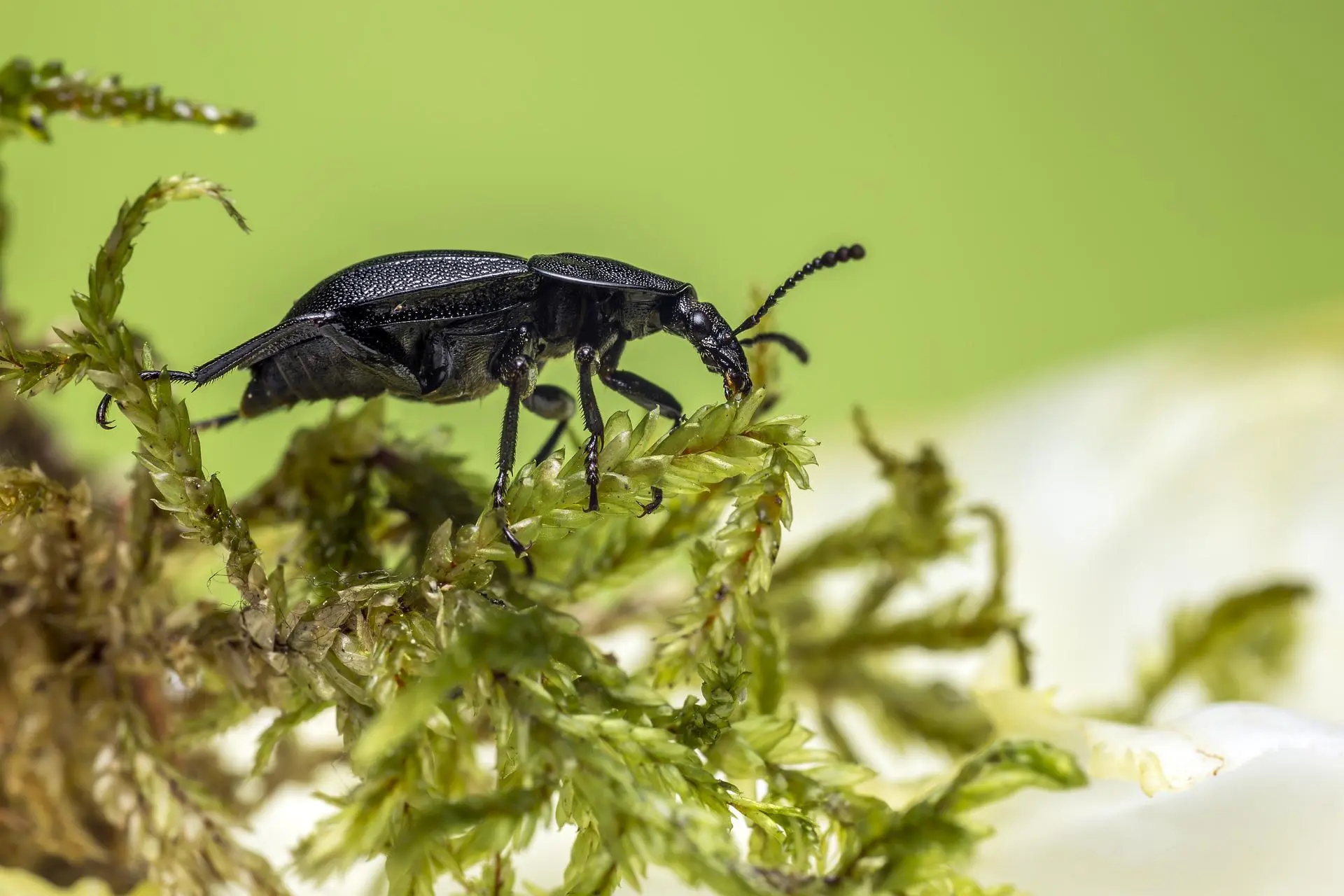
Pests
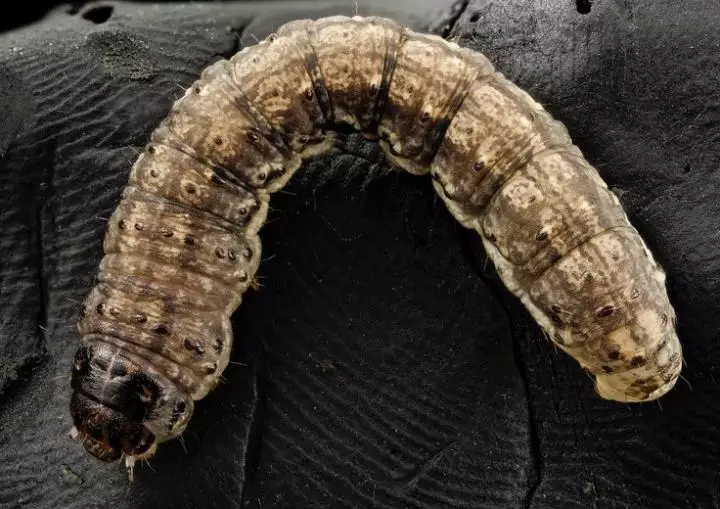
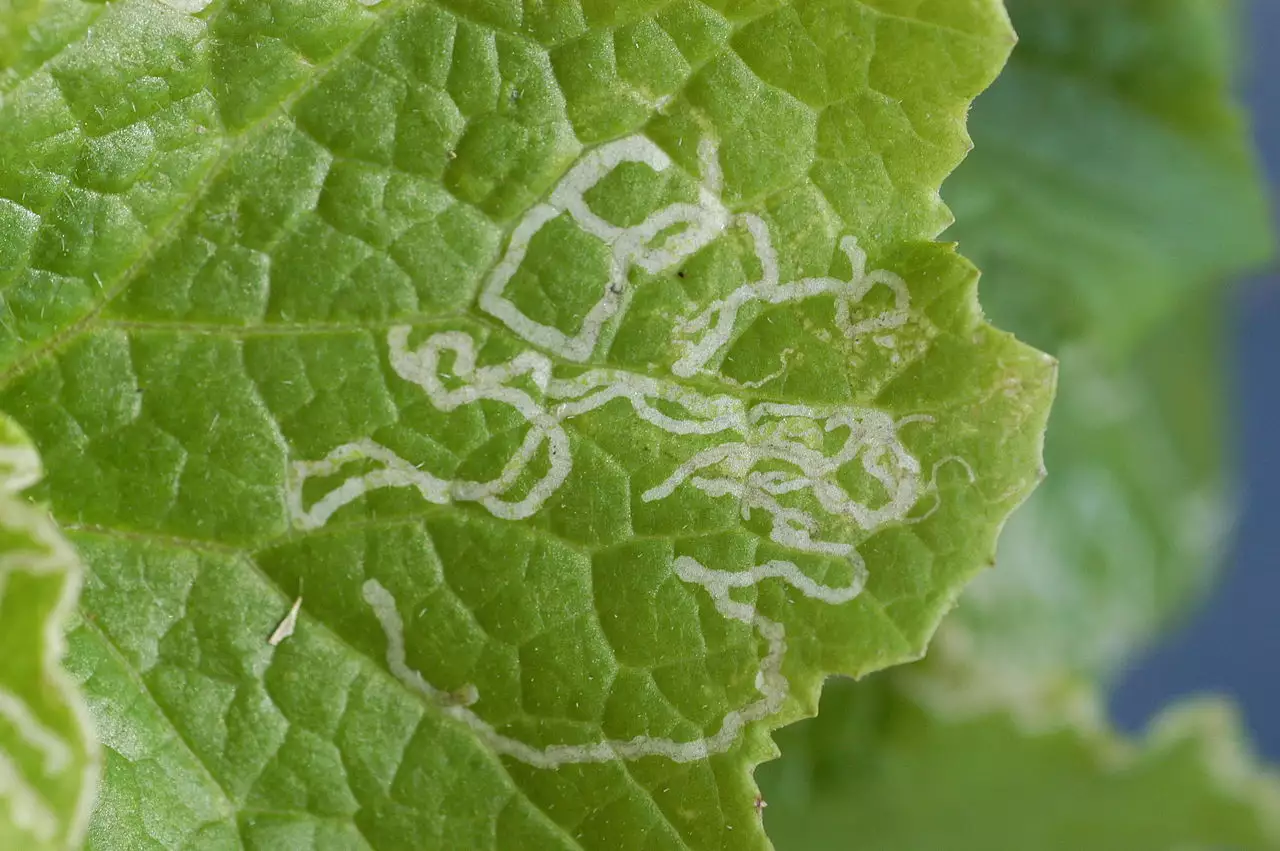
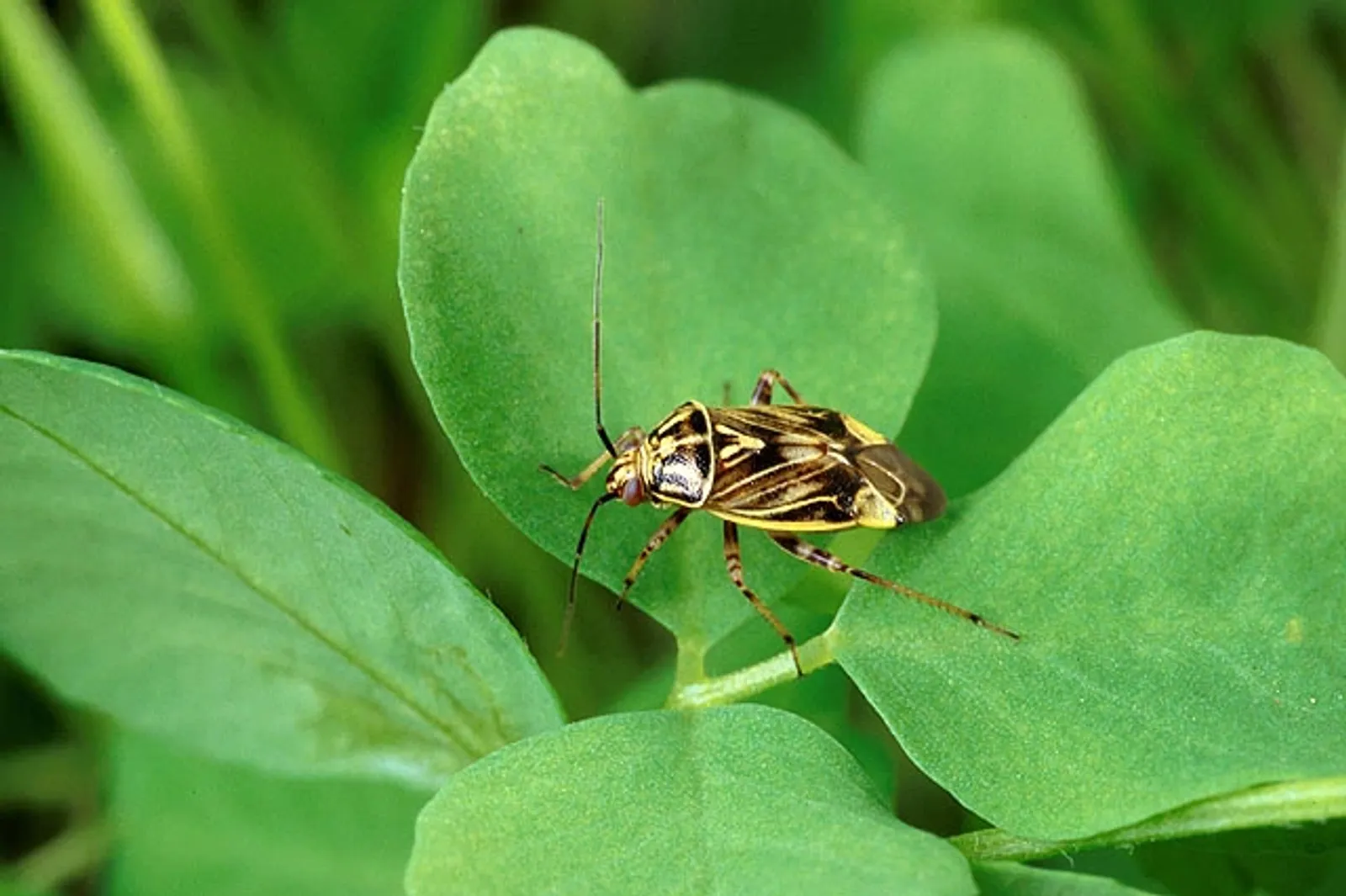
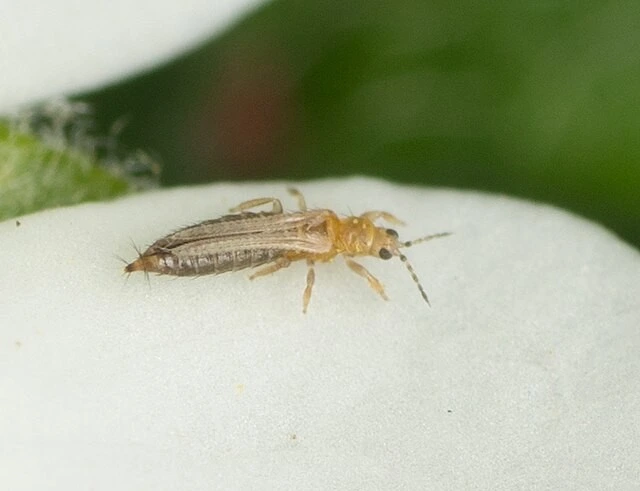
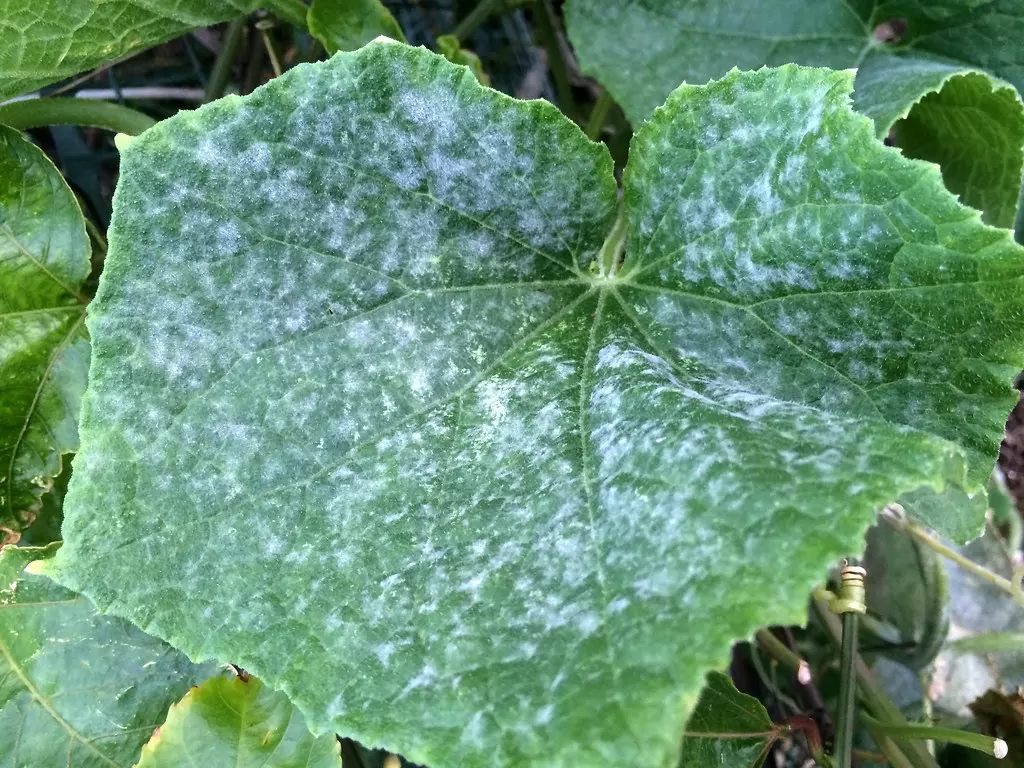
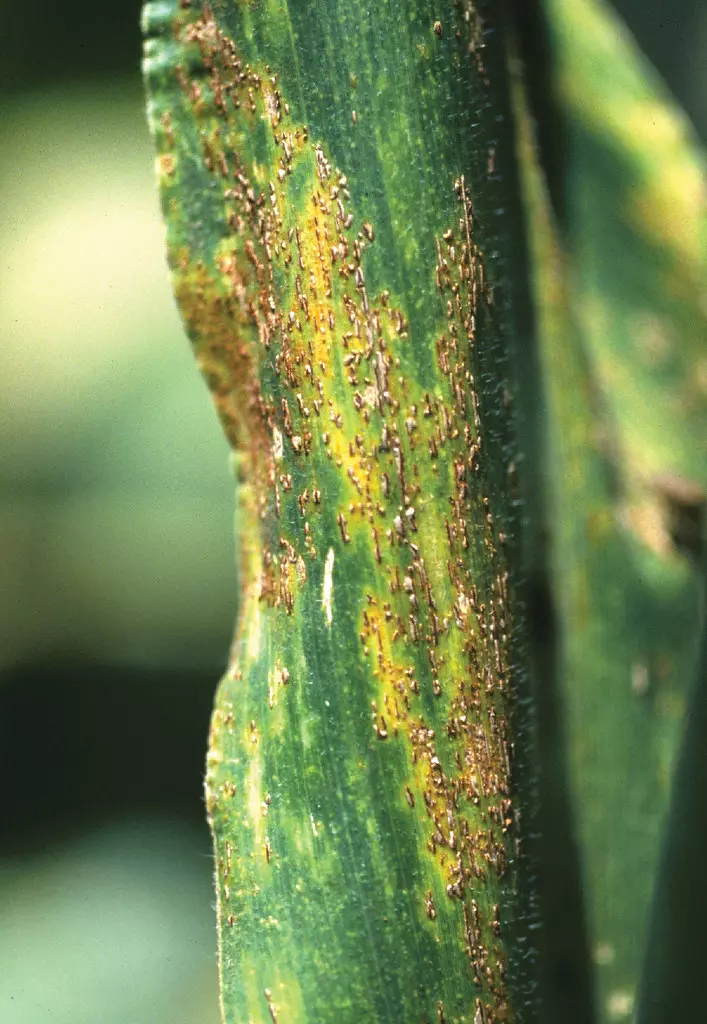
Diseases
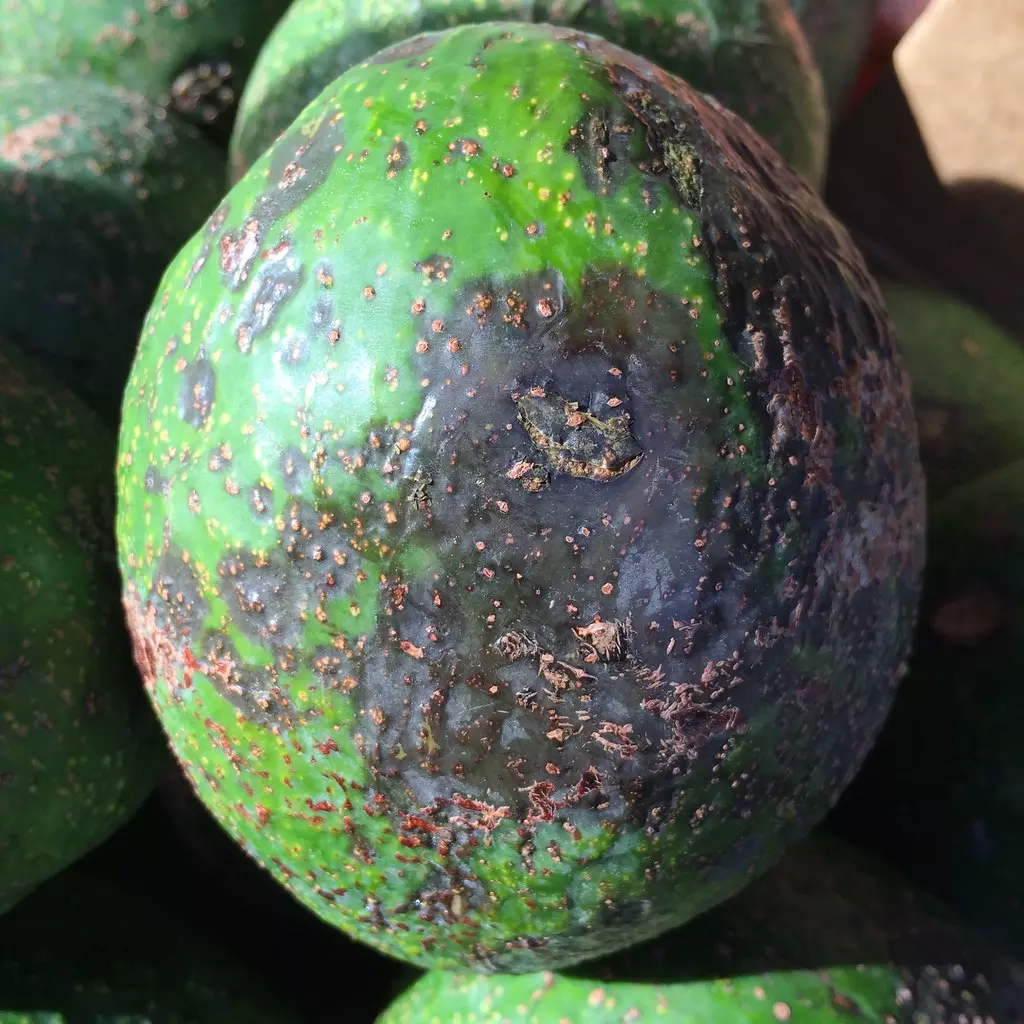
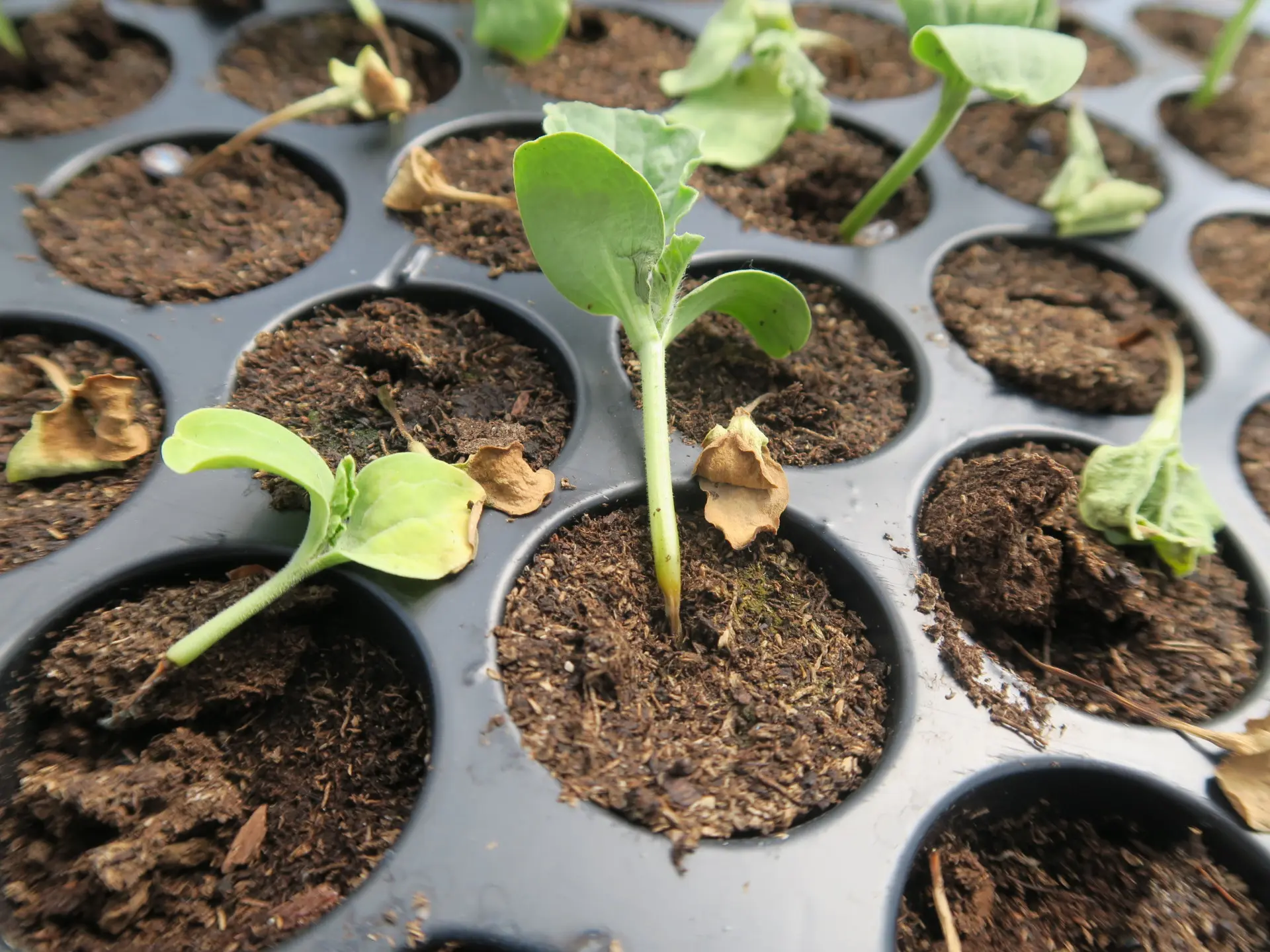
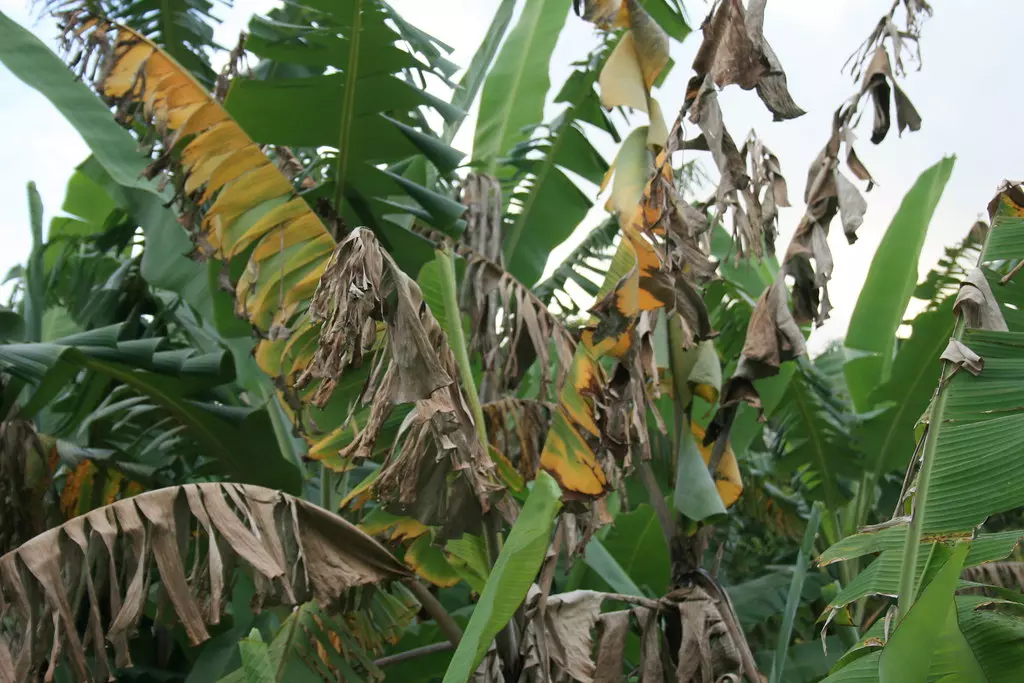
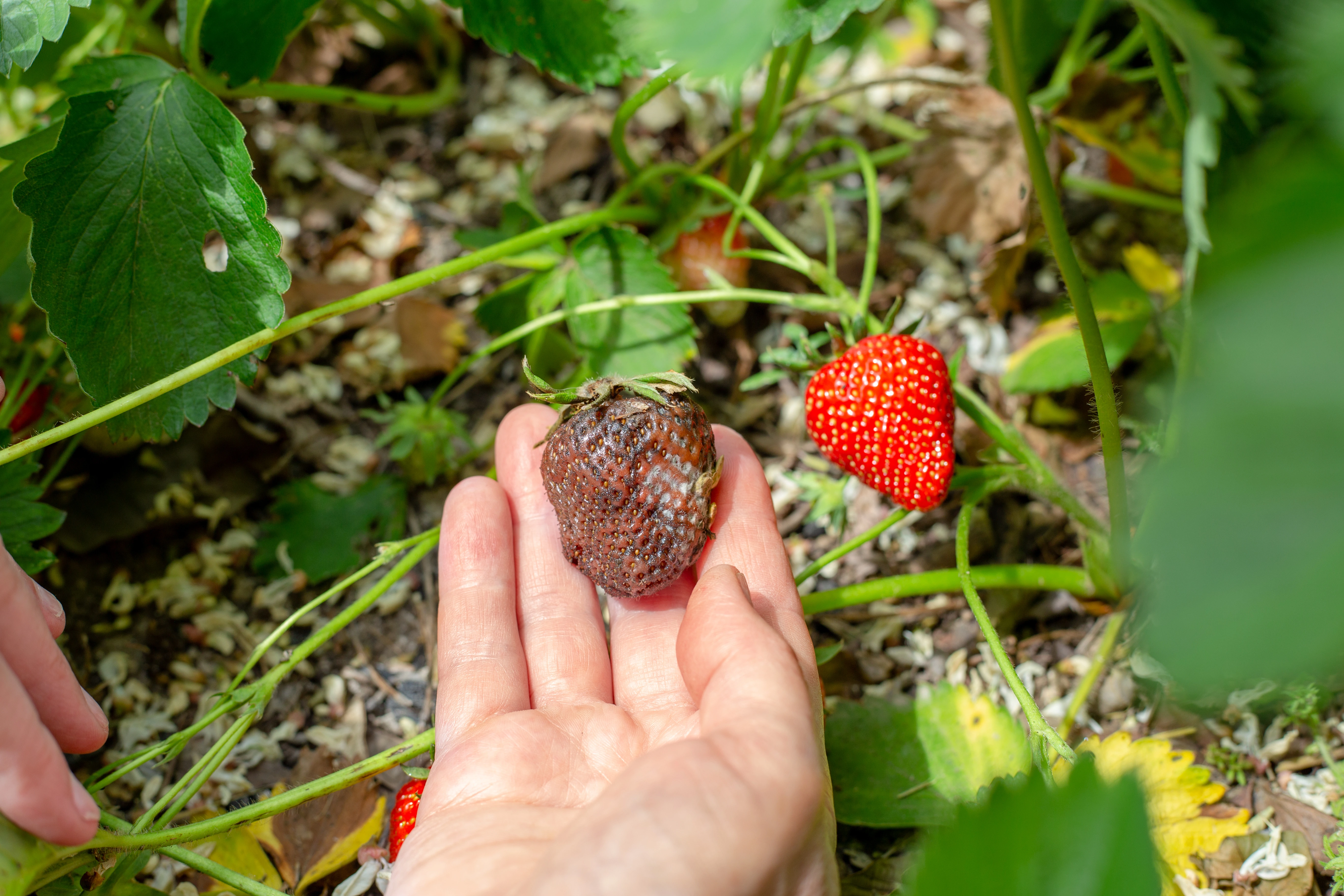
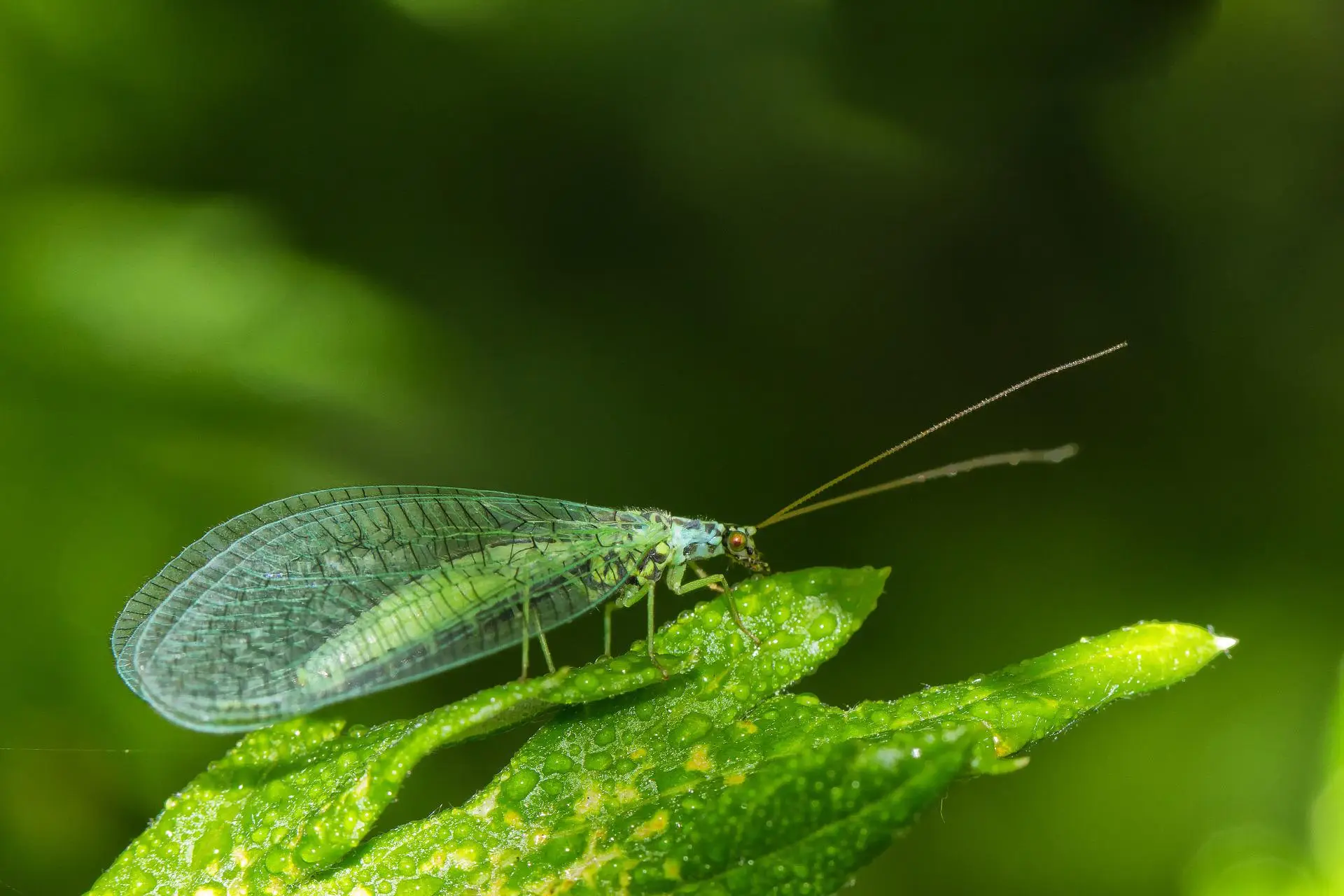
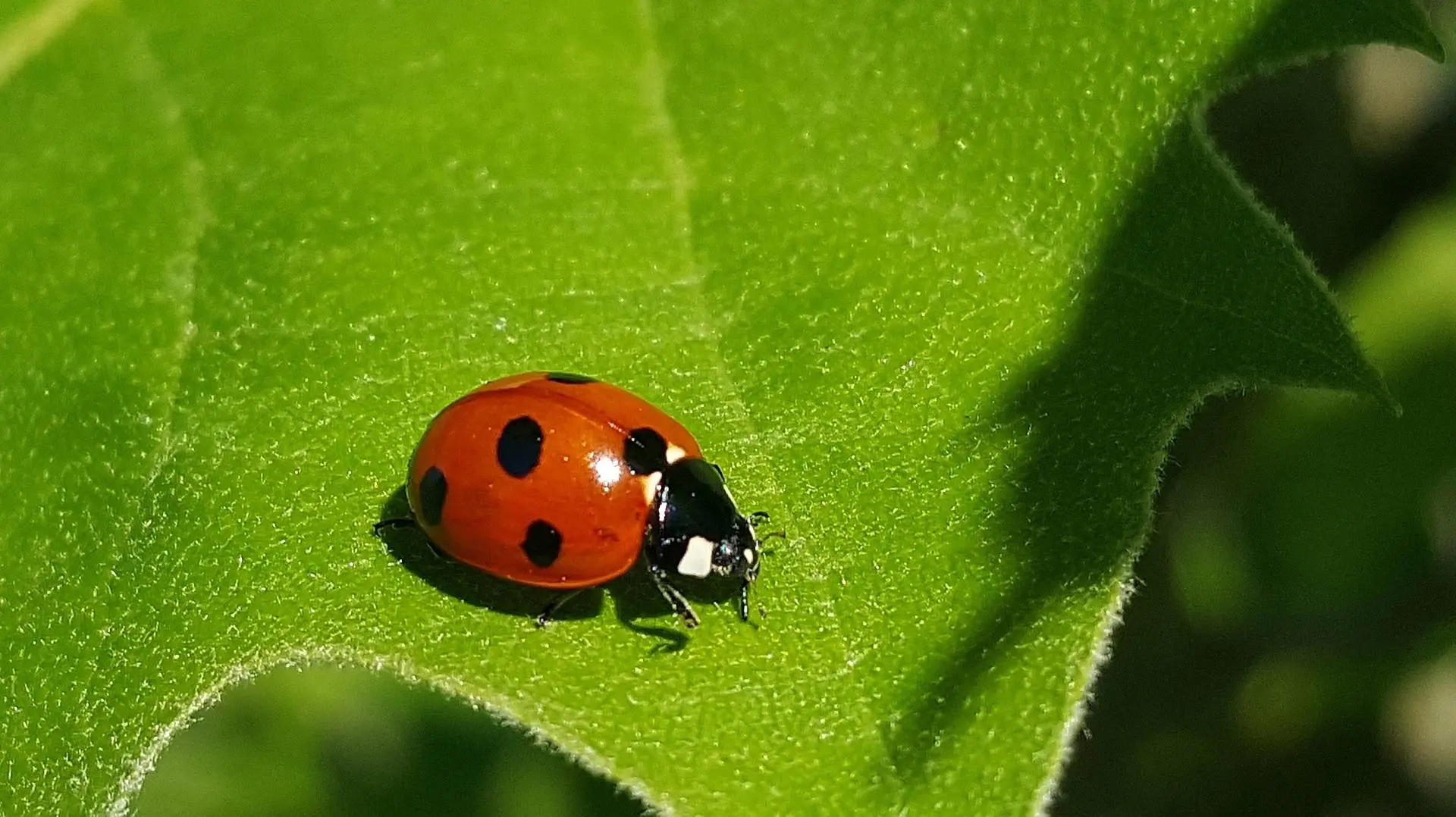
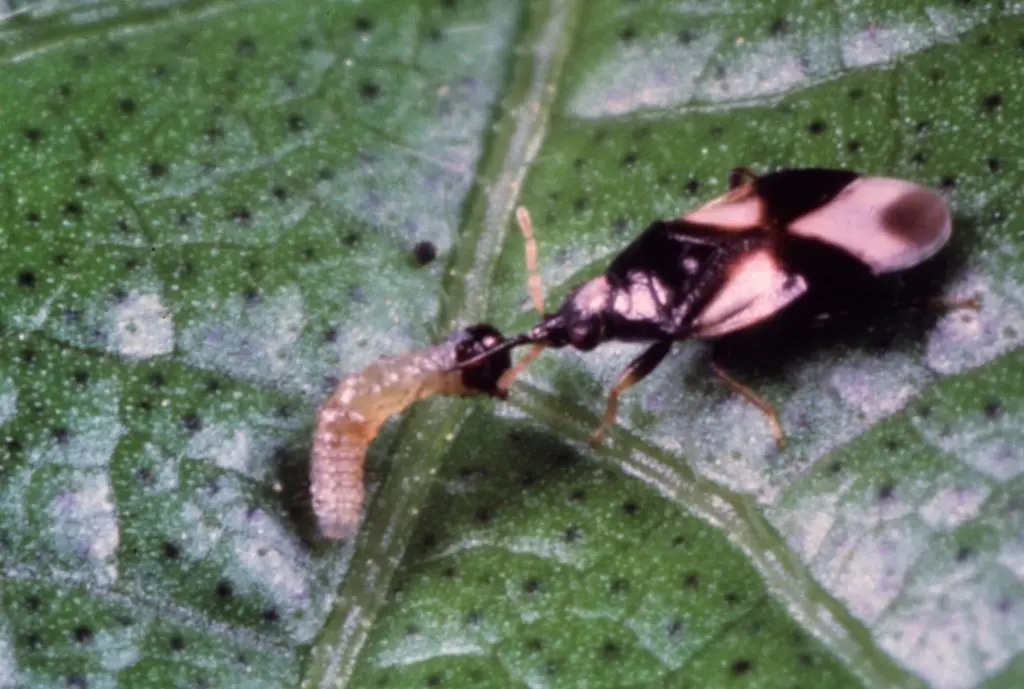
Beneficial Critters
Growing from Seed
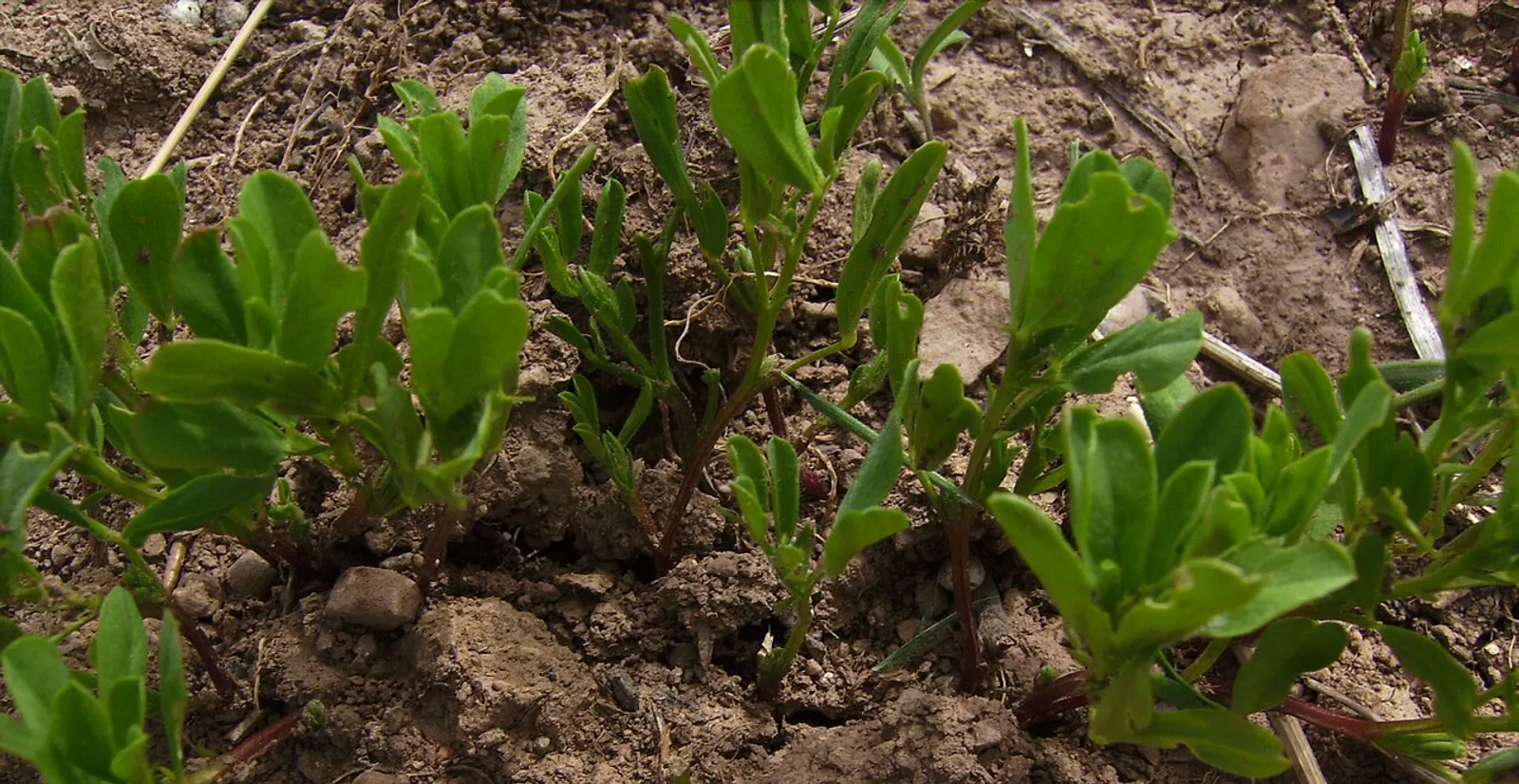
Lentils should be sown in spring as soon as the soil is workable (i.e., not frozen and not too wet); they prefer to grow in cooler conditions.
It is usually recommended to sow lentils directly outdoors, but it is possible to start lentils indoors to get a jump start on the season. Keep the seed starting mix consistently moist, and use grow lights to provide supplemental light as soon as the seeds germinate.
To sow lentils outdoors, loosen compacted soil if needed then lightly tamp down the surface using a rake or your feet to prepare a flat, even seed bed. Seeds can be hand planted or for larger areas a push seeder can be used. In dry climates quinoa seed can be planted slightly deeper to help maintain soil moisture. Water the newly planted seed in well with a gentle spray nozzle to avoid jostling the seeds.
Planting Considerations
Lentils prefer drier conditions. High humidity and excess rainfall can reduce lentil yields. Do not plant lentils in areas that can become waterlogged.
Lentils can potentially be grown in containers but be sure the container mix is not overly fertile as this can cause lentils to struggle. The container should be at least 8-10" (20-25 cm) deep; ideally choose a large container so multiple lentil plants can be planted.
Feeding
Since lentils are legumes they can fix much of their own nitrogen. Working in compost at the time of planting may provide sufficient fertility. Excessive nitrogen can cause the plant to put energy into leaf growth at the expense of flower and seed formation.
If your soil test shows other deficiencies, amend it at the time of planting.
Harvesting
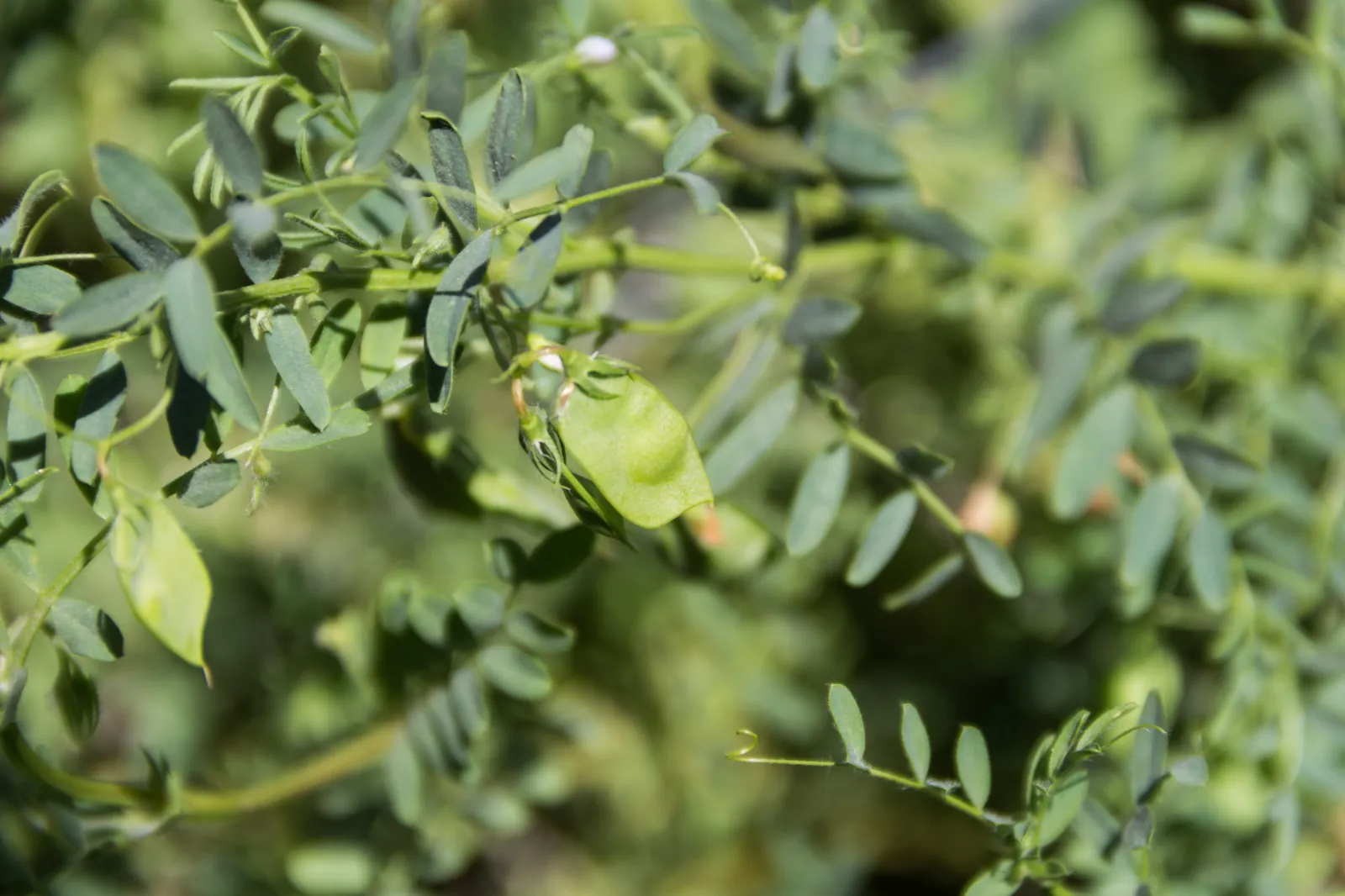
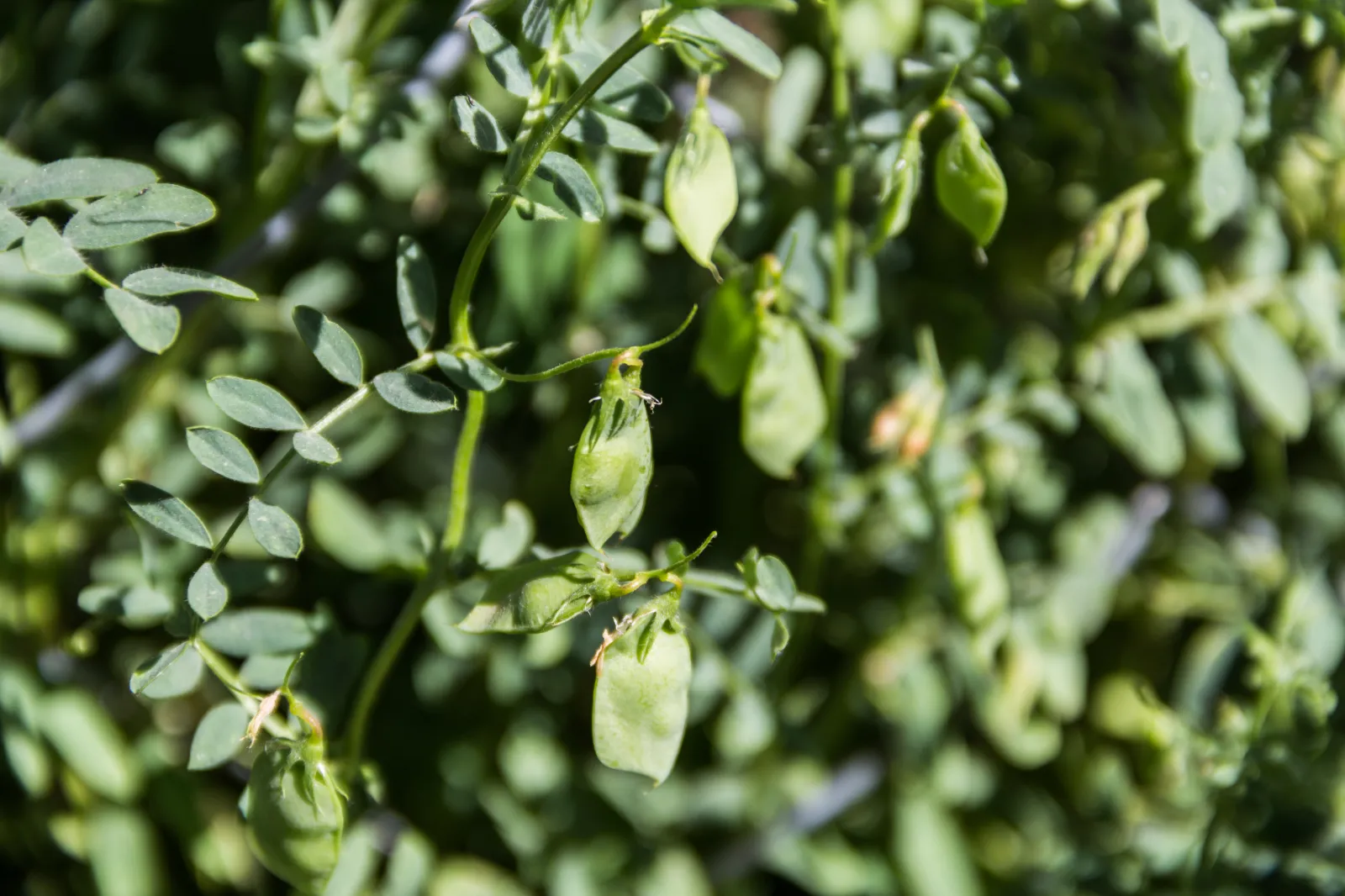
Lentil pods can be harvested while still green and the lentil inside can be shelled and eaten much like shelling peas.
Lentils for storage should be harvested when the plants start to yellow and the lower pods have started to dry out. As the plants reach maturity, taper off watering to encourage drying. Do not harvest lentils when the weather is rainy to avoid spoilage.
Cut the plant stems close to the ground with a knife or garden shears then place the plants in a sheltered, dry area to dry down completely. Be sure there is good airflow between the plants while they dry.
To thresh the lentil seeds (i.e., remove them from the stalks and break the pods) lay down a tarp to catch the seeds and either rub the seed heads by hand or beat them with a broom handle or other long piece of wood until the seeds come off and the pods are broken open.
Next the lentils need to be winnowed (i.e., seeds need to be separated from the remaining chaff).
To winnow the seed either use a fan or work outside on a breezy day. Slowly pour out the seed in front of the fan into a large catchment container. The fan needs to be strong enough to blow away the lighter chaff but not so strong that the seed is being blown away. This will need to be repeated several times to get seed that is relatively free of chaff.
Storage
Fully dried, whole lentils can be stored in airtight containers in a cool, dark, dry place for up to several months or even years. Be sure to choose a storage location and container that is insect and rodent proof. It is not recommended to store lentil seeds in the fridge.