Plum
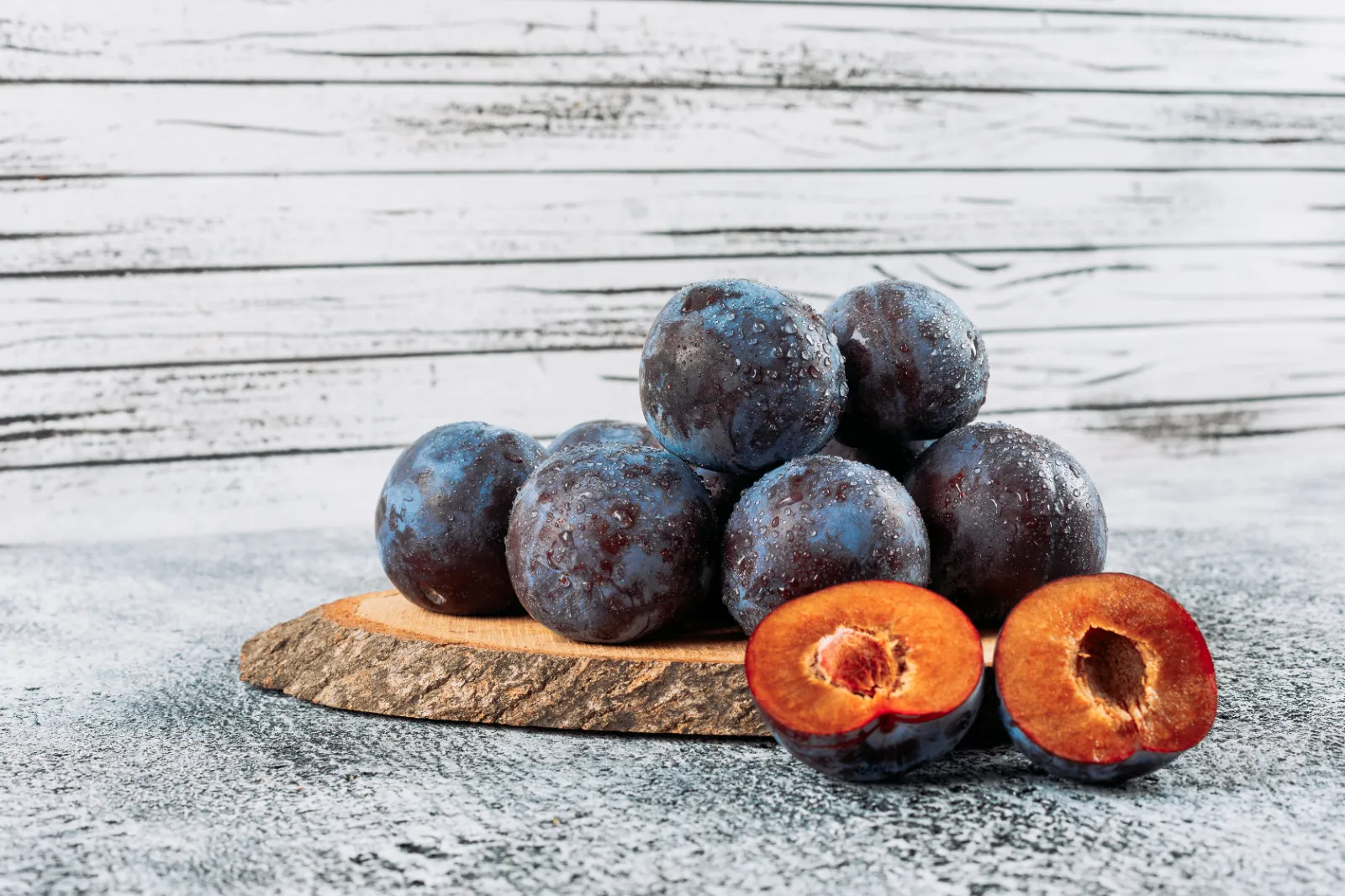
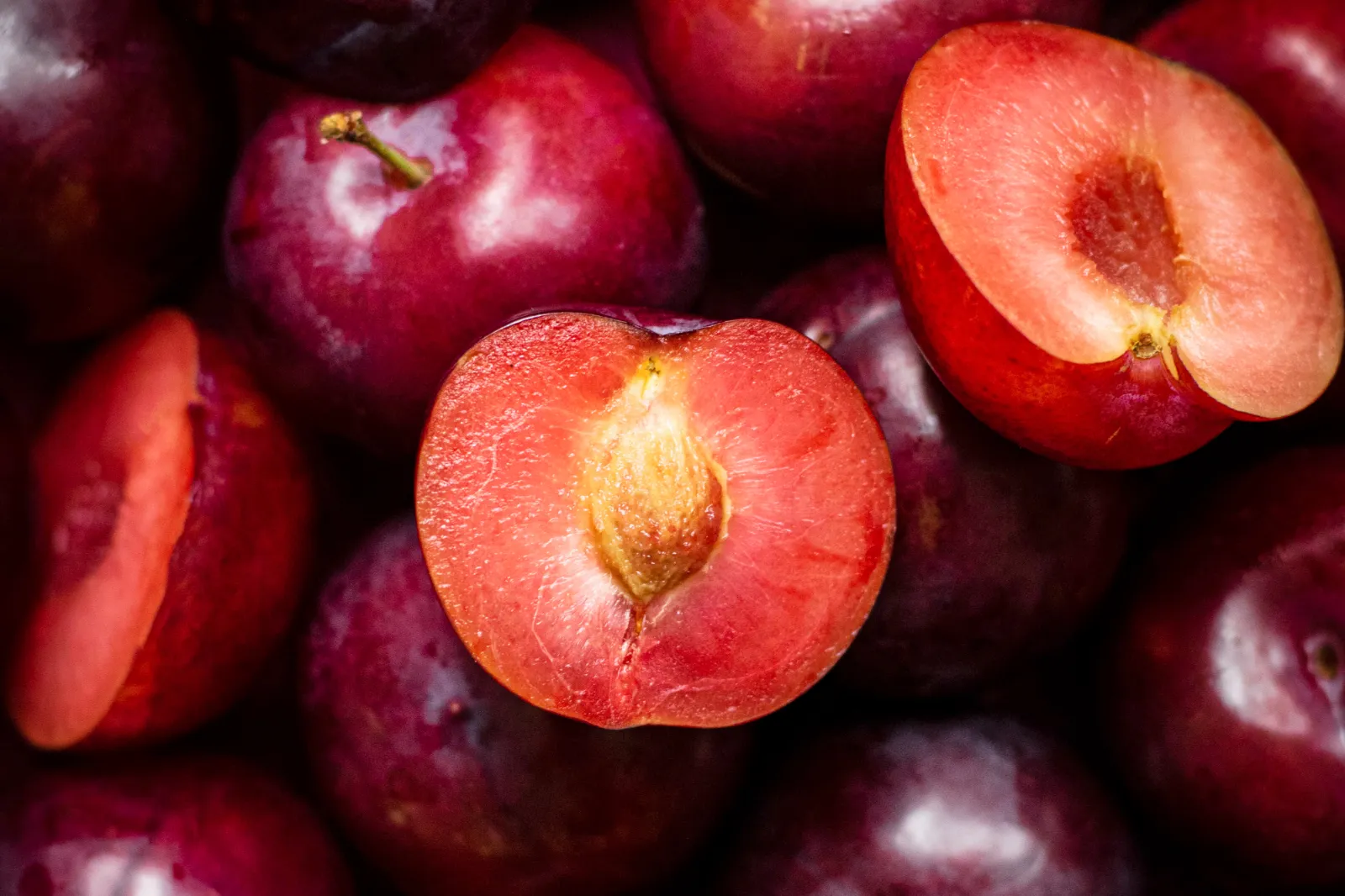
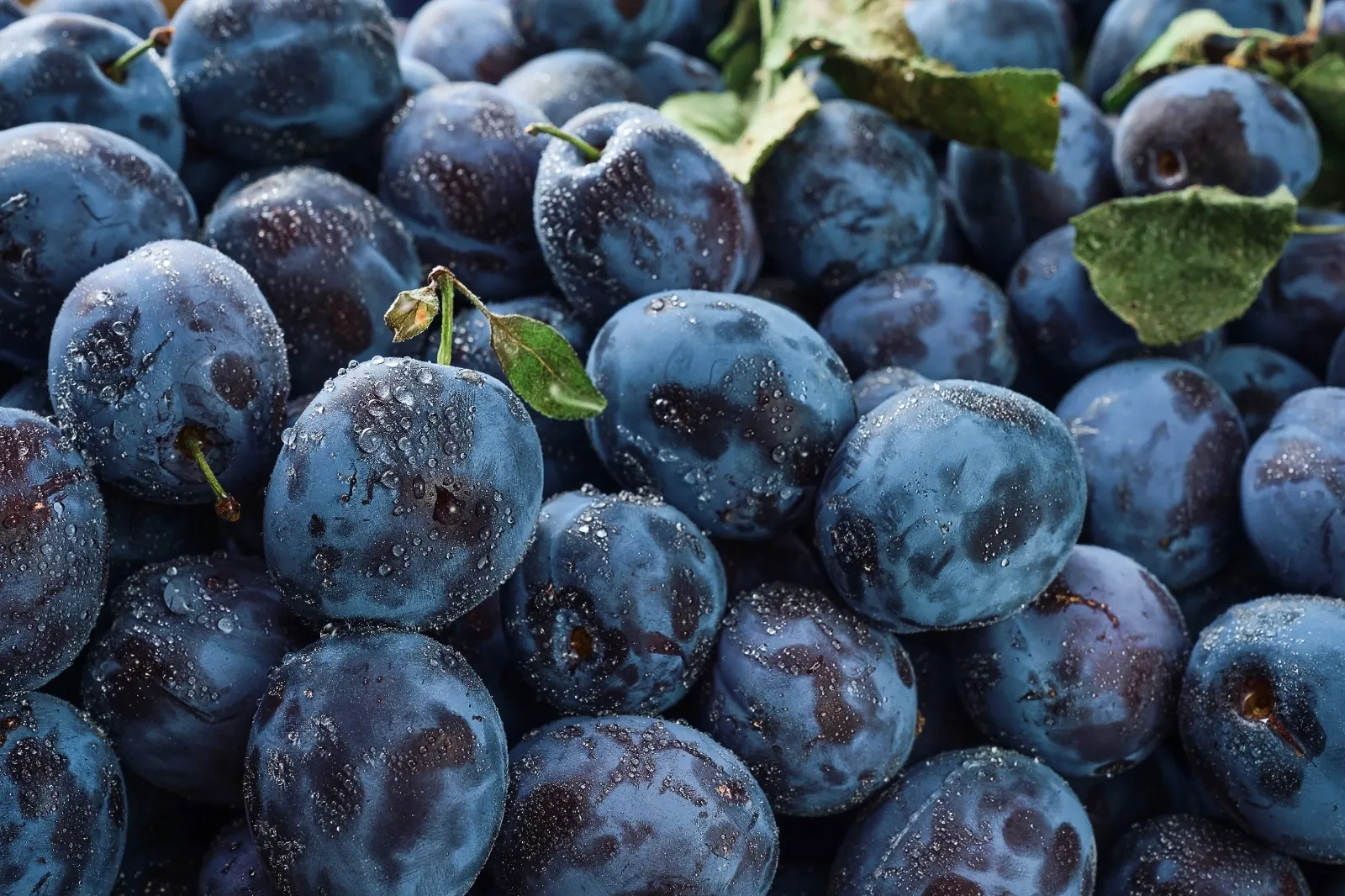
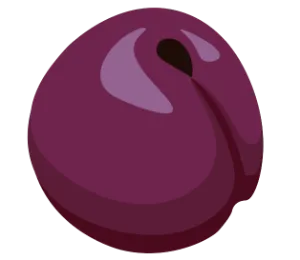
Plums are wonderful as fresh snacks, and also make for a great inclusion in jams or jellies! There’s three main groups of Plums: European, which are self fruiting; Japanese, which are usually softer and juicier; and Damson, which are more tart!
How to Grow Plum
Quick Info

Put away the pen and paper
Plan your veggie garden in minutes with Planter's easy drag and drop planner.
Try Planter for Free
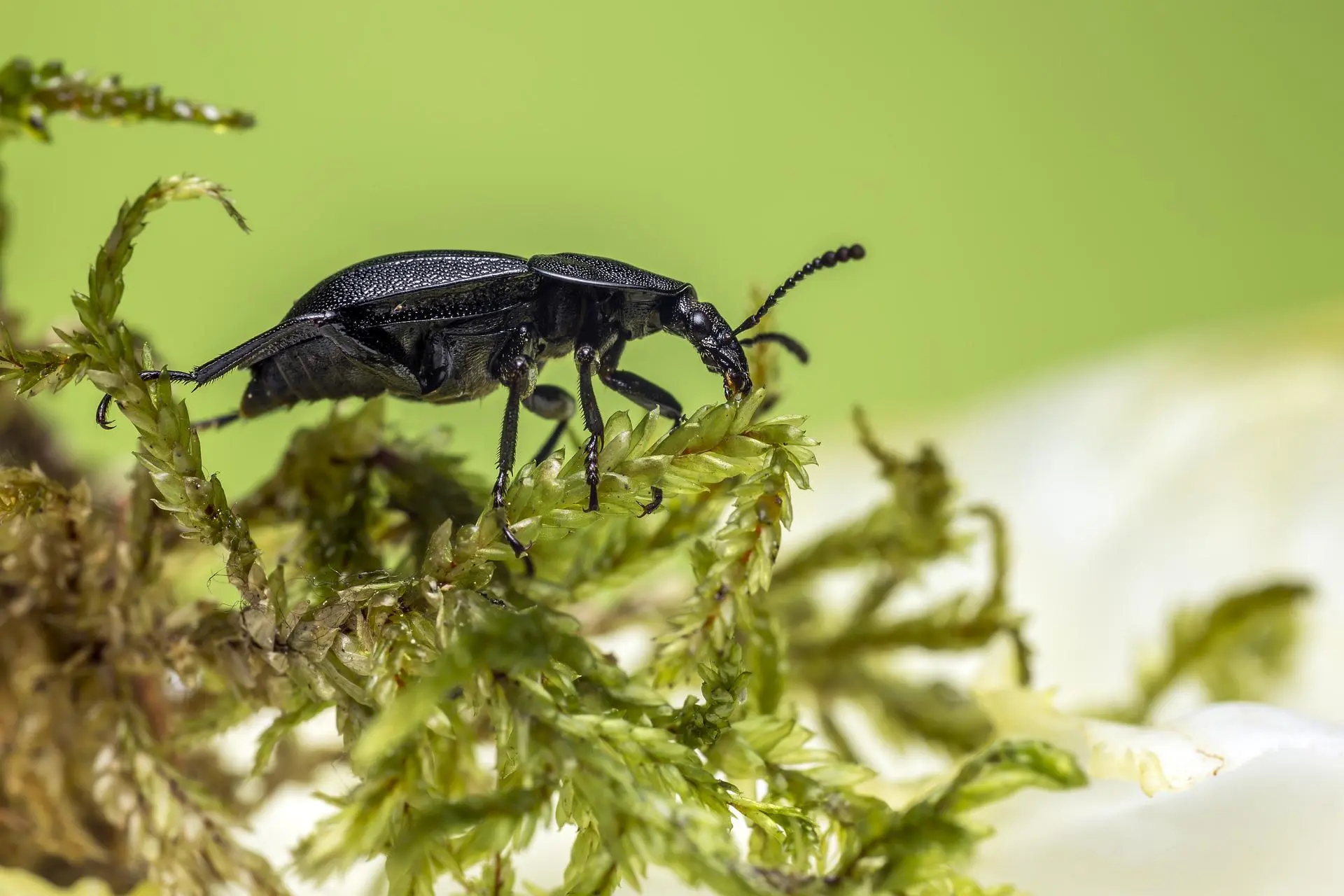
Pests
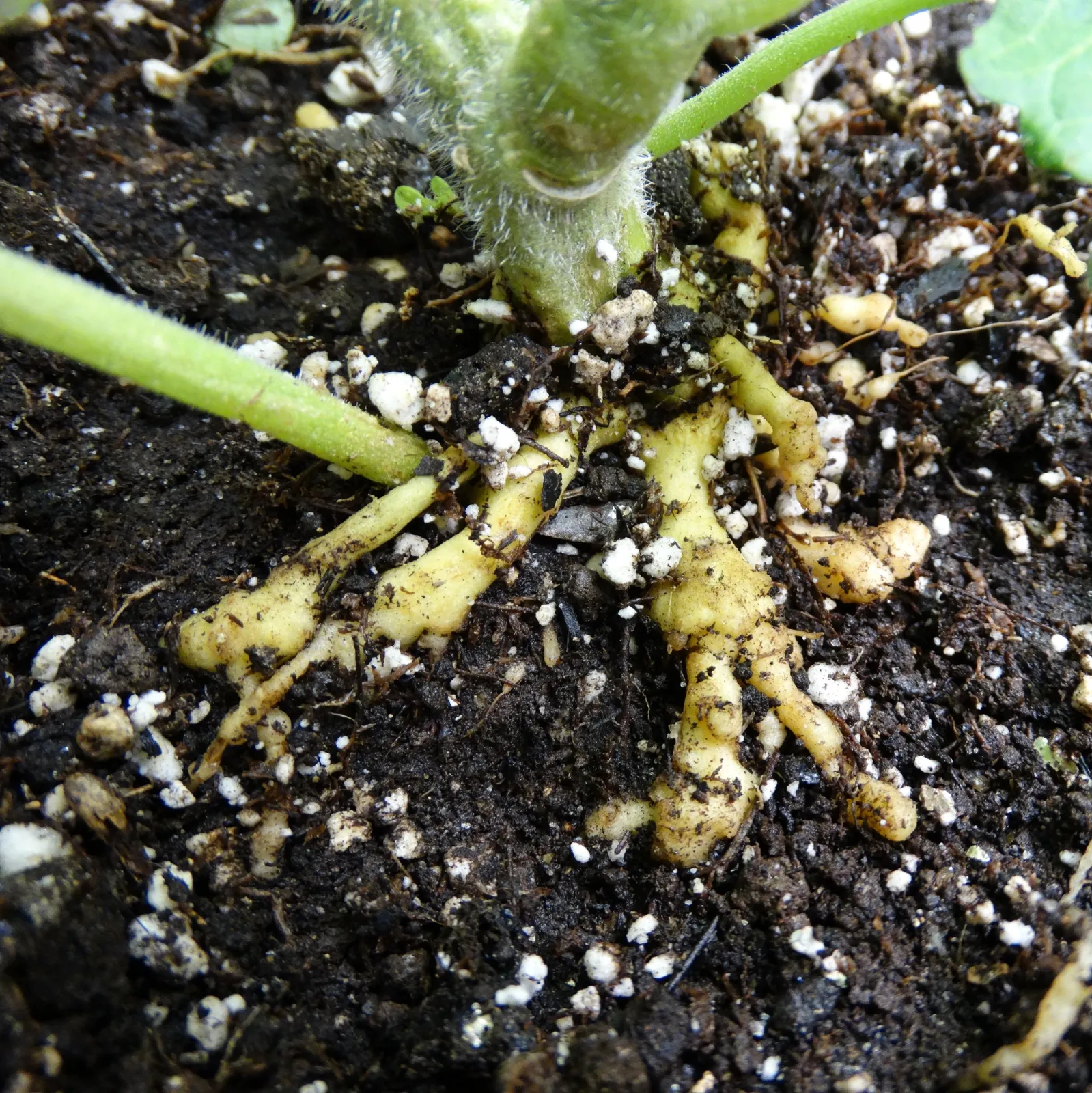
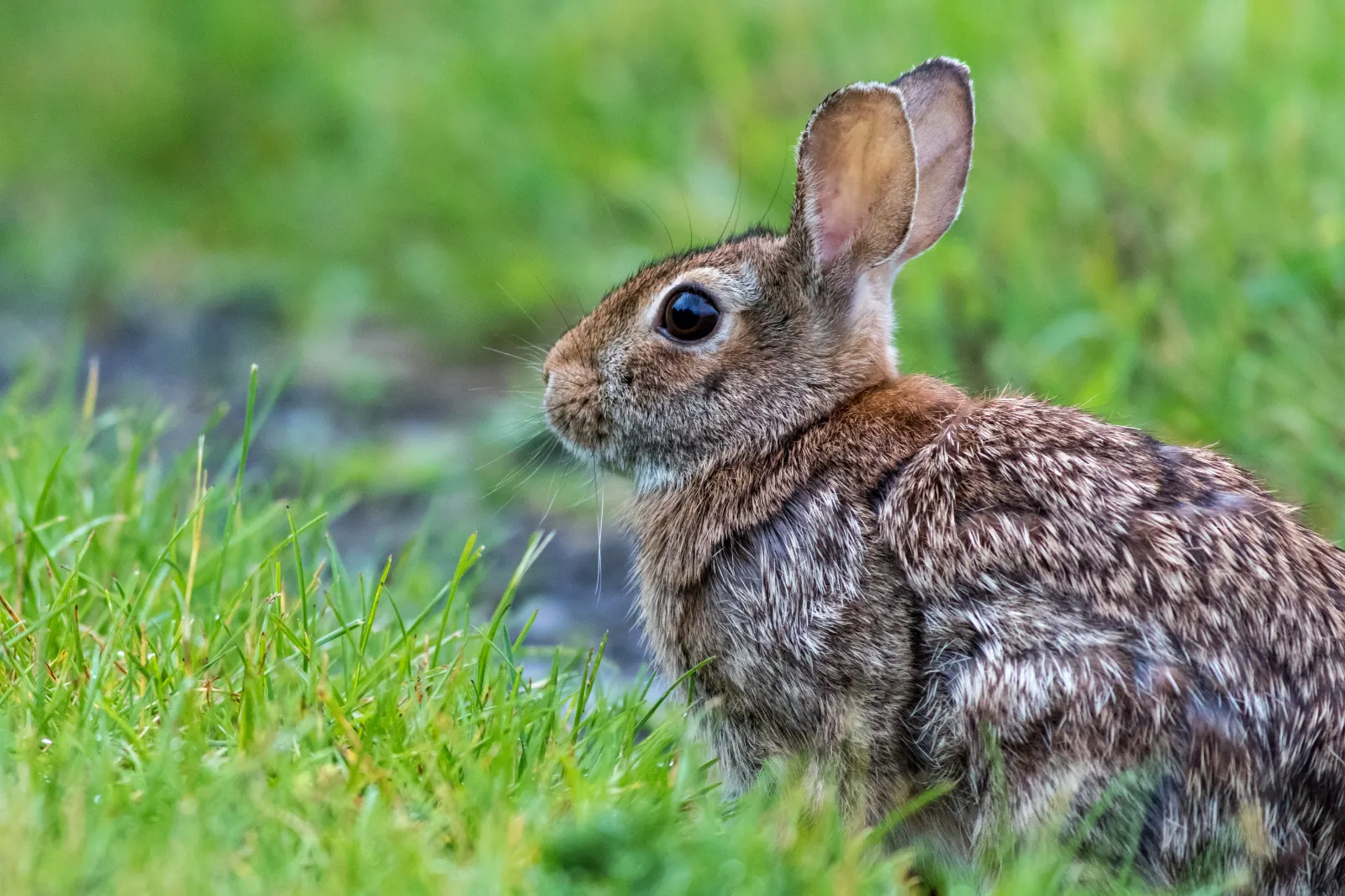
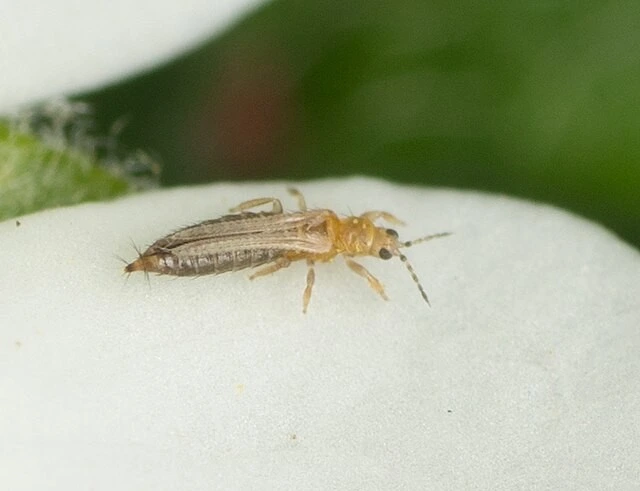
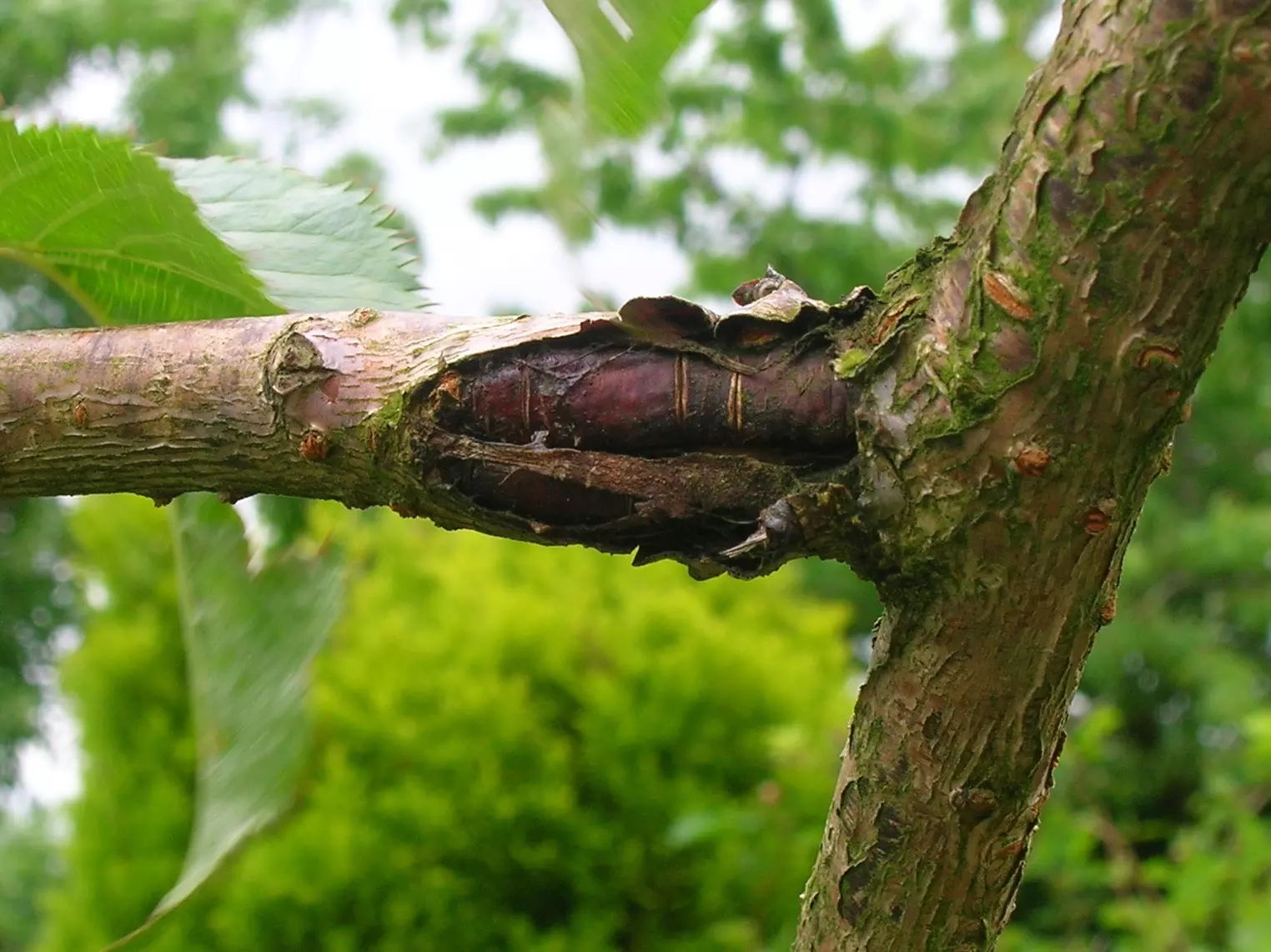
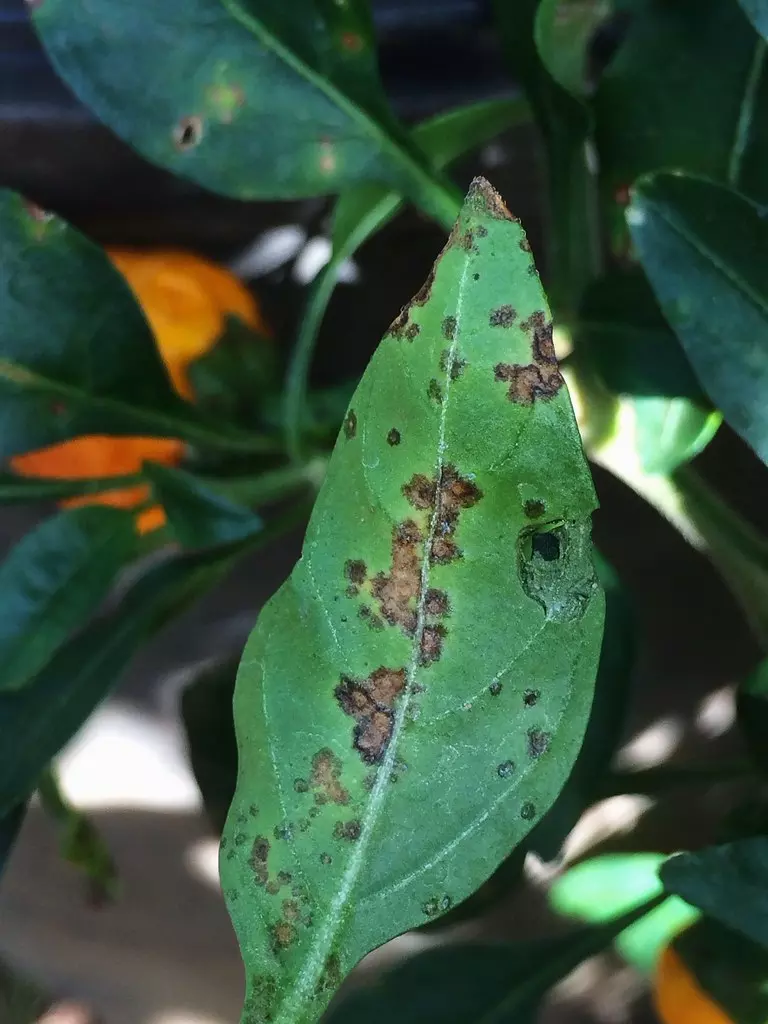
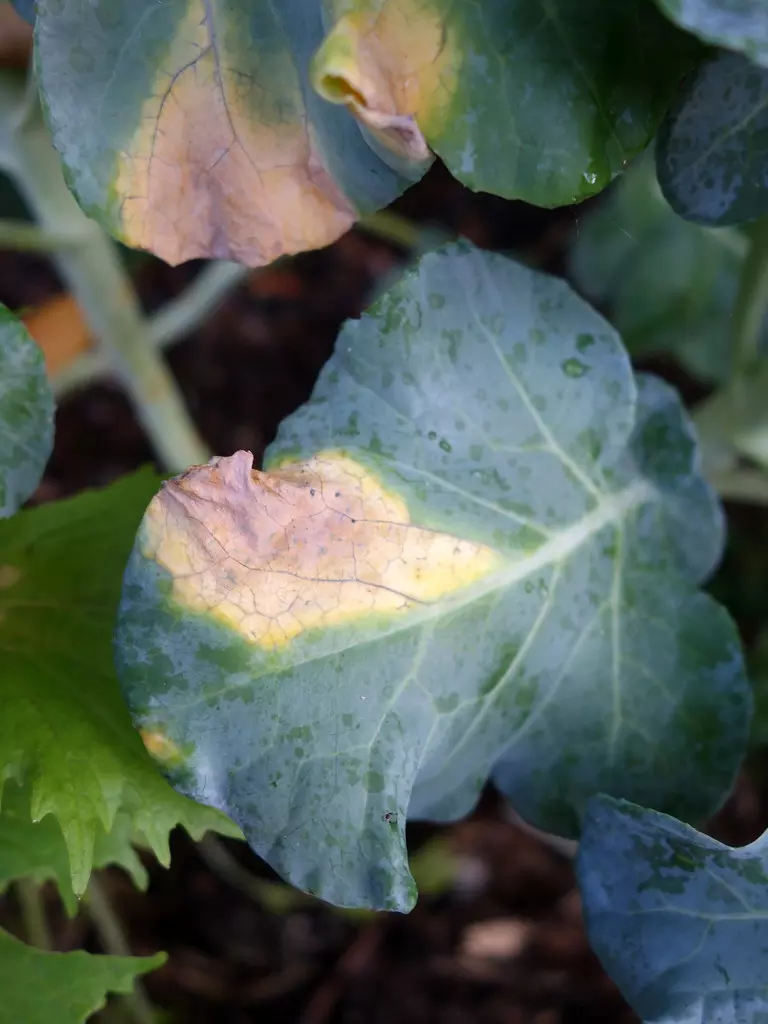
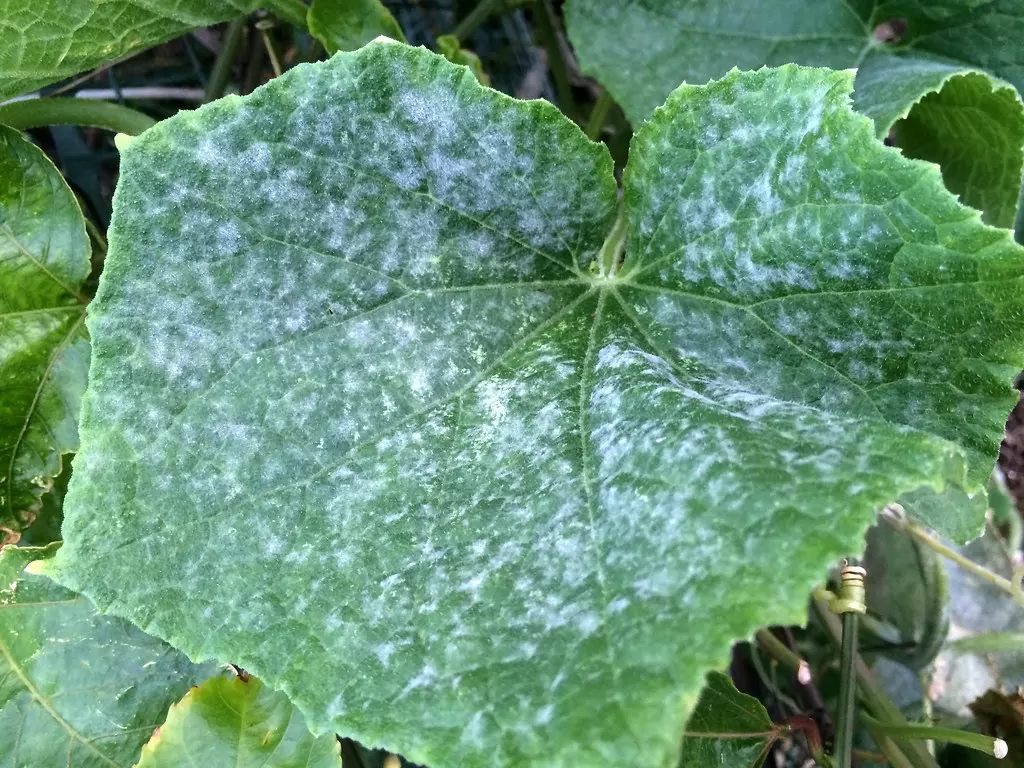
Diseases
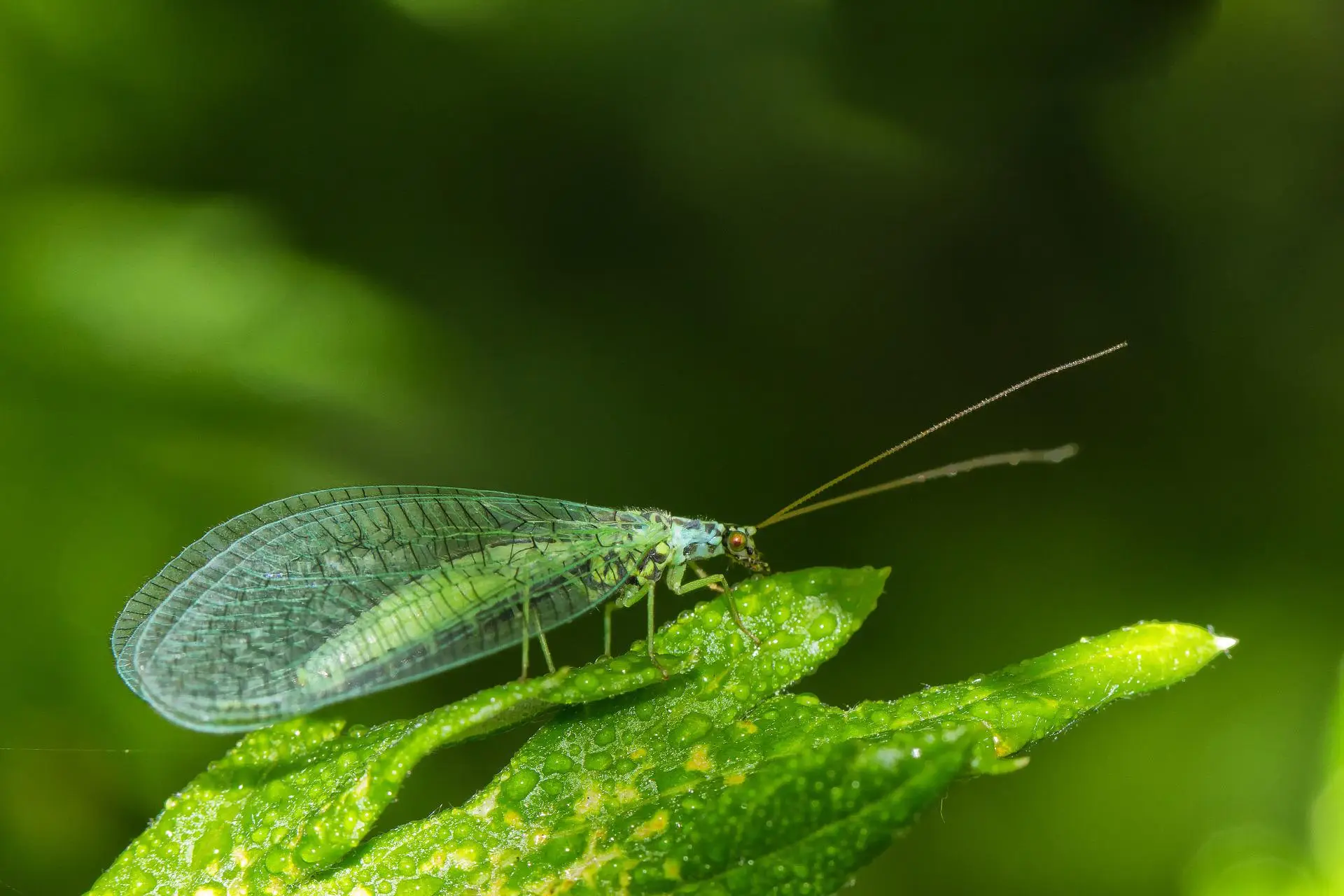
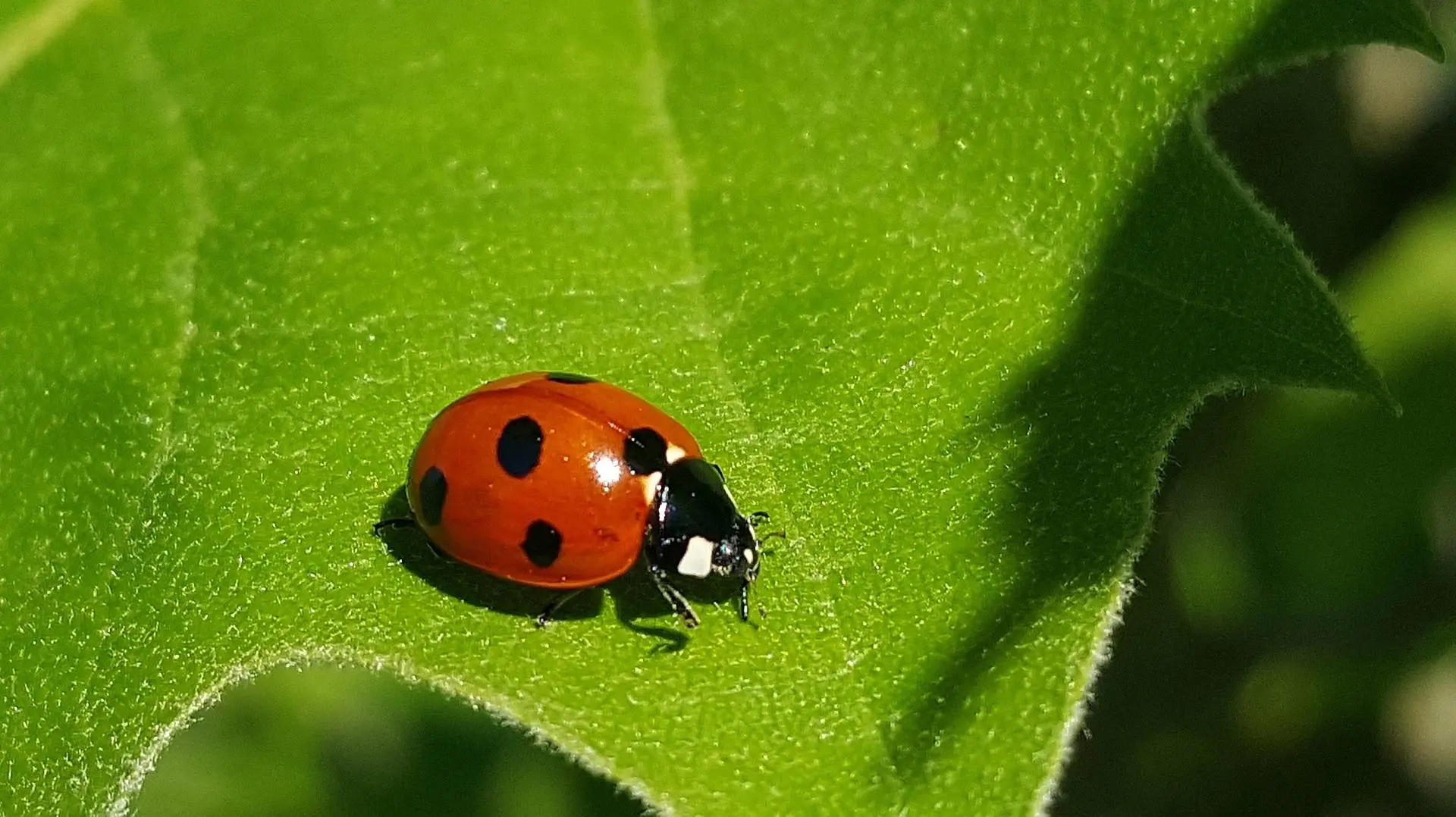
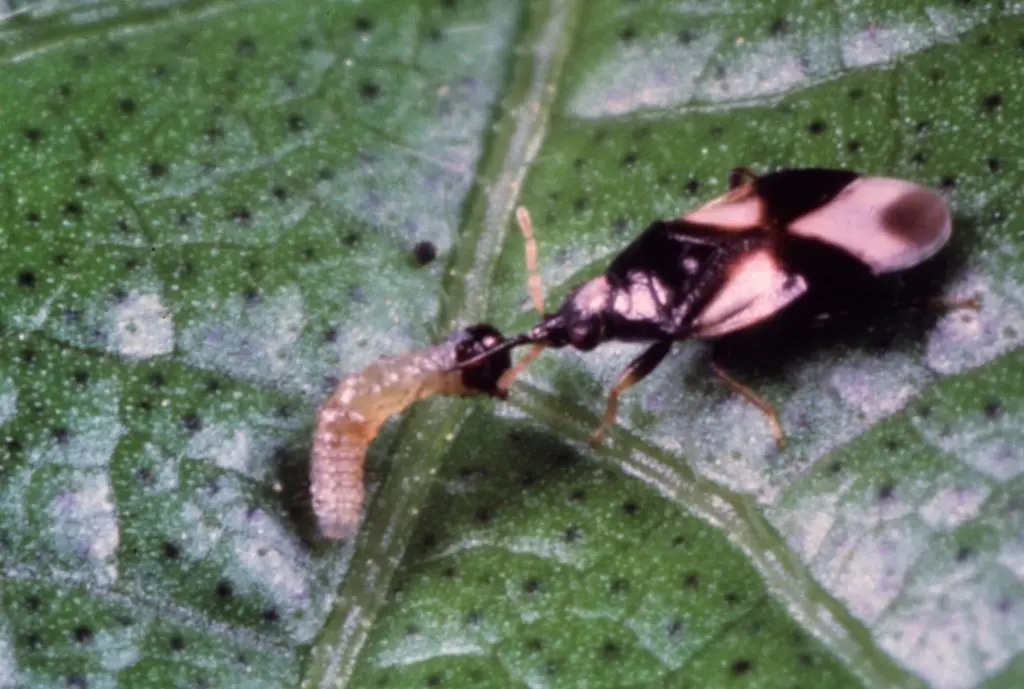
Beneficial Critters
Growing from Seed
Plums are not typically grown from seed.
Planting Considerations
Not all plum trees are self-fertile, so be aware of this in case you will need to plant 2 trees.
Feeding
Fertilize once per year, early in the growing season. Don’t fertilize after fruit production begins, because the fertilizer will promote growth of other parts of the tree.
Harvesting
Around 5 weeks after the tree blooms, thin out the fruit so that there are higher quality fruits to harvest. There should be a couple of inches between fruits once you’re done!
Storage
Plums don’t stay fresh long after harvesting; you can refrigerate them for about a week. Japanese plums are so soft that they tend to be eaten fresh, but European plums are firmer and can be easily preserved in a jelly or canned!
Pruning
Pruning is important to keep your tree healthy and producing fruit. Prune your young trees in early spring, or adult trees in midsummer.